









¿Sigue siendo relevante el polímero de litio para dispositivos compactos?
Release time: 2026-07-14
Tabla de contenido
In an era where technology is relentlessly shrinking, the demand for highly efficient, extremely safe, and adaptable power sources has never been higher. From ultra-thin smartwatches and fitness trackers to complex medical implants and sleek Internet of Things (IoT) sensors, the hardware landscape is defined by miniaturization. As engineers and product designers push the boundaries of what is physically possible, a critical question frequently emerges in research and development departments worldwide: in the face of emerging technologies like solid-state power and advanced graphene supercapacitors, what is the current standing of legacy architectures? Specifically, when discussing modern energy storage, the lithium polymer battery often finds itself at the center of this pivotal debate.
This comprehensive analysis explores the chemical underpinnings, physical advantages, market dynamics, and future trajectory of polymer-based energy storage to determine its ongoing relevance in the highly competitive market of miniaturized electronics.
The Evolution of Miniaturized Electronics
To understand the power requirements of today, we must look at how compact electronics have evolved over the last decade. Early mobile phones and portable media players were constrained by the rigid, bulky cylindrical cells (like the ubiquitous 18650) or hard-cased prismatic lithium-ion batteries. These power sources dictated the physical dimensions of the hardware. The device had to be built around the battery.
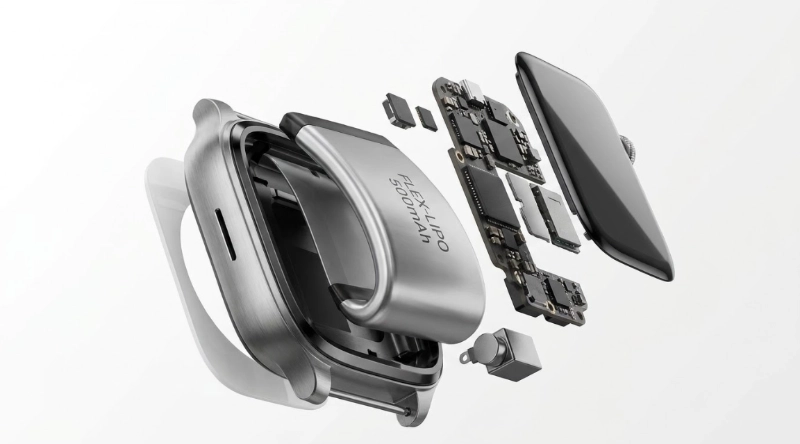
Today, the paradigm has entirely shifted. The design comes first. Industrial designers sketch ultra-thin laptops, curved wearable displays, and ergonomically contoured wireless earbuds. The internal components, particularly the energy storage unit, must conform to these aesthetic and ergonomic visions. This shift in design philosophy created a massive void in the component market—a void that necessitated a shift away from liquid electrolytes and rigid metal casings.
Understanding the Polymer Advantage
The fundamental difference between traditional lithium-ion and its polymer counterpart lies in the electrolyte. Traditional cells use a liquid electrolyte, necessitating a rigid, robust metal casing to prevent leaks and manage internal pressure. This limits the shape to standard cylinders or thick rectangles.
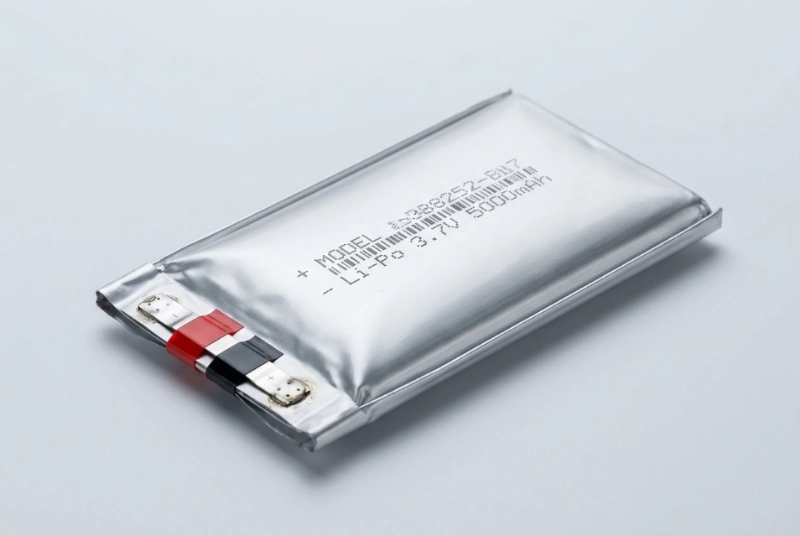
Conversely, polymer technology utilizes a solid or gel-like polymer electrolyte. This subtle chemical distinction yields massive physical ramifications. Because the gel does not leak in the same manner as a liquid, it does not require a heavy protective metal shell. Instead, the cells are packaged in a lightweight, flexible foil pouch (often referred to as a “pouch cell”).
Unmatched Form Factor Customization
El pouch cell architecture is the primary reason this technology revolutionized the portable electronics industry. Manufacturers can produce these cells in almost any footprint, thickness, or geometric shape. Whether a product requires a battery that is only a millimeter thick to fit behind an OLED screen, or a curved battery to wrap around the band of a smartwatch, the pouch architecture delivers. This makes it an incredibly flexible battery option for designers who refuse to compromise their aerodynamic or ergonomic hardware designs.
Weight Reduction
For drones, remote-controlled aircraft, and wearable technology, every single gram matters. The absence of a steel or aluminum casing significantly reduces the overall weight of the energy unit, resulting in a higher energy-to-weight ratio (gravimetric energy density). In aviation-based compact tech, this translates directly to increased flight times and better maneuverability.
Comparative Analysis: Energy Storage Technologies
To objectively evaluate its current relevance, we must compare polymer tech against its primary competitors in the compact device space.
| Feature / Technology | Traditional Lithium-Ion (Li-ion) | Lithium Polymer (LiPo) | Emerging Solid-State |
|---|---|---|---|
| Tipo de electrolito | Liquid solvent | Gel-like polymer | Solid material (ceramic/glass) |
| Casing / Packaging | Rigid cylindrical or prismatic metal | Flexible foil pouch | Variable (often thin-film) |
| Form Factor Flexibility | Very Low (standardized sizes) | Extremely High (custom shapes) | High (but currently hard to scale) |
| Energy Density (Volumetric) | Alto | De moderado a alto | Very High (Theoretical) |
| Perfil de seguridad | Prone to thermal runaway if punctured | Safer from leaks, but can swell/puff | Extremely safe, non-flammable |
| Cost of Production | Low (highly mature supply chain) | Moderado | Very High (still in development) |
| Discharge Rate | Estándar | Very High (ideal for drones/motors) | De moderado a alto |
As the table illustrates, while standard Li-ion wins on raw cost and solid-state promises future safety, polymer occupies the perfect middle ground for custom, lightweight hardware today.
Key Industries Driving Ongoing Demand
Several massive sectors continue to rely heavily on this architecture, proving that the technology is far from obsolete.
1. Wearable Technology and Smart Jewelry
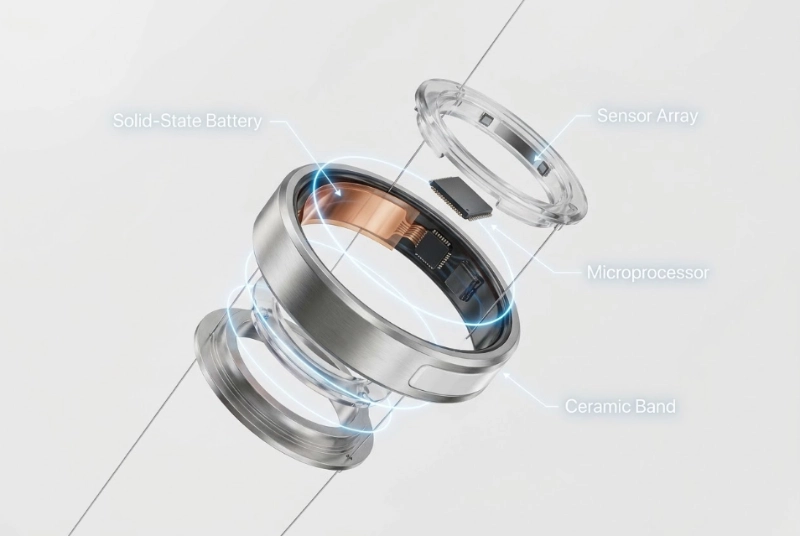
The wearables market—encompassing smartwatches, fitness bands, AR glasses, and smart rings—is the most obvious champion of this technology. These products have zero tolerance for bulky, rigid components. Choosing a LiPo battery for devices in this category allows brands to maintain sleek profiles while still packing enough milliamp-hours (mAh) to sustain a device for days. The ability to mold the power source to fit the curve of a human wrist is an irreplaceable advantage.
2. The Internet of Things (IoT) and Smart Home Sensors
As our homes and factories become increasingly connected, the demand for localized, wireless power is exploding. Remote temperature sensors, wireless security cameras, and smart door locks require energy sources that can be hidden within small, unobtrusive housings. When creating a standalone sensor node, engineers require a solución de batería compacta that doesn’t compromise the aesthetic of a modern living room while delivering consistent voltage over a long lifespan.
3. Healthcare and Medical Wearables
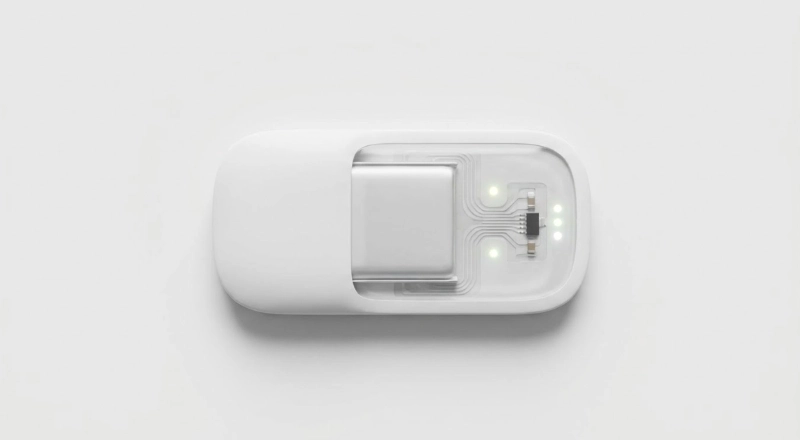
The medical industry is undergoing a digital transformation. Continuous Glucose Monitors (CGMs), smart ECG patches, and wearable drug delivery systems are replacing bulky hospital equipment. These devices attach directly to the patient’s skin and must be lightweight, unobtrusive, and extremely reliable. The soft-pack nature of polymer cells is ideal here, providing the necessary power without causing discomfort to the patient.
4. Unmanned Aerial Vehicles (Drones)
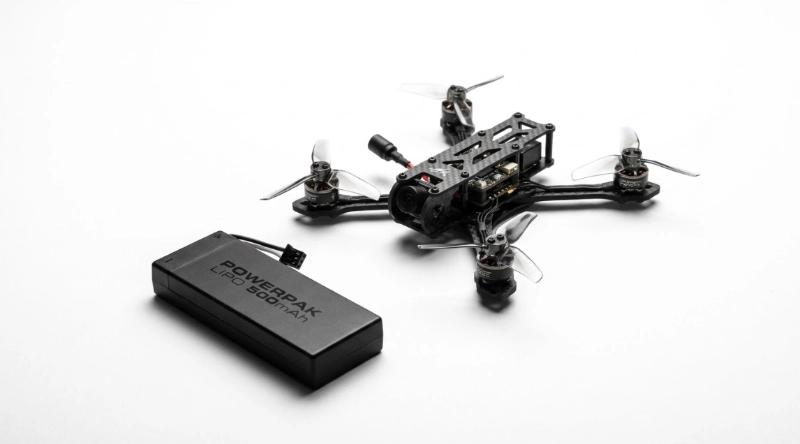
Micro-drones and compact cinematic drones rely exclusively on this chemistry. Beyond just weight savings, polymer cells are renowned for their exceptional discharge rates (C-ratings). A tiny racing drone requires massive, instantaneous bursts of energy to perform aggressive maneuvers. Only pouch-style polymer cells can safely deliver these high continuous discharge currents without immediate failure.
Addressing the Elephants in the Room: Swelling and Lifespan
Despite its widespread adoption, the technology is not without its critics. The most prominent issue associated with polymer cells is “swelling” or “puffing.”
When these cells are overcharged, deeply discharged, or exposed to excessive heat, the gel electrolyte can degrade and produce gas (primarily oxygen and carbon monoxide). Because the foil pouch is sealed, the gas gets trapped, causing the battery to expand like a balloon. In compact devices with tight internal tolerances, a swollen battery can crack screens, pop open casings, or, in rare and extreme cases, lead to a fire hazard.
Modern Mitigation Strategies
Is swelling still a dealbreaker? For modern manufacturers, the answer is mostly no. The industry has combated this issue through advanced Battery Management Systems (BMS). A modern BMS acts as a microscopic guardian, meticulously monitoring voltage levels, preventing overcharging, and regulating thermal output during fast-charging cycles.
Furthermore, sourcing a reliable LiPo battery for devices from Tier-1 manufacturers ensures stricter quality control, fewer microscopic impurities during manufacturing, and better chemical stability. By coupling high-quality cell manufacturing with intelligent software management, the risk of swelling in modern premium devices has been drastically reduced compared to a decade ago.
The Environmental Aspect and Sustainability
As the world shifts toward sustainable practices, the end-of-life management of electronics is under heavy scrutiny. Recycling a lithium polymer battery involves complex hydrometallurgical or pyrometallurgical processes to recover valuable metals like cobalt, nickel, and copper. While the soft pouch makes shredding slightly different from hard-cased cells, the recycling infrastructure is rapidly adapting. Companies focusing on ESG (Environmental, Social, and Governance) goals are finding that polymer cells, when properly managed through certified e-waste channels, fit within modern sustainability frameworks.
The Threat of Solid-State: A Reality Check
It is impossible to discuss the future of energy storage without addressing solid-state technology. Solid-state replaces the flammable gel/liquid electrolyte with a solid ceramic or glass material. This promises higher energy densities, complete immunity to thermal runaway, and ultra-fast charging times.
Many tech analysts prematurely declared that solid-state would render current architectures obsolete by 2025. However, the reality of mass manufacturing has proven otherwise. Solid-state technology is currently plagued by immense manufacturing costs, supply chain bottlenecks, and challenges in maintaining consistent performance across various temperatures.
While solid-state is undeniably the future, finding a heavily tested, flexible battery option right now means engineers must rely on what is available at scale. Polymer architecture benefits from decades of optimized production lines, economies of scale, and predictable reliability. Solid-state may dominate the 2030s, but for the remainder of this decade, polymer will remain the undisputed king of custom, thin-profile energy.
Engineering Advice: Choosing the Right Power Source
For hardware startups, product managers, and electronic engineers developing the next generation of portable tech, the decision matrix should be pragmatic.
If your device is heavily constrained by size and weight, demands a non-standard geometric shape, and requires moderate to high discharge rates, you are looking at polymer technology. When integrating this chemistry, prioritize the implementation of a robust BMS and design your hardware casing with a fractional tolerance (a small air gap) to accommodate the natural, minute expansion that occurs over thousands of charge cycles.
Conclusión
To return to our original question: is this technology still relevant? Absolutely. The drive towards smaller, thinner, and more ergonomic hardware has intrinsically linked the future of consumer electronics to pouch-cell architecture. It is not merely a legacy technology hanging on by a thread; it is the active enabler of the modern wearable and IoT revolutions. As a confiable solución de batería compacta, it bridges the gap between the rigid power sources of the past and the elusive solid-state promises of the future, powering our increasingly connected world with versatility and dependable performance.
Preguntas frecuentes
1. Why do some compact devices still use standard Li-ion instead of LiPo?
While LiPo offers superior flexibility and thinness, standard Li-ion (like rigid coin cells or small cylinders) is generally cheaper to manufacture and offers slightly higher energy density by volume. If a device is thick enough to accommodate a standard cylindrical battery and cost is the primary concern, manufacturers may opt for traditional Li-ion.
2. How can I prevent the battery in my compact device from swelling?
To maximize lifespan and prevent swelling, avoid exposing your device to extreme temperatures (like leaving it in a hot car). Furthermore, try not to let the battery drain completely to 0% on a regular basis, and avoid keeping it plugged in and actively charging 24/7. Modern devices have smart charging software, but maintaining a charge between 20% and 80% is generally best for battery chemistry health.
3. Will solid-state batteries replace LiPo in wearables soon?
While solid-state technology is the eventual successor due to its safety and density, it will not happen overnight. The current high manufacturing costs and scalability issues mean that solid-state will likely first appear in high-end electric vehicles and premium flagship devices. For standard wearables, drones, and IoT devices, LiPo will remain the dominant and most cost-effective choice for at least the next 5 to 7 years.