









Why Do Energy Storage Systems Prioritize Cycle Life and Safety Above All Else
Release time: 2026-08-05
Table des matières
In the rapidly evolving landscape of global renewable energy, the transition from fossil fuels to clean power relies heavily on our ability to capture, hold, and deploy electricity on demand. Intermittent power sources like solar and wind cannot function as baseload power without massive, highly efficient buffering infrastructures. While consumer electronics heavily emphasize charging speed and extreme energy density to keep devices lightweight, the priorities shift dramatically when scaling up to commercial, industrial, or utility levels. For these massive installations, two metrics overwhelmingly dictate project viability: longevity and operational security.
Understanding why these specific attributes outrank initial purchase price or compactness requires a deep dive into the economics, physics, and daily realities of grid-scale power management. This comprehensive guide explores the foundational logic of power backup assets, evaluates mainstream chemical solutions, and provides actionable frameworks for project developers and investors.
1. The Fundamental Operational Logic of Power Backups
To grasp why certain metrics are prioritized, one must first understand the fundamental usage logic of modern power infrastructure. Unlike a smartphone or a laptop—which is typically discarded or upgraded every two to three years—a commercial power installation is not a disposable commodity. It is a long-term asset.
When utility companies, manufacturing plants, or commercial campuses invest millions of dollars into battery networks, they are building infrastructure designed to operate continuously for 10 to 20 years. These installations are deeply integrated into the local grid, featuring complex power conversion systems (PCS), energy management systems (EMS), and specialized climate control units.
Because these are multi-decade infrastructure investments, the total cost of ownership (TCO) becomes the primary financial lens. An installation that costs 20% less upfront but degrades twice as fast will ultimately result in catastrophic financial losses over a 15-year horizon. The logic of these installations is built entirely on consistent, daily cycling—often charging during off-peak solar hours and discharging during evening peak demand. In this grueling environment, durability and the ability to withstand thousands of operational rounds without severe degradation are the true markers of a successful deployment.
2. The Financial Gravity of Battery Longevity

The economic engine of any power retention project is directly tied to its durability. Cycle life—defined as the number of complete charge and discharge rounds a battery can undergo before its capacity falls below a specific threshold (usually 80% of its original rating)—is the most critical variable in determining the Levelized Cost of Storage (LCOS).
LCOS represents the per-unit cost of electricity discharged by the installation over its entire operational timeframe. If a battery bank costs $1,000,000 and survives 3,000 rounds, the cost per kilowatt-hour delivered is vastly higher than a similarly priced bank that survives 6,000 rounds.
When degradation occurs faster than anticipated, project developers face grim choices. They must either accept a reduced revenue stream (as the installation can hold and sell less electricity), or they must invest heavy capital into augmentation—adding new battery racks to the aging setup to bring the total capacity back to baseline. These augmentation procedures are incredibly expensive, requiring new inverters, complex software recalibration to balance old and new cells, and costly labor.
Ultimately, exceptional longevity directly translates to an optimized investment return. A battery chemistry that promises 8,000 to 10,000 rounds effectively guarantees that the initial capital expenditure will yield predictable, compounding financial yields for nearly two decades, drastically reducing the operation and maintenance (O&M) costs that typically plague short-lived technologies.
3. Why Hazard Mitigation is the Ultimate Dealbreaker
While economics dictate profitability, hazard prevention dictates project survival. In the realm of utility and commercial power, safety is not just a regulatory checkbox; it is the absolute baseline requirement for operation.
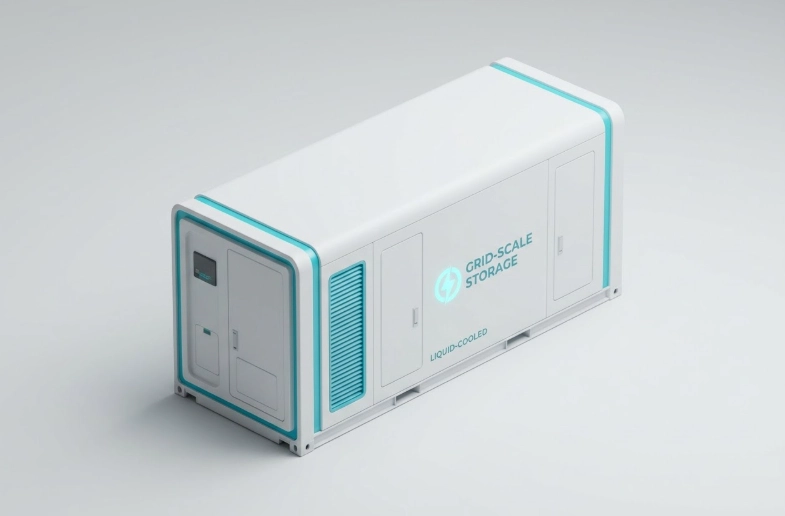
The core reason for this extreme caution lies in the physics of these installations. Grid-level and commercial networks are characterized by large capacity and heavily concentrated power density. A standard 20-foot shipping container configured for power retention can hold upwards of 3 to 5 Megawatt-hours (MWh) of electricity. To put this in perspective, the amount of kinetic energy trapped in that confined space is chemically massive.
If a fault occurs—whether through a manufacturing defect, an external short circuit, or a failure in the cooling mechanisms—the resulting release of energy is catastrophic. Unlike a localized fire, battery fires generate their own oxygen through chemical decomposition, making them notoriously difficult to extinguish with traditional water or foam methods.
Furthermore, these massive installations are frequently deployed near critical infrastructure, residential neighborhoods, or inside commercial facilities. A catastrophic failure does not merely result in the loss of the equipment; it leads to severe collateral damage, potential loss of life, devastating lawsuits, uninsurable future projects, and immediate regulatory shutdowns. Therefore, when developers weigh the pros and cons of different chemical compositions, they will willingly sacrifice a degree of space efficiency or weight savings to guarantee that the installation remains completely stable under extreme stress.
4. Comparative Analysis of Mainstream Chemistries
The market currently relies on a few dominant chemical compositions, each with distinct advantages and distinct drawbacks regarding our two primary metrics.
Traditional Legacy Solutions
The oldest mature technology is the lead-acid battery. For decades, this was the default choice for backup telecom towers and basic off-grid solar setups. While they boast an incredibly low upfront cost and possess a highly stable, predictable degradation curve without extreme fire hazards, they fall drastically short in modern grid applications. Their energy-to-weight ratio is abysmal, they require constant maintenance in flooded variants, and most importantly, they typically survive only 500 to 1,000 rounds depending on the depth of discharge (DoD). This poor durability disqualifies them from intense, daily cycling applications.
High-Density Mobile Champions
The rise of electric vehicles popularized standard lithium-ion chemistries, specifically Nickel Manganese Cobalt (NMC). These cells are phenomenal for cars and smartphones because they pack maximum energy into minimal space and weight. However, when stacked by the thousands in a stationary grid container, their volatile internal chemistry becomes a liability. They are highly sensitive to temperature fluctuations, and their durability typically maxes out around 2,000 to 3,000 rounds. While excellent for mobility, they are increasingly viewed as too risky and short-lived for stationary grid scale.
The Current Stationary Standard
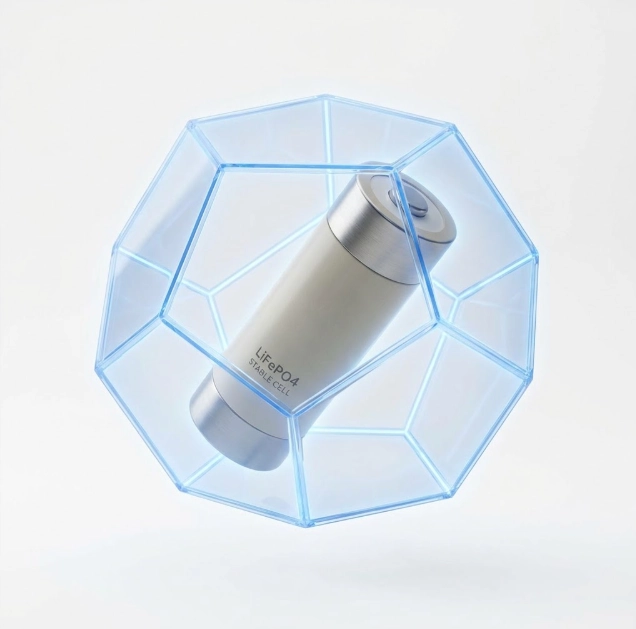
Today, the undisputed king of stationary commercial storage is LiFePO4 (Lithium Iron Phosphate, or LFP). LFP sacrifices some volumetric compactness compared to NMC, meaning an LFP container will be heavier and slightly larger. However, LFP utilizes a highly robust crystalline structure that drastically lowers the risk of internal combustion. Even more importantly for project economics, LFP cells routinely achieve 6,000 to 8,000 operational rounds. This perfect intersection of extreme durability and high chemical stability makes it the industry standard.

Chemistry Performance Comparison
| Chimie des batteries | Typical Durability (Rounds) | Fire Hazard Risk | Upfront Capital Cost | Application principale |
|---|---|---|---|---|
| Traditional Lead-Based | 500 – 1,000 | Très faible | Faible | Basic Off-grid, UPS backups |
| Standard NMC | 2,000 – 3,000 | Haut | Moderate-High | Electric Vehicles, Mobile devices |
| Lithium Iron Phosphate | 6,000 – 8,000 | Low (Highly Stable) | Modéré | Commercial, Grid-Scale, Residential |
5. The Greatest Threats to Commercial Power Projects
When interviewing independent power producers (IPPs) and grid operators, their fears rarely revolve around software interfaces or initial container aesthetics. Their nightmares are entirely operational.
The most dreaded scenario is frequent replacement. If a system’s cells degrade prematurely, developers are forced to dispatch heavy machinery, specialized high-voltage technicians, and hazardous material transport to swap out degraded racks. This constant swapping leads to massive operational downtime. Every day the system is offline is a day it cannot participate in frequency regulation markets or peak-shaving, resulting in bleeding revenue.
Secondly, operators fear unexpected failure risks originating from the Battery Management System (BMS). If the BMS fails to balance the voltage across thousands of individual cells properly, a few weak cells can drag down the performance of the entire megawatt array, leading to a creeping, silent drop in round-trip efficiency. As parasitic loads increase, the system draws more power just to maintain itself than it can effectively sell back to the grid.
However, the absolute worst-case scenario is emballement thermique. This is a terrifying chain-reaction event where a single microscopic flaw in one cell causes it to overheat. Because the cells are packed tightly together, the heat transfers to the adjacent cell, triggering it to ignite, creating an unstoppable domino effect. This uncontrollable heating event can melt through steel containers, release highly toxic gas plumes into the surrounding community, and burn for days. Preventing this specific chain reaction is the primary reason liquid-cooling systems and advanced inert gas suppression networks are now mandatory in modern commercial setups.
6. Strategic Procurement: How Buyers Make Judgments
Given these stakes, how do intelligent buyers and engineers navigate the complex selection process? The most successful procurement strategies follow a strict hierarchical framework: evaluate the scenario first, then mandate stability.
Step 1: Scenario and C-Rate Analysis
Buyers must first look at the exact operational profile. Is the site a commercial manufacturing plant looking to shave peak demand charges twice a day? Is it a utility-scale solar farm needing to shift 4 hours of sunlight into the evening? Or is it a frequency regulation asset that must respond in milliseconds with high bursts of power? The scenario dictates the “C-rate” (the speed of charge and discharge). High C-rate applications require robust cooling and specific busbar engineering, while low C-rate load-shifting prioritizes massive capacity and slow, steady durability.
Step 2: Prioritizing System Stability and Longevity
Once the scenario is mapped, buyers aggressively filter out technologies that cannot guarantee decades of stability. They demand third-party degradation reports (such as UL certifications) to verify that the chemistry will actually survive the promised 6,000+ rounds under real-world temperatures. They will thoroughly audit the thermal management architecture—choosing liquid-cooled configurations over traditional HVAC air-cooling to ensure uniform cell temperatures. Intelligent buyers know that chasing a 5% cheaper upfront cost is a fatal error if it compromises the long-term thermodynamic stability of the array.
7. The Promise of Next-Gen Technologies
While current LFP technology serves the industry well, global research laboratories are racing toward the next massive breakthrough: batteries à semi-conducteurs.
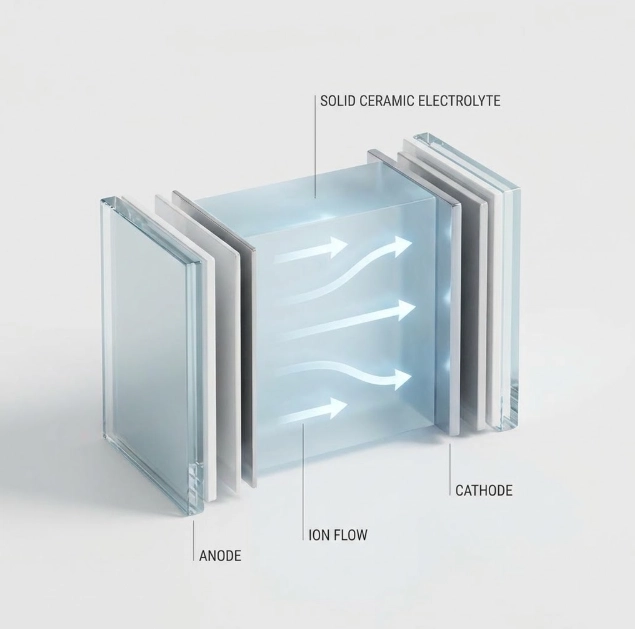
Traditional lithium-based cells rely on a liquid electrolyte—a highly flammable organic solvent that facilitates the movement of ions. Solid electrolyte tech replaces this liquid with a non-flammable solid ceramic, polymer, or sulfide material.
This architectural shift fundamentally eliminates the root cause of chain-reaction fires. By completely removing the flammable liquid, these advanced cells offer unprecedented hazard mitigation. Even if physically pierced or crushed, they will not erupt into self-sustaining flames. Furthermore, the solid architecture prevents the formation of internal dendrites (microscopic metal spikes that grow over time and short-circuit traditional cells). Because dendrite growth is halted, these cells possess the potential for radically better long-term performance, theoretically pushing durability past the 10,000 to 15,000-round mark. While manufacturing these cells at scale remains a logistical and financial hurdle today, they represent the ultimate endpoint for grid-level infrastructure: infinite cycle durability combined with absolute chemical security.
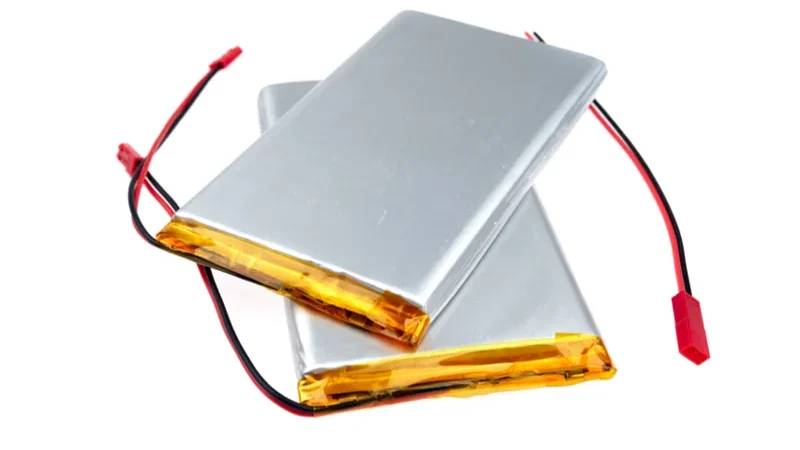
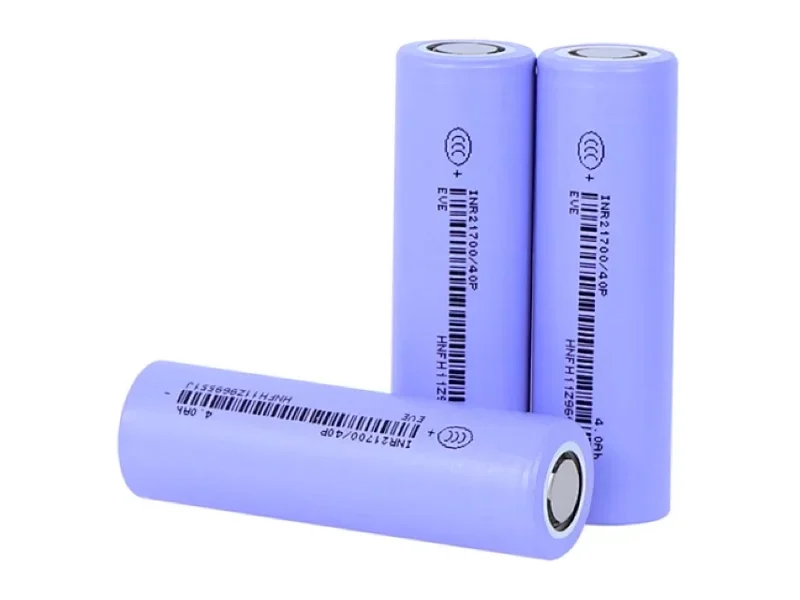
Know About Solid-state Battery
FAQ
How is the actual lifespan of a commercial battery installation calculated in the real world?
Lifespan is calculated by analyzing the Depth of Discharge (DoD) per cycle and the average operating temperature. Manufacturers provide a degradation curve (e.g., 6,000 cycles at 80% DoD at 25°C). The Battery Management System (BMS) logs every micro-cycle. Real-world lifespan ends when the total retainable capacity falls to a contracted threshold (usually 70% or 80%), at which point augmentation is required.
What specific fire suppression mechanisms are standard in modern commercial installations?
Modern installations utilize multi-tiered defense systems. Active defense includes liquid cooling plates between cells to maintain exact thermal uniformity. If a fire starts, passive defenses trigger. These usually involve off-gas detection sensors (catching the chemical vapors before smoke even appears) coupled with clean agent fire suppression systems like NOVEC 1230 or FM-200, which instantly flood the container to remove heat and break the chemical fire chain without short-circuiting adjacent electronics.
Will the imminent arrival of solid-state batteries make current commercial setups obsolete?
No, current installations will not become instantly obsolete. Modern LFP arrays are economically viable and heavily entrenched in 15-to-20-year power purchase agreements. While next-generation solid cells offer incredible advancements in security and durability, they will initially be highly expensive and likely deployed in premium sectors (like aerospace or high-end EVs) before achieving the massive economies of scale required for cheap, bulky grid storage.