










How to Choose an Electric Bike Battery: Capacity vs. Lifespan
Release time: 2026-08-05
Isi Kandungan
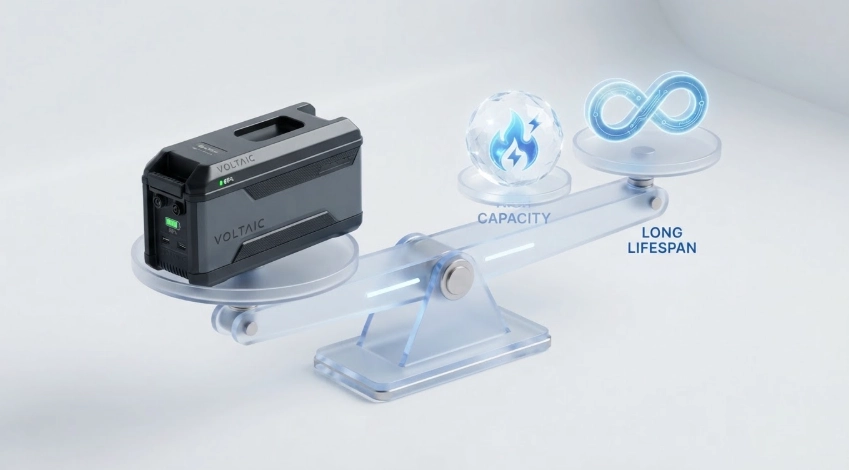
As electric mobility transforms our daily commutes and commercial logistics, the heartbeat of any two-wheeled electric vehicle remains its power source. When upgrading or purchasing a new electric vehicle, consumers are often faced with a critical dilemma: Should you prioritize how far the vehicle can go on a single charge, or how many years the power pack will ultimately last?
Understanding the delicate balance between capacity and longevity is the cornerstone of smart electric bike battery selection. This comprehensive guide will decode the most important metrics, compare the dominating chemical compositions on the market, and help you determine which specification truly aligns with your riding habits.
1. What Do Electric Vehicle Users Care About Most?
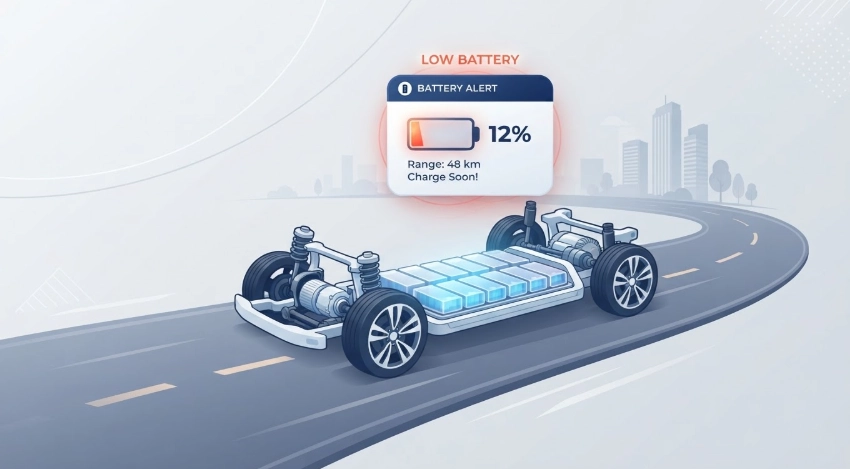
Before diving into complex electrical metrics, it is essential to establish what actually matters to the end-user on a day-to-day basis. Consumer research and rider feedback highlight four primary pillars of battery performance
The Need for Uninterrupted Range
Range anxiety is arguably the most common psychological barrier for electric vehicle adopters. Riders want to know that their vehicle will comfortably transport them from point A to point B—and back—without dying halfway. E-bike range dictates how far you can travel before needing a wall outlet, heavily influencing the freedom and utility of the vehicle.
Long-Term Longevity and Durability
A battery is the most expensive single component of an electric bike. Users are deeply concerned about the total cost of ownership. If a power unit degrades rapidly within a year, the replacement cost significantly diminishes the economic advantage of riding electric.
High-Speed Charging Efficiency
In our fast-paced world, downtime is a major inconvenience. Charging efficiency has become a highly scrutinized metric. How quickly can a depleted pack regain 80% of its power? Can it accept fast-charging currents without sustaining internal heat damage? For commercial operators, time spent plugged into a wall is money lost.
Overall Weight and Ergonomics
Electric vehicle batteries are dense and heavy. For riders who must remove their packs to charge them in a second-story apartment, or for those who ride performance-oriented models where agility is paramount, every single pound matters. A lighter pack improves handling, acceleration, and carrying convenience.
2. Decoding the Metrics: Capacity vs. Lifespan
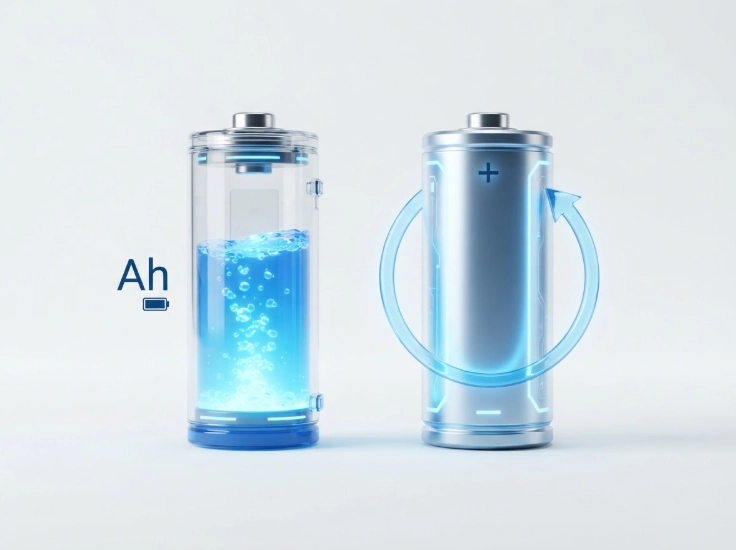
To make an informed purchasing decision, one must realize that capacity and lifespan represent two completely different engineering metrics. They are not synonymous, and excelling in one does not guarantee performance in the other.
What is Battery Capacity?
Capacity is the measure of how much electrical energy the pack can store. It is typically expressed in Amp-hours (Ah) or Watt-hours (Wh).
- Amp-hours (Ah): Represents the volume of “fuel” in the tank. A 20Ah pack holds more electrical current than a 10Ah pack.
- Watt-hours (Wh): The truest measure of total energy, calculated by multiplying Voltage (V) by Amp-hours (Ah). For example, a 48V pack rated at 20Ah delivers 960Wh of total energy.
High capacity translates directly to a longer travel distance on a single charge.
What is Battery Lifespan?
Lifespan is entirely different; it dictates the longevity of the pack over time and is measured in battery cycle life. One complete cycle is defined as a discharge from 100% down to 0%, and a recharge back to 100%. If a pack is rated for 1,000 cycles, it means it can undergo this full process 1,000 times before its capacity significantly degrades (usually defined as dropping below 80% of its original stated capacity).
Capacity is about today’s ride. Lifespan is about tomorrow’s investment.
3. The Trap of the “High Capacity” Illusion: Why You Can’t Just Look at Size
A common novice mistake is simply buying the battery with the highest Amp-hour rating that fits their budget. However, high capacity does not always mean it will be more cost-effective or practical in the long run.
The Problem with Rapid Degradation
Imagine purchasing a massive 30Ah pack built with low-tier, inexpensive internal cells. While you may enjoy a massive travel radius for the first few months, poor chemical stability means its cycle rating might be incredibly low. After just 200 charges, that 30Ah pack might degrade by 40%, effectively turning it into an 18Ah pack. Meanwhile, a high-quality 20Ah pack with excellent longevity would still be operating at 19Ah over the same time frame.
The Weight Penalty
Energy density is a strict physical constraint. Increasing capacity usually requires adding more physical cells. If your daily commute is only 10 miles round-trip, buying a pack capable of 60 miles means you are unnecessarily hauling around 15 extra pounds of dead weight every single day. This reduces vehicle agility, increases tire wear, and makes the bike harder to pedal if the motor is off.
Cost Per Mile Analysis
Financial efficiency in electric vehicles is calculated by “Cost Per Mile” over the lifetime of the vehicle. A massive capacity pack that dies in a year has a terrible cost per mile. A moderate capacity pack that lasts five years offers an exceptional return on investment. Therefore, maximizing your investment requires matching the pack’s specifications precisely to your daily routine.
4. Comparing the Core Battery Chemistries
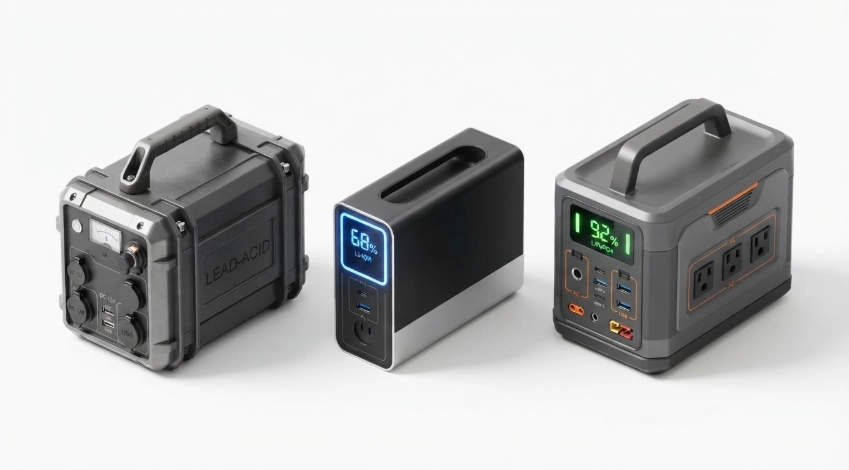
The internal chemical composition is the single biggest factor dictating whether a battery leans toward high capacity, long life, or low weight. Here is a breakdown of the three dominating technologies in the market today.
Asid Plumbum
Lead-acid batteries are the oldest technology still in widespread use. They operate using lead plates submerged in sulfuric acid.
- Kelebihan: They are exceptionally cheap to manufacture and have high surge-current capabilities.
- Keburukan: They suffer from terrible energy density (meaning they are incredibly heavy and bulky for the energy they provide). More importantly, their lifespan is dismal, often lasting only 300 to 500 charge cycles before total failure. They also suffer heavily from voltage sag, meaning the vehicle feels noticeably slower as the charge drops below 50%.
Lithium-Ion (NMC/NCA)
Lithium-ion batteries utilize variations of Nickel, Manganese, and Cobalt. This chemistry is the standard for modern electric vehicles, laptops, and smartphones.
- Kelebihan: They boast the highest energy density available commercially. This allows for massive capacities in incredibly compact, lightweight packages.
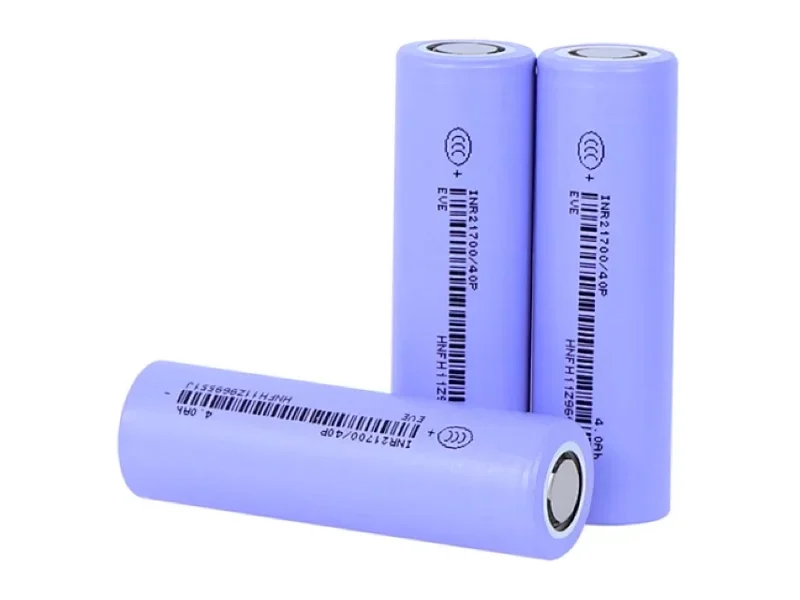
- Keburukan: They are relatively expensive. Their lifespan is moderate, typically ranging from 600 to 1,000 cycles. They also require sophisticated Battery Management Systems (BMS) to prevent overheating and thermal runaway risks.
Lithium Iron Phosphate (LiFePO4 / LFP)
LiFePO4 batteries (LFP) trade the unstable Cobalt for Iron Phosphate. This structural shift completely changes the performance dynamics of the pack.
- Kelebihan: They offer unparalleled longevity, easily achieving 2,000 to 4,000 charge cycles with minimal degradation. Furthermore, they are incredibly safe, being nearly immune to thermal runaway and fires even when damaged.
- Keburukan: They have a lower energy density than standard Lithium-ion, meaning they are physically larger and heavier for the same amount of capacity.
Chemistry Comparison Matrix
| Metrik | Asid Plumbum | Litium-Ion (NMC) | LiFePO4 (LFP) |
|---|---|---|---|
| Typical Cycle Rating | 300 – 500 | 600 – 1,000 | 2,000 – 4,000+ |
| Energy Density (Weight) | Very Low (Heavy) | Very High (Light) | Moderate (Medium Weight) |
| Upfront Cost | Rendah | Tinggi | Moderate-High |
| Thermal Safety | Sederhana | Low (Requires strict BMS) | Sangat Tinggi |
| Best Used For | Ultra-budget setups | Long-range, lightweight needs | Commercial, long-term daily use |
5. Who Should Prioritize Maximum Lifespan?
For certain demographics, replacing a power pack every year is financially devastating. For these users, sacrificing a little bit of capacity or accepting a slightly heavier build in favor of immense longevity (like LFP chemistry) is the optimal strategy.
The Commercial Warriors
Delivery riders working for food platforms or local logistics companies push their vehicles to the absolute limit. They may drain and recharge their packs completely once or even twice a single day. A standard chemistry pack would be decimated in less than 8 to 10 months under these conditions. For these gig-economy professionals, the power source is a business asset; they require high cycle ratings to ensure their business remains profitable over a multi-year period.
Heavy Commuters and Shared Mobility
High-frequency riders who commute 15+ miles a day, five days a week, will quickly rack up charge cycles. Similarly, urban shared-mobility fleets (rental scooters and bikes) face constant daily abuse. Fleet operators and daily commuters prioritize robust chemistries that will survive years of relentless charging and discharging, ensuring they do not face premature replacement costs.
6. Who Should Prioritize Lightweight and Capacity?
Conversely, there are vast segments of the riding population where extreme longevity is less critical than immediate performance, convenience, and low weight.
The Urban Apartment Dweller
If you live in a third-floor walk-up apartment without an elevator, choosing a lightweight battery is not a luxury; it is a physical necessity. LFP and Lead-Acid packs might simply be too heavy to detach and carry upstairs every evening. For these users, a high-density Lithium-ion (NMC) pack provides the necessary energy without breaking the user’s back.
Performance Enthusiasts and Space-Constrained Riders
For riders of high-performance electric mountain bikes (eMTBs) or compact folding e-bikes, physical space and weight distribution are critical. A heavy power unit throws off the center of gravity and ruins suspension dynamics on a mountain bike. High-capacity, low-weight lithium packs allow for aggressive riding, rapid acceleration, and seamless integration into sleek, hidden frame compartments. For these weekend warriors, an 800-cycle limit is perfectly acceptable, as they may only ride twice a week, meaning the pack will still last many years.
7. Upgrading to Next-Generation Battery Solutions
As the industry matures, consumers no longer have to make stark compromises between safety, life, and range. Advanced upgrades are changing the landscape of electric mobility.
Smart Battery Management Systems (BMS)
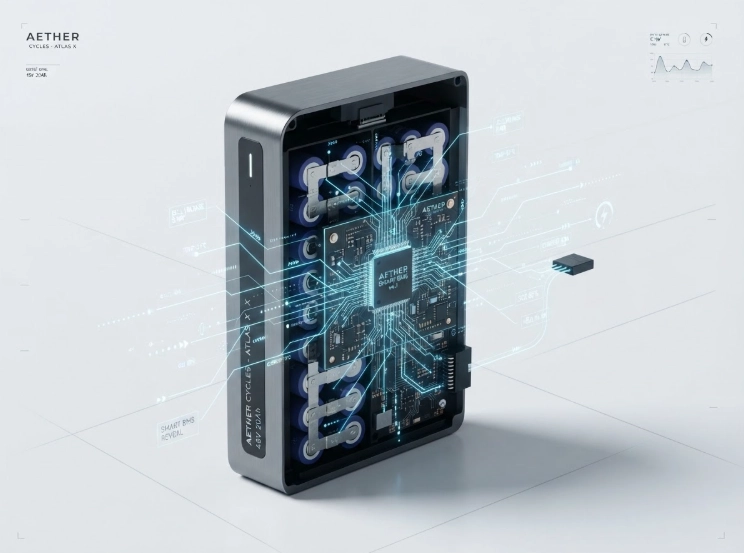
Modern packs are being equipped with Bluetooth-enabled Smart BMS. These advanced computer chips monitor the voltage, temperature, and health of every individual cell inside the casing. By preventing micro-overcharges and balancing the cells dynamically, a high-quality Smart BMS can extend the functional life of a standard pack by up to 30%, while drastically increasing charging safety.
Emerging Solid-State and Sodium-Ion Tech
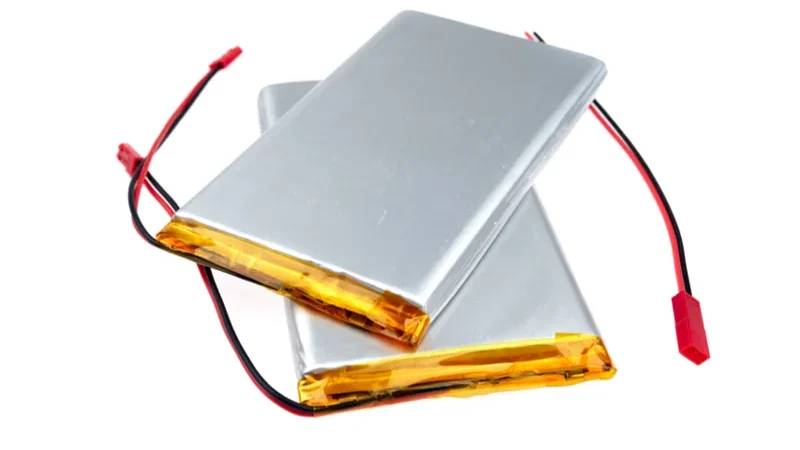
While currently in the early stages of commercialization for two-wheelers, teknologi keadaan pepejal promises to double energy density while completely eliminating thermal risks. Simultaneously, Sodium-ion batteries are emerging as a highly sustainable, temperature-resistant alternative to Lithium, promising excellent longevity at a fraction of the cost, making future upgrades even more exciting for consumers.
Kesimpulan
When navigating the complexities of electric two-wheeler power sources, there is no universal “best” choice. If you are a gig worker or daily commuter racking up hundreds of miles a week, prioritizing lifespan via robust chemistries like LFP will save you thousands of dollars over time. However, if portability, acceleration, and maximum single-trip distances are your goals, investing in high-capacity, lightweight Lithium-ion technology is the clear path forward. Assess your unique daily habits, respect the physical constraints of the technology, and choose the specification that empowers your specific journey.
Know About Solid-state Battery
Soalan Lazim
How can I accurately test my current battery’s health and remaining lifespan?
The most accurate way to test battery health is by using a digital multimeter to check if it charges to its stated maximum voltage, or by having a local e-bike shop perform a “load test” or “capacity discharge test.” Additionally, if your pack features a Smart BMS, you can usually connect it to a smartphone app via Bluetooth to read the exact cycle count and internal cell health percentages directly.
Does frequent fast-charging damage the longevity of my electric bike battery?
Yes, habitual use of high-amperage fast chargers can accelerate cell degradation. Fast charging generates significantly more internal heat, which breaks down the internal chemistry of lithium cells over time. While fast charging is fine for occasional emergencies, using a standard, slower charger (typically 2A to 3A) for your daily overnight charging will noticeably extend the overall lifespan of the pack.
Is it better to keep the battery at 100% capacity when I am not using the bike for several weeks?
No, storing a lithium-based power pack at 100% for prolonged periods causes internal stress and irreversible capacity loss. If you plan to store your vehicle or battery for more than a few weeks (such as over the winter), it is highly recommended to discharge or charge the pack to roughly 50% to 60% of its capacity, and store it in a cool, dry place inside your home.