









Guide to Choosing the Right Battery for Your Portable Power Station
Release time: 2026-08-04
Оглавление
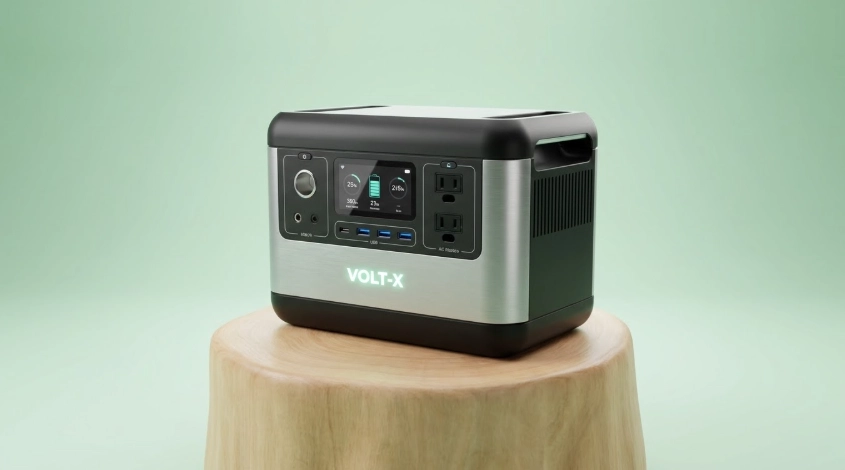
The modern wilderness experience has evolved. Gone are the days when venturing into the great outdoors meant completely disconnecting from digital life and modern conveniences. Today, whether you are embarking on a cross-country RV journey, setting up a remote campsite, or establishing a mobile workstation for outdoor photography, reliable electricity is no longer a luxury—it is a necessity. At the heart of this off-grid revolution is the modern portable power station. However, beneath the rugged exteriors and sleek digital displays of these devices lies a critical component that dictates their entire performance: the internal battery chemistry.
Choosing the correct energy storage system is the single most important decision you will make when investing in off-grid electricity. The market is flooded with varying terminologies, aggressive marketing claims, and vastly different price points.
How do you separate the hype from reality? This comprehensive guide will break down everything you need to know about outdoor energy storage, exploring exactly which internal cell chemistry aligns perfectly with your wilderness lifestyle.
1. What Matters Most When Selecting an Off-Grid Energy Source?
When evaluating any mobile generator, the raw specifications can often feel overwhelming. To make an informed decision, you must look past the marketing jargon and focus on four foundational pillars of performance. These pillars dictate how the device will actually perform when you are miles away from the nearest wall outlet.
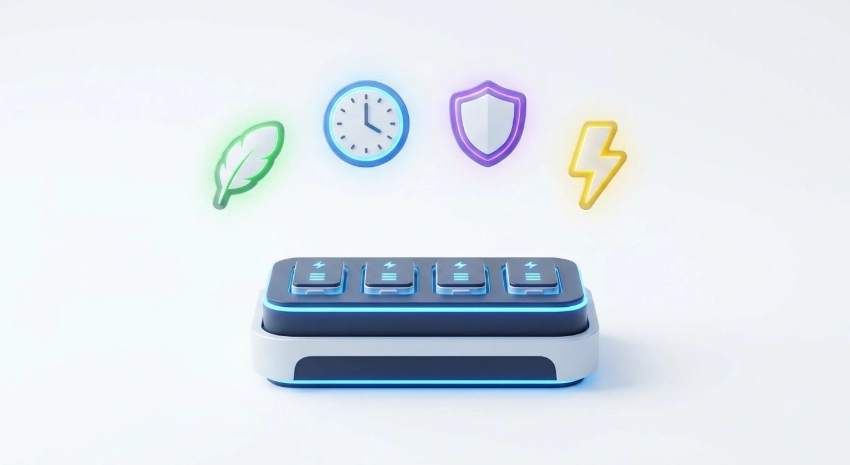
Uncompromising Portability
When you are packing a vehicle for a weekend trip, space and weight are premium commodities. Portability is not just about the overall footprint; it is about the power-to-weight ratio. How much energy are you getting for every pound you carry? An ergonomically designed handle means nothing if the unit itself is too heavy to lift into the trunk of a car. A superior device offers maximum watt-hours (Wh) in the smallest, most manageable physical footprint possible.
Reliable Runtime and Capacity
Endurance is the lifeblood of off-grid living. When you plug in a portable refrigerator, medical equipment like a CPAP machine, or a high-draw induction cooktop, you need absolute certainty that the device will not die midway through the night. True runtime is affected by the efficiency of the internal inverter and the depth of discharge allowed by the internal management system.
Absolute Operational Security
Nature is unpredictable. Your equipment will be subjected to intense vibrations on dirt roads, blistering heat inside a parked vehicle, and freezing temperatures during desert nights. The thermal stability of the internal cells is paramount. A high-quality device incorporates a sophisticated Battery Management System (BMS) that monitors temperatures, prevents over-voltage, and actively balances cells to prevent catastrophic failures.
Exceptional Replenishment Speed
Eventually, your reserves will run low. How quickly can you get back to 100%? Exceptional charging efficiency is critical when you only have a brief window of peak sunlight for your solar panels, or a short stop at a diner with a wall outlet. Fast input capabilities—whether via AC wall current, dual solar inputs, or vehicle alternators—can make or break a prolonged off-grid adventure.
2. Core Pain Points in Wilderness Scenarios
To understand why the internal chemistry matters so much, we must first examine the harsh realities of using electricity in the wild. Outdoor environments present unique challenges that static residential backup systems never encounter.
The Burden of Frequent Transportation
Unlike a home backup unit that sits quietly in a garage, mobile energy units are in constant motion. They are dragged out of garages, lifted into truck beds, carried across uneven campsite terrain, and shuffled around inside cramped RVs. This frequent moving drastically amplifies the pain point of excessive weight. If your equipment is too heavy, you simply will not use it as often, turning a significant investment into an expensive paperweight.
Surviving Complex, Extreme Environments
Mother Nature is not kind to electronics. A power pack might sit in the back of a black SUV where temperatures exceed 120°F (49°C) during the day, only to face near-freezing conditions the very next morning. Furthermore, the constant micro-vibrations from off-roading, exposure to high humidity, and the occasional accidental drop require a rugged internal structure. Fragile internal components will quickly degrade under these complex environmental stressors.
Urgent and Temporary Surge Demands
Outdoor electricity usage is rarely a steady, low-level draw. You might go hours drawing just a few watts to charge smartphones, and then suddenly need 1500 watts to run a microwave, a blender, or a high-powered water pump. These temporary, massive surges put immense stress on the internal cells. The system must be capable of delivering high discharge rates instantly without overheating or triggering safety shutdowns.
3. Exploring Common Chemistry Solutions
Historically, the industry has relied on a few standard technologies to store electricity. Understanding the evolution and the pros and cons of these three common chemistries is vital for making an educated purchase.
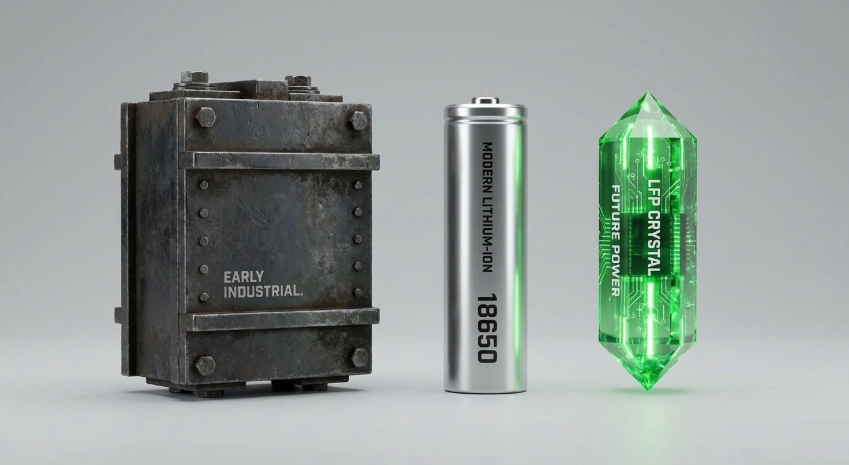
The Traditional Workhorse: Lead-Acid
For decades, traditional wet cells and Sealed Lead Acid (SLA) technologies were the only viable options for off-grid energy. Originally developed in the 19th century, this technology is incredibly stable, inexpensive to manufacture, and readily available.
- The Pros: Highly affordable upfront cost; capable of delivering high surge currents; operates well in extreme cold.
- The Cons: Abysmally low energy density (meaning they are incredibly heavy and bulky). They also suffer from severe depth-of-discharge limitations—draining them below 50% permanently damages their capacity.
The Lightweight Revolution: Lithium-ion
When consumer electronics demanded lighter, more energy-dense solutions, the industry shifted toward standard ternary cells (often using Nickel Manganese Cobalt or NMC chemistries). This is the same technology that powered the early electric vehicle revolution and currently powers your smartphone.
- The Pros: Unmatched energy density. These units are remarkably lightweight and compact, making them a dream to carry. They can also be discharged much deeper than older technologies without immediate damage.
- The Cons: They are inherently volatile. If punctured, overcharged, or exposed to extreme heat, they carry a real risk of thermal runaway (catching fire). Furthermore, their long-term durability is mediocre, often degrading after a few hundred uses.
The Modern Gold Standard: LiFePO4
Lithium Iron Phosphate (LFP) has rapidly become the preferred choice for premium outdoor energy storage. By swapping out cobalt for iron phosphate, manufacturers created a fundamentally different chemical profile.
- The Pros: Incredible structural and thermal stability. They will not catch fire even if punctured. More importantly, they boast a staggering lifespan, capable of thousands of charge and discharge phases before showing noticeable degradation.
- The Cons: They are slightly heavier and bulkier than standard NMC cells, and they generally come with a higher initial price tag.
At-a-Glance Comparison Matrix
To simplify the decision-making process, consult the table below, which evaluates the three major technologies across the most critical metrics.
| Функция / Метрика | Traditional Deep-Cycle | Standard Ternary (NMC) | Iron Phosphate (LFP) |
|---|---|---|---|
| Energy Density (Weight) | Very Poor (Heaviest) | Excellent (Lightest) | Good (Moderate Weight) |
| Typical Lifespan | 300 – 500 uses | 500 – 800 uses | 3,000 – 6,000+ uses |
| Thermal Stability (Safety) | Умеренный | Low (Risk of fire) | Excellent (Extremely Safe) |
| Depth of Discharge (DoD) | Max 50% recommended | Up to 80-90% | Up to 100% |
| Upfront Cost | Lowest | Умеренный | Highest |
| Long-Term Value (ROI) | Poor | Умеренный | Exceptional |
4. How Different Chemistries Impact Daily Usage
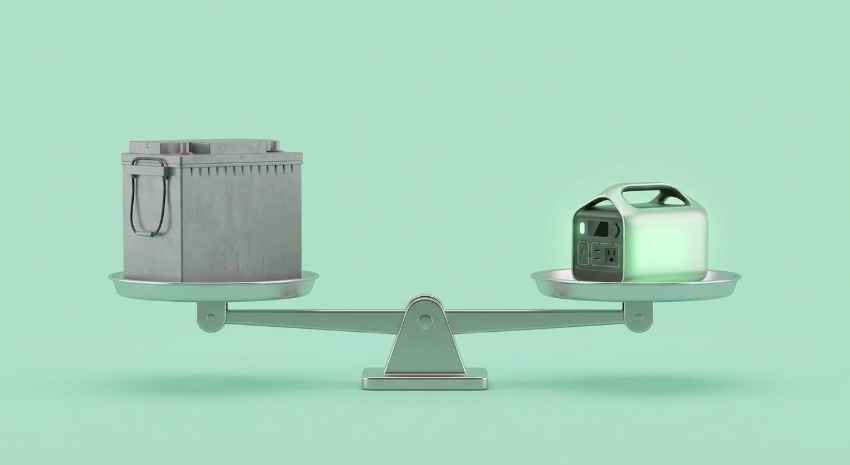
The technical specifications listed in a manual only tell half the story. How do these different technologies actually feel when you use them on a daily basis? The disparities in user experience are profound.
The Reality of Weight and Volume
Imagine packing for a three-day overlanding trip. Space in your vehicle is meticulously calculated. If you opt for an older SLA system to provide 1000Wh of energy, you are hauling a massive box weighing upwards of 60 pounds (27 kg). Every time you need to move it to a sunny spot for solar charging, it is a physical chore. In contrast, an NMC unit of the same capacity might weigh just 20 pounds (9 kg) and take up half the space, sliding easily under a car seat. The LFP equivalent will sit comfortably around 27 pounds (12 kg)—a perfectly acceptable compromise for the benefits it provides.
The Math Behind Longevity
The most dramatic experiential difference lies in durability. The cycle life of a battery dictates how many times you can drain it and fill it back up before its maximum capacity drops to 80% of its original state. If you are a weekend warrior who camps 10 times a year, a cheap system that lasts 500 uses might technically survive for years. But what if you live in a van full-time, or rely on the unit daily for remote construction work? Draining and recharging a standard ternary unit every day means it will degrade heavily in less than two years. An LFP unit, offering 3,500 uses, can be cycled every single day for nearly ten years before showing the same level of degradation.
The Convenience of Maintenance-Free Power
Modern off-grid generators require virtually zero maintenance, but older technologies demand constant babysitting. With older lead-based systems, you constantly have to monitor the voltage to ensure you don’t drain it past 50%, lest you ruin the internal plates. Modern intelligent systems allow you to drain the unit to 0% and charge it back to 100% without anxiety, allowing you to focus entirely on enjoying your adventure.
5. The Ideal Choice for High-Frequency Adventurers
For those who rely on off-grid electricity regularly—digital nomads, full-time RVers, professional outdoor photographers, and emergency first responders—the criteria for selecting a power unit shifts dramatically. When you are off the grid frequently, emphasizing absolute longevity and uncompromised safety is far more important than hunting for a purely low-price bargain.
Purchasing a deeply discounted, low-tier energy unit often results in a “false economy.” You might save $300 at the checkout counter today, but if the unit fails after 18 months of heavy use, or degrades to the point where it can no longer power your essential gear, you will find yourself buying a completely new system.
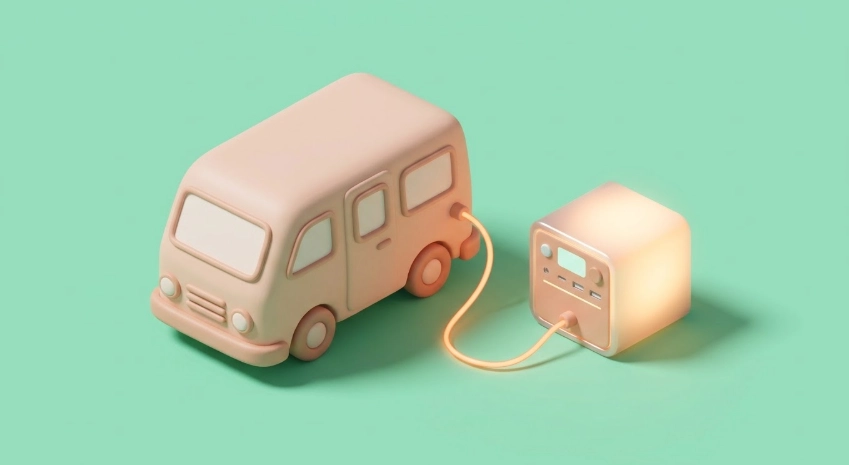
By investing in premium chemistry (specifically LFP), you are locking in a decade of reliable service. The cost-per-use of a premium unit is astronomically lower over a five-year period than a budget alternative. High-frequency users cannot afford equipment failure in the field; therefore, selecting a chemistry engineered for marathon endurance is the only logical path forward.
6. Why Uncompromising Security is Non-Negotiable
When utilizing electricity far from hospitals and fire departments, security is not just a feature—it is the foundational requirement of the entire system. Prolonged outdoor use places extreme demands on energy storage, making stability a non-negotiable priority.
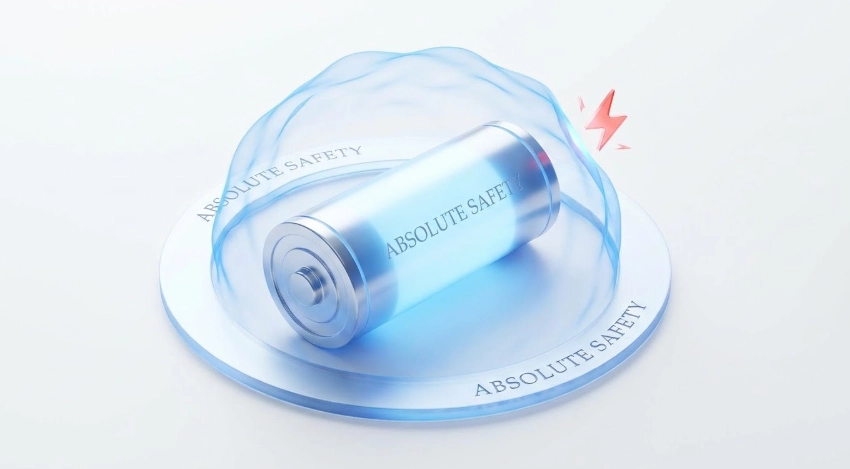
Standard high-density chemistries, while wonderfully lightweight, rely on liquid electrolytes that are highly flammable. If the unit is accidentally dropped hard on a rock, causing an internal short circuit, or left in a boiling hot car with poor ventilation, these cells can enter a state of thermal runaway. This is a self-sustaining chemical fire that is incredibly difficult to extinguish.
This is exactly why focusing on a higher safety threshold is critical for outdoor enthusiasts. Modern iron-phosphate chemistries feature remarkably strong covalent bonds at the molecular level. Even if the cell is punctured, crushed, or heated to extreme temperatures, it simply will not combust. When you are sleeping in a highly flammable nylon tent, or driving down the highway with your family in an RV, the absolute peace of mind provided by a thermally stable energy source is priceless.
7. The Next Frontier: Advanced Tech
While current LFP systems are spectacular, the energy storage industry is on the cusp of another massive technological leap. Engineers and scientists are actively perfecting the твердотельная батарея.
Current generation cells, regardless of their specific chemical makeup, rely on a liquid or gel electrolyte to shuttle ions back and forth between the anode and cathode. This liquid takes up space, adds weight, and—in some chemistries—poses flammability risks. The next-generation dry cells completely remove this liquid, replacing it with a solid, conductive material (like specialized ceramics or polymers).
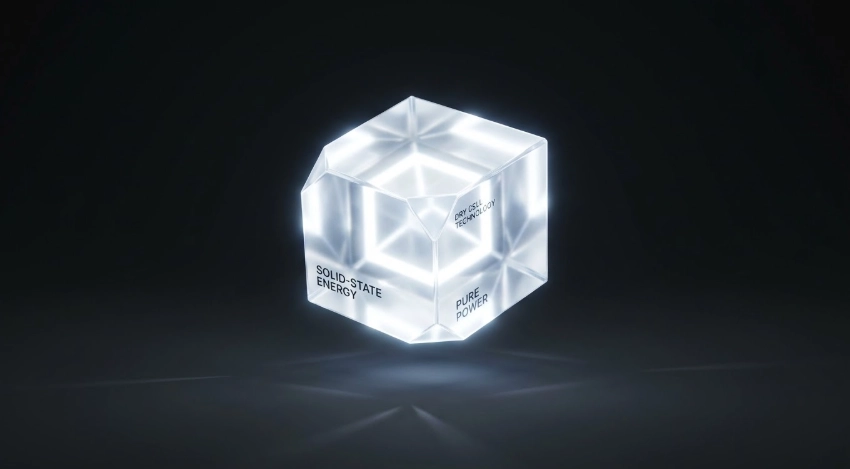
What does this improvement bring to the outdoor enthusiast?
First, it promises a massive leap in compactness. Without the need for bulky liquid containment and cooling spaces, these dry cells can pack significantly more energy into a fraction of the space. Imagine a unit that outputs 2000Wh but is the size of a lunchbox. Second, it brings an unprecedented level of safety. Without liquid electrolytes, the risk of leakage, swelling, or fire is virtually eliminated, making them the ultimate choice for highly demanding, rugged portable scenarios. While these next-generation units are currently expensive and mostly found in cutting-edge EVs and aerospace applications, they represent the imminent future of consumer off-grid electricity.
Заключение
Selecting the ultimate power pack for your outdoor adventures comes down to aligning the technology with your specific needs. If you only need a backup for a once-a-year weekend camping trip, a budget-friendly standard lithium unit might suffice. However, if you are looking for a reliable, safe, and durable energy partner for frequent off-grid excursions, prioritizing advanced, thermally stable chemistries like LFP is the undeniable choice. Invest wisely, prioritize longevity and safety, and empower your outdoor lifestyle with confidence.
Часто задаваемые вопросы
How exactly does extreme weather affect my off-grid power supply?
Extreme temperatures significantly impact battery performance. High heat (above 110°F/43°C) can cause standard liquid-electrolyte cells to degrade faster and may trigger safety shutdowns to prevent overheating. Conversely, freezing temperatures increase the internal resistance of the cells, temporarily reducing the total capacity you can draw from the unit and making it difficult to recharge safely. Always look for units with built-in intelligent temperature management systems, and try to keep your device in a shaded, temperate area when possible.
Can I upgrade the internal cells of my unit later if they wear out?
In the vast majority of consumer-grade mobile energy systems, the internal cells are permanently sealed, spot-welded together, and deeply integrated with the proprietary Battery Management System (BMS). Therefore, they are not designed to be user-replaceable or upgradable. This is why it is so crucial to purchase a unit with highly durable chemistry (like LFP) from the very beginning, as you are buying a sealed ecosystem that must last for years.
When will next-generation solid electrolyte technology become widely available for consumers?
While the technology currently exists and is being utilized in specialized military, aerospace, and high-end automotive applications, it has not yet reached the mass-production scale required for affordable consumer electronics. Most industry experts predict that these advanced dry-cell power packs will begin appearing in premium consumer off-grid generators within the next 3 to 5 years, eventually becoming the standard as manufacturing costs decrease.