









Твердотельные батареи против литий-железо-фосфатных батарей: будущее хранения энергии
Release time: 2026-07-13
Оглавление
The global transition toward renewable energy and electrified transportation is accelerating at an unprecedented pace. At the very heart of this revolution lies energy storage technology. For the past decade, the electric vehicle (EV) industry and grid-scale storage sectors have relied heavily on traditional lithium-ion architectures. However, as consumers demand longer driving ranges, faster charging times, and absolute safety, the limitations of current technologies are becoming apparent. Any definitive сравнение химических составов батарей today must address the shift from conventional liquid electrolytes to next-generation paradigms.
Among the various technologies vying for market dominance, two architectures have emerged as the focal points of industry debate: the highly mature Lithium Iron Phosphate (LiFePO4) and the revolutionary solid electrolyte systems. While the former has conquered the budget and standard-range markets, the emergence of the твердотельная батарея represents a paradigm shift, promising to shatter the performance ceilings that have constrained engineers for years.
This comprehensive guide delves deep into the mechanics, advantages, and future trajectory of these energy storage solutions, highlighting why the solid-state architecture is universally regarded as the holy grail of electrification.
The Evolution of Energy Storage Architectures
To truly appreciate the magnitude of the current technological leap, one must understand the historical progression of electrochemical cells. The journey began with heavy, low-capacity lead-acid units, eventually evolving into nickel-metal hydride (NiMH) packs that powered the first generation of hybrid vehicles. The true revolution, however, arrived with the commercialization of the lithium-ion cell in the 1990s.
Traditional lithium-ion systems rely on a liquid or gel electrolyte to facilitate the movement of lithium ions between the anode and the cathode during charging and discharging cycles. While highly effective, this liquid medium poses significant challenges. The organic solvents used are highly flammable, susceptible to thermal runaway, and limit the types of electrode materials that can be safely employed.
As the industry sought safer and cheaper alternatives, Lithium Iron Phosphate (LFP) rose to prominence. However, the ultimate pursuit of maximum energy density and uncompromised safety has led the brightest minds in materials science to a profound realization: the liquid must be eliminated. This realization birthed the solid-state cell (SSB) revolution.
Deconstructing the Solid-State Marvel: The Ultimate Game Changer
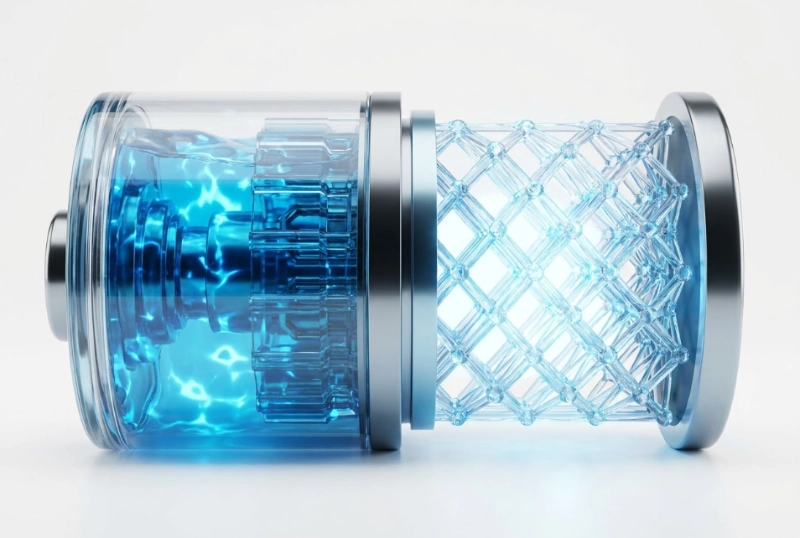
When discussing the future of electrification, solid-state technology commands the spotlight. By replacing the volatile liquid organic solvent with a stable, solid inorganic electrolyte—typically composed of advanced ceramics, sulfides, or specialized solid polymers—engineers have unlocked a cascade of profound benefits that redefine what is possible in energy storage.
1. Unprecedented Energy Density and Range
The most significant breakthrough enabled by solid electrolytes is the integration of the pure lithium metal anode. In traditional liquid systems, using a pure lithium metal anode is virtually impossible due to the formation of “dendrites”—microscopic, needle-like metallic structures that grow across the liquid electrolyte, eventually piercing the separator and causing catastrophic short circuits.
Solid electrolytes act as a physically impenetrable barrier, effectively suppressing dendrite growth. By safely utilizing lithium metal anodes, SSBs can achieve gravimetric energy densities exceeding 400 to 500 Watt-hours per kilogram (Wh/kg). This is effectively double the capacity of today’s standard cells. For the end-user, this translates to electric vehicles capable of traveling 600 to 800 miles on a single charge, completely eradicating “range anxiety.”
2. Absolute Safety and Thermal Stability
Safety is the cornerstone of solid-state cells. The organic liquid electrolytes used in conventional formats are highly flammable and vaporize at high temperatures. If a cell is damaged, overcharged, or experiences an internal short, it can enter a state of “thermal runaway”—a self-sustaining, uncontrollable chemical fire that is notoriously difficult to extinguish.
Solid-state systems eliminate this risk entirely. The ceramic or sulfide-based electrolytes are inherently non-flammable and exhibit extraordinary thermal stability. They do not vaporize, they do not leak, and they can withstand temperatures that would cause traditional cells to combust. This exceptional safety profile means automobile manufacturers can drastically reduce the heavy, complex, and expensive active cooling systems and armored pack housings currently required, further reducing the overall weight of the vehicle.
3. Ultra-Fast Charging Capabilities
Another monumental advantage of solid architecture is its charging velocity. The ionic conductivity of advanced solid electrolytes, particularly sulfide-based variants, is beginning to match or even exceed that of liquid counterparts. More importantly, because the solid structure is highly resistant to degradation and temperature spikes, SSBs can accept immense charging currents without suffering internal damage. Consumers can expect charging times to drop from the current 30-40 minutes down to a mere 10-15 minutes, mimicking the convenience of refueling an internal combustion engine vehicle.
4. Extended Lifespan and Extreme Weather Durability
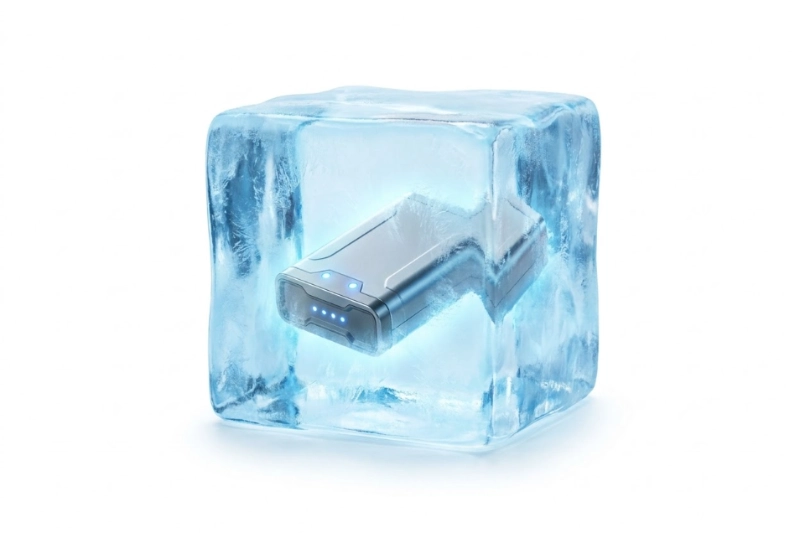
Liquid electrolytes are highly sensitive to temperature fluctuations. In freezing conditions, the liquid becomes viscous, severely restricting ion movement and reducing power output. Conversely, high heat accelerates chemical degradation. Solid electrolytes maintain a consistent structural integrity and high ionic conductivity across a significantly wider temperature spectrum. Whether operating in the freezing winters of Scandinavia or the scorching summers of the Middle East, solid-state cells deliver consistent, reliable performance over tens of thousands of cycles.
The Current Champion: Understanding the LFP Paradigm
Before we contrast the two technologies, it is essential to acknowledge the current dominant force in the global market: Lithium Iron Phosphate.
LFP technology has seen a massive resurgence, particularly in entry-level and standard-range electric vehicles, as well as massive utility-scale grid storage farms. The appeal of LFP lies not in breaking performance records, but in pragmatic, economic reliability.
LFP cells utilize iron and phosphorus—materials that are incredibly abundant, cheap, and non-toxic. Crucially, they eliminate the need for cobalt and nickel, two heavily scrutinized metals fraught with volatile pricing, supply chain bottlenecks, and ethical mining concerns.
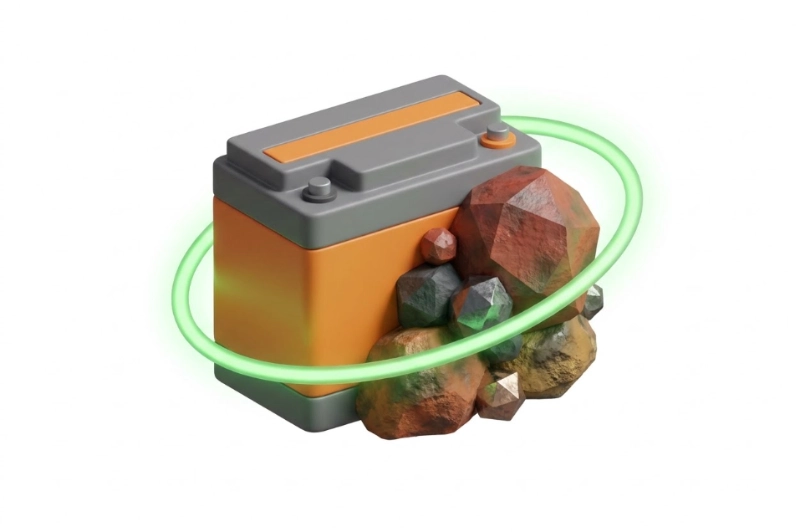
Furthermore, the robust olivine crystal structure of LiFePO4 makes these cells incredibly durable. They can routinely exceed 3,000 to 4,000 charge cycles with minimal capacity degradation, making them perfect for applications where longevity is more important than weight, such as city buses or stationary solar battery banks. They also boast a much higher thermal runaway threshold compared to standard NMC (Nickel Manganese Cobalt) liquid cells, offering a commendable safety profile.
However, LFP technology is inherently limited by its chemistry. Its theoretical energy density ceiling is relatively low (hovering around 160-210 Wh/kg). It is bulky and heavy. Moreover, LFP cells are notoriously sluggish in sub-zero temperatures, often requiring significant pre-conditioning energy just to function properly in winter climates. They represent the peak of current mainstream technology, but they cannot power the demanding, high-performance future.
твердотельные батареи против литий-железо-фосфатных батарей: A Comprehensive Head-to-Head
When conducting a thorough Сравнение литий-железо-фосфатных (LFP) батарей against emerging technologies, the contrasting philosophies become clear: one is a perfected legacy technology optimized for cost and scale, while the other is a revolutionary architecture designed for ultimate, uncompromised performance.
To provide a clear perspective on how these two systems stack up against one another, below is a detailed comparative analysis across critical industry metrics.
| Performance Metric | Solid-State Cells (SSBs) | Фосфат лития-железа (LFP) |
|---|---|---|
| Electrolyte Architecture | Твердые вещества (керамика, сульфиды или полимеры) | Жидкие (органические растворители) |
| Energy Density (Gravimetric) | Extremely High (400 – 500+ Wh/kg) | Moderate (160 – 210 Wh/kg) |
| Volumetric Efficiency | Excellent (Compact, requires less cooling) | Poor (Bulky, heavy pack design) |
| Профиль безопасности | Exceptional (Non-flammable, no thermal runaway) | High (Stable crystal structure, low fire risk) |
| Cold Weather Performance | Excellent (Consistent ionic conductivity) | Poor to Moderate (Severe capacity loss in cold) |
| Скорость зарядки | Ultra-Fast (Targeting <15 minutes for 80%) | Moderate (Usually capped at 2C to 3C rates) |
| Raw Material Dependency | Varies (Requires specialized lithium/ceramics) | Excellent (Abundant iron and phosphorus, zero cobalt) |
| Текущая себестоимость производства | Very High (Pre-commercial, complex processes) | Very Low (Highly mature, massive gigafactory scale) |
Analyzing the Data: The Supremacy of Solid-State
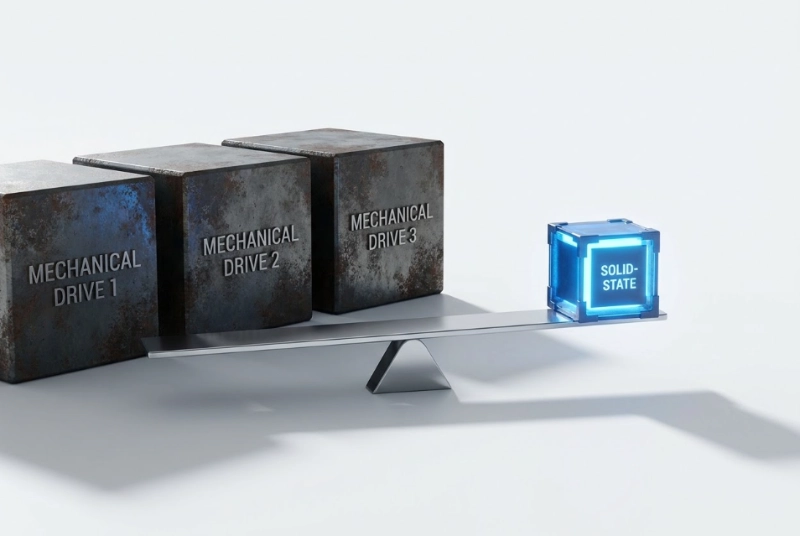
Looking at the comparative matrix, the advantages of the solid electrolyte architecture are glaringly apparent.
In terms of Packaging and Design, the high volumetric efficiency of SSBs is a dream for industrial designers. Because solid-state systems require vastly less thermal management infrastructure (no heavy liquid cooling channels) and are inherently safer, the cells can be packed much closer together. This allows automotive engineers to design vehicles with lower profiles, better aerodynamics, and more cabin space, all while housing a pack that delivers twice the range of an LFP equivalent.
Regarding Fast Charging capability, LFP cells often struggle with lithium plating when forced to charge at ultra-high speeds, especially in cooler temperatures. Solid-state technology bypasses this physical limitation entirely, paving the way for charging stations that operate at megawatt levels without degrading the cell’s lifespan.
The only metric where LFP currently holds a definitive advantage is Cost and Manufacturability. Because LFP has been manufactured for over a decade, economies of scale have driven its price per kilowatt-hour (kWh) down to historic lows. Conversely, SSBs require novel manufacturing techniques, such as highly pressurized assembly environments and advanced thin-film deposition, which currently make them expensive to produce. However, as the industry injects billions of dollars into scaling solid-state production lines, this cost gap is expected to close dramatically by the end of the decade.
Environmental Impact and Sustainability
As the world pushes for a greener future, the environmental footprint of energy storage itself is under intense scrutiny.
LFP currently shines in this regard due to its lack of cobalt and nickel. The mining of cobalt has long been associated with severe ecological and ethical concerns, primarily concentrated in regions with fragile geopolitical stability. By relying on iron and phosphorus, LFP supply chains are vastly more stable and ethically sound. Furthermore, because LFP cells last for thousands of cycles, their lifecycle environmental impact is spread over a longer period, making them excellent candidates for “second-life” applications, such as grid storage, after their use in EVs is complete.
However, solid-state architecture presents its own unique sustainability advantages. Because SSBs hold drastically more energy per kilogram, fewer raw materials are required to achieve the same total energy capacity. You need less steel, less aluminum for casing, and less plastic for separators.
Furthermore, the solid electrolytes, particularly oxide-based ceramics, are highly stable and could potentially simplify the recycling process compared to separating toxic, volatile liquid solvents. Innovations in твердотельная технология are also driving the development of sodium-based solid electrolytes, which would eliminate lithium dependency entirely, opening the door to virtually infinite, ocean-sourced raw materials.
Market Applications and The Road to Commercialization
The deployment strategies for these two technologies will diverge based on their unique characteristics.
LFP will continue to dominate the mass market for the foreseeable future. If you are purchasing an entry-level commuter EV, an electric scooter, or installing a residential solar backup system, LFP is the logical, cost-effective choice. It provides more than enough performance for daily, low-intensity applications.
Solid-state technology, on the other hand, will initially penetrate the premium and high-stakes sectors. We will first see SSBs deployed in luxury flagship electric vehicles, electric hypercars, and heavy-duty commercial trucking—where weight savings and extreme range are paramount.
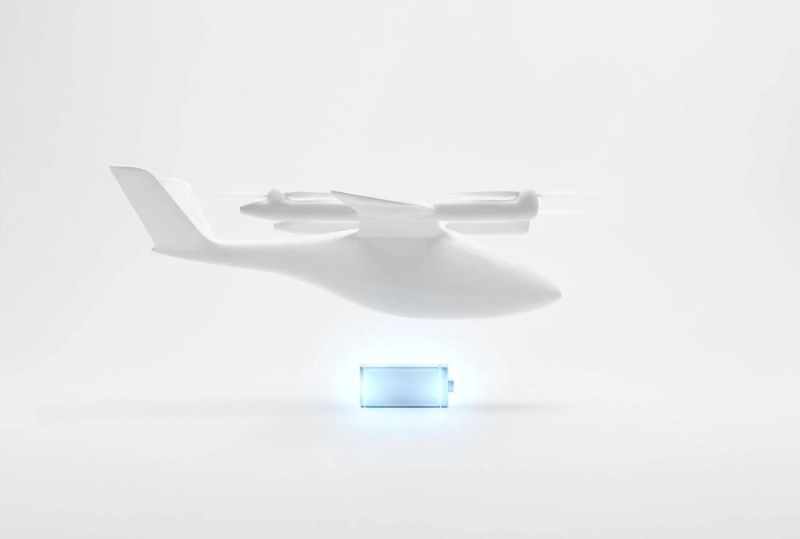
Beyond terrestrial vehicles, SSBs are the critical key to unlocking electric aviation. The energy density of LFP is simply too low to overcome the weight penalties of flight. Electric Vertical Takeoff and Landing (eVTOL) aircraft and regional electric airplanes require the lightweight, massive energy output that only solid-state architecture can provide. Similarly, the aerospace and defense sectors are heavily investing in this technology for satellites and drones, attracted by its safety in the vacuum of space and extreme temperature resilience.
Major automotive conglomerates—including Toyota, Volkswagen (via QuantumScape), BMW (via Solid Power), and Nissan—have laid out aggressive timelines. Pilot production lines are already operational, and mass commercialization of SSBs is widely projected to hit consumer showrooms between 2027 and 2030. When this production bottleneck is solved, the landscape of global energy will change overnight.
Заключение
The transition away from fossil fuels relies entirely on our ability to store electrical energy efficiently, safely, and abundantly. While Lithium Iron Phosphate has proven to be a highly capable, cost-effective workhorse that is currently democratizing electric mobility, it is ultimately constrained by the physical limits of its liquid-based chemistry.
Ultimately, the твердотельная батарея is not just an incremental update; it is the definitive technological zenith of the current era. By eliminating the vulnerabilities of liquid solvents, mastering lithium metal integration, and unlocking unprecedented energy densities, solid electrolyte technology is poised to redefine transportation, aerospace, and global power grids. The future of energy storage is solid, and its arrival will mark the true tipping point in the global electrification revolution.
Часто задаваемые вопросы
Q1: Is a solid-state cell inherently safer than a Lithium Iron Phosphate (LFP) cell?
Yes. While LFP is currently the safest among traditional liquid lithium-ion technologies due to its stable crystal structure and high thermal runaway threshold, it still contains a flammable liquid organic electrolyte. Solid-state cells replace this liquid with a non-flammable inorganic solid (like ceramic or glass). This means they will not leak, do not vaporize into explosive gases under stress, and are virtually immune to the catastrophic thermal runaway fires that can plague liquid-based cells.
Q2: Will solid electrolyte technologies completely replace LFP in the future?
Not immediately, and perhaps not entirely. Because LFP utilizes extremely cheap and abundant materials (iron and phosphorus), it will likely remain the champion of low-cost, high-cycle-life applications such as grid-scale energy storage and budget-friendly city cars. Solid-state systems will initially dominate the premium EV market, long-haul trucking, and aerospace sectors where high energy density and lightweight characteristics are critical. The two will likely coexist, serving different segments of the market.
Q3: Why aren’t solid-state systems widely available in electric vehicles right now?
The primary hurdle is manufacturing scalability and cost. Creating solid electrolytes requires incredibly precise manufacturing environments, often involving high-pressure assembly, vacuum deposition, and advanced materials engineering. Current gigafactories are optimized for liquid injection processes. Transitioning to solid-state requires entirely new production lines and supply chains. While the technology is proven in laboratories, scaling it to produce millions of flawless cells economically is a massive engineering challenge that the industry aims to overcome by the late 2020s.