









Что автопроизводителям нужно знать о внедрении твердотельной электроники
Release time: 2026-07-09
Оглавление
The automotive landscape is undergoing a profound and rapid transformation. As global decarbonization mandates tighten and consumer expectations for driving range and charging speed soar, the limitations of traditional lithium-ion technology are becoming increasingly apparent. The industry is standing on the precipice of a new era, one defined by solid-state technology. For automotive executives, engineers, and supply chain managers, understanding the nuances of this transition is no longer optional; it is a strategic imperative.
The race to commercialize the future EV battery is fiercely competitive, drawing billions in investments from legacy automakers and agile technology startups alike. This comprehensive guide explores what original equipment manufacturers (OEMs) must know about solid-state adoption, from manufacturing hurdles to architectural transformations, and how to position their brands for the next generation of electric mobility.
The Paradigm Shift: Why Solid-State is the Holy Grail of Electrification
To understand the magnitude of this shift, one must first look at the core mechanics of energy storage. Conventional lithium-ion cells rely on liquid electrolytes to shuttle ions between the cathode and anode. While effective, these volatile liquids pose significant flammability risks under extreme heat or physical puncture. Furthermore, liquid electrolytes limit the types of active materials that can be used, effectively capping the energy density potential of the cell.
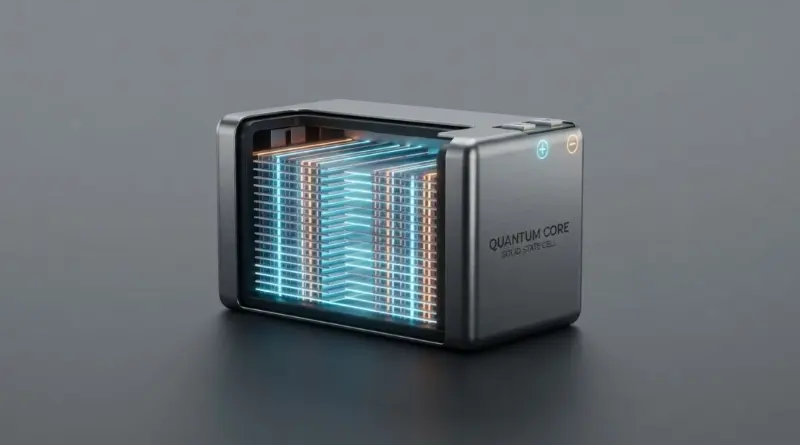
Solid-state technology replaces this liquid medium with a solid, non-flammable electrolyte—typically composed of advanced ceramics, sulfides, or polymers. This seemingly simple substitution unlocks a cascade of performance benefits that could permanently alter consumer adoption curves:
- Unprecedented Energy Density: By utilizing a solid separator, engineers can safely introduce lithium-metal anodes. This can push energy densities beyond the 500 Wh/kg threshold, offering a 40% to 70% improvement over current state-of-the-art cells. This translates to smaller, lighter packs that deliver well over 600 miles (approx. 1,000 km) of range per charge.
- Ultra-Fast Charging Capabilities: Advanced prototypes from leading developers are already demonstrating the ability to reach an 80% charge in just 10 to 15 minutes. This paradigm shift effectively eliminates range anxiety and mirrors the traditional internal combustion engine (ICE) refueling experience.
- Повышенная термостойкость: The removal of flammable liquids drastically reduces the risk of thermal runaway. This inherent safety allows for tighter packaging of cells and a reduction in the heavy, complex cooling systems currently required in modern electric cars.
Navigating Stringent electric vehicle battery requirements
Transitioning a promising laboratory prototype into a mass-market automotive component is a monumental task. The automotive sector is notoriously unforgiving, demanding that new technologies survive a gauntlet of extreme conditions while maintaining peak performance for over a decade.
To be deemed commercially viable, automakers must ensure that these next-generation cells meet strict electric vehicle battery requirements. These parameters include enduring wide temperature fluctuations, ranging from bitter winter cold (-30°C) to scorching desert heat (60°C). Historically, solid electrolytes have struggled with low-temperature operation, as ionic conductivity tends to drop significantly when the materials are cold. Researchers are currently engineering novel copolymerized materials and advanced sulfide compositions to maintain conductivity across all climates.
Furthermore, longevity is non-negotiable. An automotive-grade cell must sustain thousands of charge and discharge cycles with minimal capacity degradation (fade). Early iterations of solid-state prototypes faced challenges with mechanical degradation. During cycling, a lithium-metal anode expands and contracts—a phenomenon often referred to as “breathing.” If the solid electrolyte cannot maintain constant, high-pressure contact with the electrodes during this breathing process, micro-cracks and delamination occur, instantly killing the cell’s performance. Solving this interfacial stability issue is the primary focus for researchers aiming to finalize their product blueprints.
Table 1: Comparative Analysis: Conventional Lithium-Ion vs. Solid-State Architectures
| Параметр | Обычные литий-ионные аккумуляторы | Emerging Solid-State Technology |
|---|---|---|
| Electrolyte Medium | Воспламеняющиеся жидкие органические растворители | Non-flammable solid (Sulfide, Oxide, Polymer) |
| Типичная плотность энергии | 250 – 300 Wh/kg | 400 – 900+ Wh/kg |
| Fast Charging Time (10%-80%) | 25 – 40 minutes | 10 – 15 minutes |
| Риск теплового разгона | Moderate to High (requires heavy cooling) | Чрезвычайно низкий |
| Срок службы цикла | 1,500 – 3,000 cycles | Target: 5,000 – 10,000+ cycles |
| Manufacturing Cost (Current) | ~100 – 130 per kWh | Prohibitively high (Pilot scale only) |
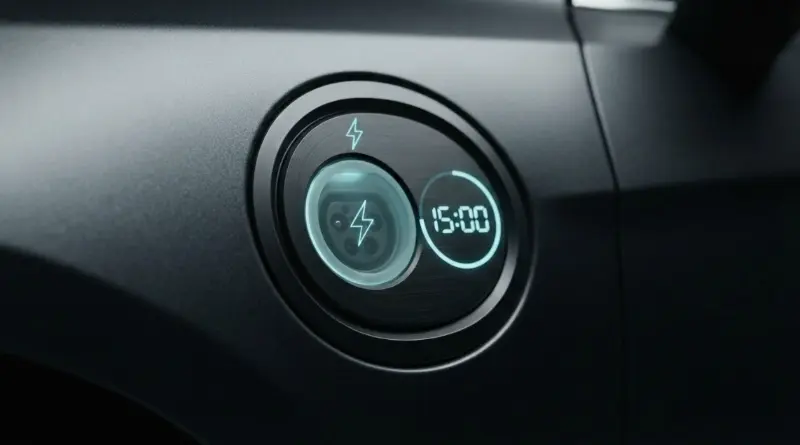
The Complexities of EV battery integration
Fitting these revolutionary cells into a passenger car is not a simple “plug-and-play” scenario. The structural and software dynamics of the entire vehicle must be reimagined to accommodate the unique physical properties of solid-state systems.
Proper EV battery integration requires rethinking the thermal management system (TMS). While traditional lithium-ion packs spend massive amounts of energy cooling the cells to prevent overheating, solid-state cells often perform better at higher temperatures. Some oxide-based solid electrolytes require temperatures above 50°C to achieve optimal ionic conductivity. Therefore, the vehicle’s TMS may need to pivot from a cooling-dominant architecture to a heating-dominant one, utilizing pre-conditioning software to warm the pack before a rapid acceleration event or a fast-charging session.
Mechanical integration poses another significant hurdle. Because solid-state cells—particularly those utilizing ceramic separators—are highly sensitive to pressure and mechanical stress, they must be housed in specialized casings. The pack must exert a constant, engineered pressure on the cells to prevent delamination during the anode’s expansion and contraction cycle, while also absorbing the vibrations and shocks of daily driving. Automakers are increasingly looking at Cell-to-Pack (CTP) and Cell-to-Chassis (CTC) designs to achieve this, merging the structural integrity of the vehicle frame with the mechanical containment required by the energy storage system.
Manufacturing Realities: The Gigafactory Evolution
The most formidable barrier to widespread adoption is not chemistry, but manufacturing scalability. The global automotive industry has invested hundreds of billions of dollars into gigafactories optimized for wet-coating roll-to-roll manufacturing processes. Unfortunately, solid-state production requires vastly different environments and techniques.
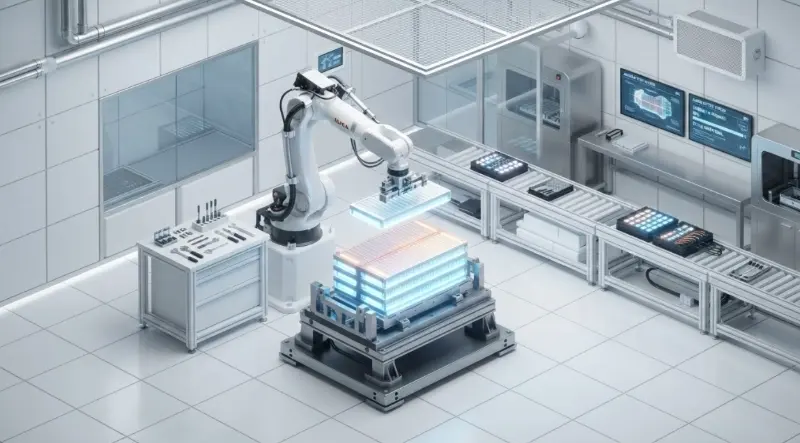
Sulfide-based solid electrolytes, which currently show the most promise for automotive applications due to their high conductivity and malleability, are incredibly sensitive to moisture. Exposure to even trace amounts of humidity can cause them to release toxic hydrogen sulfide gas. Consequently, manufacturing facilities must feature ultra-dry rooms with dew points far lower than those used in standard lithium-ion plants.
Additionally, the transition requires new synthesis methods for raw materials, advanced pressing machinery to fuse the solid layers, and novel quality control technologies capable of detecting microscopic defects at the electrode-electrolyte interface. The capital expenditure (CapEx) required to retrofit existing production lines or construct purpose-built solid-state facilities is staggering. Until economies of scale are achieved and learning-curve cost reductions are realized, the per-kWh price of these advanced cells will remain high, restricting their initial deployment to luxury and high-performance vehicle segments.
Supply Chain Dynamics and Material Sourcing
The shift in cell chemistry will inevitably trigger a massive realignment of the global supply chain. Automakers must proactively secure the raw materials necessary for these new architectures to avoid production bottlenecks later in the decade.
While the demand for graphite (the traditional anode material) may decrease as lithium-metal anodes become the standard, the demand for lithium itself will skyrocket. Anodes constructed purely of lithium metal require significantly more of this critical resource per cell. Furthermore, depending on the specific solid electrolyte chemistry chosen by the manufacturer, new supply chains must be established for elements like germanium, titanium, lanthanum, and solid sulfur.
Given the geopolitical complexities surrounding critical mineral extraction and refining, OEMs are increasingly forming direct joint ventures with mining companies and chemical refiners. Vertical integration, or at least securing long-term, fixed-price offtake agreements, will be a crucial differentiator for automakers seeking to dominate the second half of the electrification revolution.
Table 2: Projected Solid-State Commercialization Roadmap
| Phase | Estimated Timeframe | Key Characteristics | Target Market Segment |
|---|---|---|---|
| Phase 1: Semi-Solid State | 2024 – 2026 | Hybrid electrolytes (part solid, part gel/liquid), improved density, minor factory retrofits. | Premium sedans, long-range flagship models. |
| Phase 2: Early All-Solid-State | 2027 – 2029 | True solid electrolytes, low production volumes, high manufacturing costs. | Supercars, ultra-luxury SUVs, specialized fleet vehicles. |
| Phase 3: Scale & Optimization | 2030 – 2032 | Standardized manufacturing, significant cost reductions, improved low-temperature capability. | Mid-market SUVs, high-volume premium vehicles, commercial trucks. |
| Phase 4: Mass Market Parity | 2033 & Beyond | Cost parity with traditional lithium-ion, vast gigafactory infrastructure in place. | Entry-level compact cars, global mass adoption. |
Strategic Recommendations for Automotive Leaders
To navigate this complex transition, automotive OEMs must adopt a multi-faceted strategic approach. Waiting for the technology to mature before investing is a recipe for obsolescence.
- Diversify Battery Portfolios: Do not abandon lithium-ion innovation. Lithium Iron Phosphate (LFP) and advanced silicon-anode technologies will remain the backbone of the mass market for the next decade. Treat solid-state as a parallel track for future flagship products.
- Forge Strategic Partnerships: The technological hurdles are too steep for most automakers to solve entirely in-house. Forming joint ventures and equity partnerships with leading material science startups and established cell manufacturers is essential to share R&D costs and secure early access to pilot production lines.
- Invest in Next-Generation Software: The Battery Management System (BMS) will be the unsung hero of the solid-state era. Invest heavily in software teams capable of writing predictive algorithms that manage the unique thermal and pressure dynamics of solid electrolytes in real-time.
Заключение
The transition away from liquid-based energy storage is not merely an iterative update; it is a fundamental reimagining of automotive engineering. While the road to mass commercialization is paved with manufacturing hurdles, high capital costs, and complex material science challenges, the destination offers an unparalleled reward.
Vehicles that can travel a thousand kilometers on a single charge and refuel in the time it takes to buy a coffee will definitively end the internal combustion era. By proactively mastering the integration challenges today, securing robust material supply chains, and heavily investing in R&D, OEMs can ensure they are not left behind. Developing the perfect Аккумулятор электромобиля requires relentless innovation, but the companies that successfully deploy the ultimate future EV battery will secure their market dominance and define the standard of global mobility for generations to come.
Часто задаваемые вопросы
1. What is the most significant hurdle to mass-producing solid-state batteries for cars? The primary obstacle is manufacturing scalability and cost. Solid-state cells require entirely new manufacturing processes, including ultra-dry room environments and high-pressure assembly techniques that differ vastly from today’s liquid-electrolyte gigafactories. Additionally, achieving a perfectly stable interface between the solid electrolyte and the electrodes over thousands of charging cycles remains a complex material science challenge that drives up initial production costs.
2. Will solid-state technology completely eliminate the risk of electric vehicle fires? While solid-state architectures drastically improve safety by replacing highly flammable liquid solvents with stable, non-flammable solid ceramics or polymers, they do not completely eliminate energy risk. Any device storing massive amounts of electrical energy has the potential for failure if subjected to extreme physical destruction or catastrophic short-circuiting. However, the risk of spontaneous thermal runaway is exponentially lower compared to traditional lithium-ion systems.
3. When can consumers expect solid-state electric vehicles to reach mass-market affordability? Although early deployments of true solid-state vehicles are expected between 2027 and 2029, these will likely be confined to ultra-luxury and high-performance models to absorb the high initial manufacturing costs. Industry analysts and market research predict that cost parity with conventional lithium-ion technology will be achieved in the 2032–2035 timeframe, which is when these advanced cells will become standard in affordable, mass-market vehicles.