









Lựa chọn pin cho robot: Pin thể rắn hay pin lithium-ion?
Release time: 2026-07-23
Mục lục
The robotics revolution is no longer a concept of the distant future; it is unfolding rapidly across industries. From autonomous mobile robots (AMRs) navigating massive logistics warehouses to agile drones executing precision agriculture, and sophisticated humanoids assisting in healthcare, automation is accelerating. Yet, regardless of how advanced the artificial intelligence (AI), sensors, or actuators become, every robotic system is ultimately bound by a fundamental limitation: its power source.
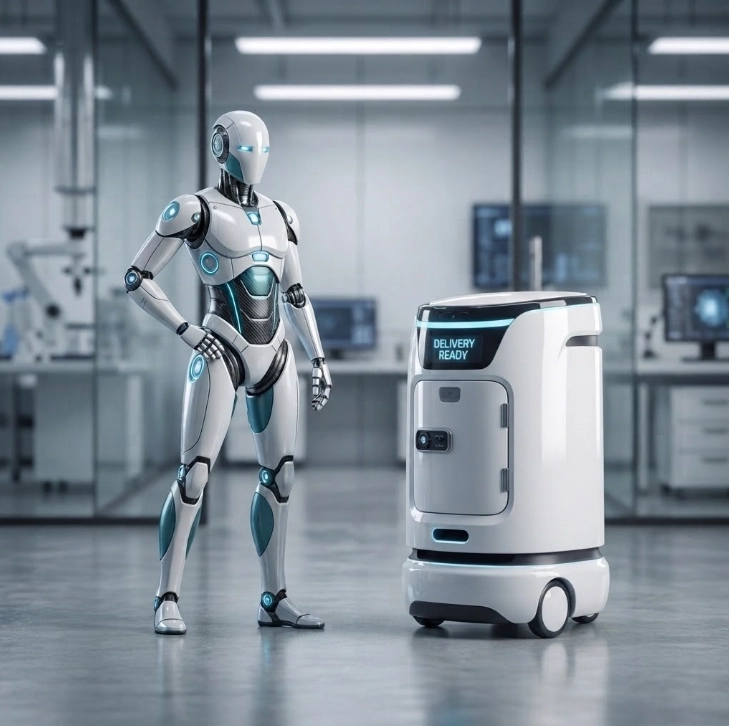
Finding the perfect giải pháp năng lượng robot is no longer just about matching voltage and capacity; it is about balancing weight, safety, longevity, and thermal dynamics. For over two decades, the tech world has relied heavily on Lithium-Ion (Li-ion) technology. However, a new challenger is rapidly moving from laboratory testing to commercial viability: the Solid-State Battery (SSB).
As robotics engineers and manufacturers look toward the next generation of autonomous machines, the debate is heating up. Should developers stick with the proven, cost-effective Lithium-Ion, or pivot to the promising, high-performance Solid-State architecture? This comprehensive guide explores the intricate details of both technologies to help you make an informed decision for your robotic applications.
Lithium-Ion Batteries in Robotics
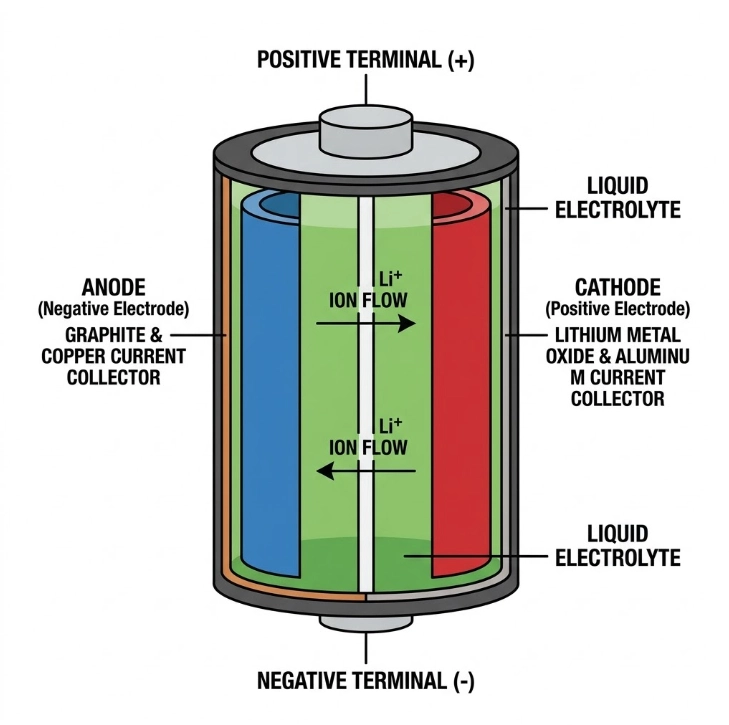
Lithium-ion batteries have been the undisputed workhorses of portable electronics, electric vehicles (EVs), and robotic systems. Their fundamental architecture relies on lithium ions moving from the negative electrode (anode) to the positive electrode (cathode) through a liquid electrolyte during discharge, and back when charging.
The Mechanics and Chemistries
In the robotics sector, not all Li-ion batteries are created equal. Engineers typically choose between specific chemistries based on the robot’s operational requirements:
- Lithium Nickel Manganese Cobalt (NMC): Favored for its high energy density, making it ideal for robots where space and weight are at a premium, such as advanced drones or agile humanoids.
- Lithium Iron Phosphate (LFP): Known for its exceptional cycle life and superior thermal stability. While heavier and less energy-dense than NMC, LFP is the go-to choice for heavy-duty industrial AMRs and automated guided vehicles (AGVs) where weight is less of a constraint than safety and longevity.
Advantages for Robotic Systems
The dominance of Li-ion is built on a foundation of undeniable benefits. First and foremost is maturity. The manufacturing processes for Li-ion are highly optimized, leading to economies of scale that keep costs relatively low. This predictability in supply chain and cost allows robotics companies to forecast production expenses accurately.
Furthermore, Li-ion provides a very respectable energy density (typically ranging from 150 to 250 Wh/kg), which is sufficient for most current robotic applications. They also support relatively high discharge rates, which is crucial when a robotic arm requires a sudden surge of power to lift a heavy payload, or a bipedal robot needs immediate torque to recover its balance.
Inherent Limitations
Despite their ubiquity, Li-ion batteries have inherent flaws that present significant bottlenecks for next-generation robotics. The most glaring issue is the liquid electrolyte, which is highly flammable. If the battery is physically punctured, overcharged, or exposed to extreme heat, it can trigger a catastrophic chain reaction known as thermal runaway, leading to fires or explosions. For domestic robots or medical surgical robots, this safety risk is a major engineering hurdle requiring heavy, complex protective casing.
Additionally, the energy density of Li-ion is approaching its theoretical limit. As developers attempt to build smaller, smarter robots that require more computing power (which drains batteries faster), Li-ion technology is struggling to keep pace without adding unacceptable bulk and weight.
Công nghệ bán dẫn
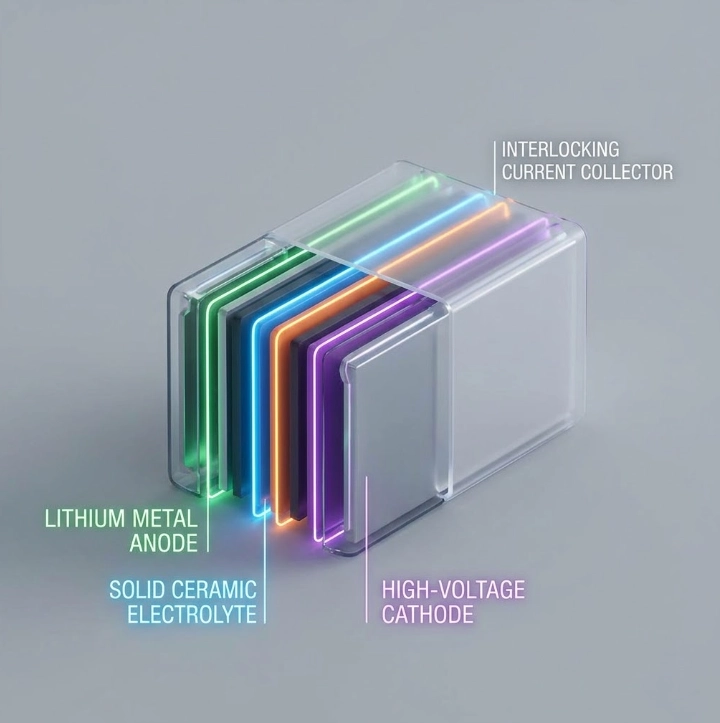
Pin trạng thái rắn represent a paradigm shift in energy storage. The defining characteristic of an SSB is the complete replacement of the flammable liquid electrolyte with a solid electrolyte material—typically a ceramic, polymer, or sulfide-based compound. This single architectural change unlocks a cascade of benefits that seem tailor-made for advanced robotics.
What Makes Solid-State Different?
By utilizing a solid electrolyte, these batteries can often employ a pure lithium metal anode instead of the heavier, bulkier graphite anode used in traditional Li-ion cells. This allows for a much tighter packing of energy. Furthermore, the solid layer acts as a physical barrier that dramatically reduces the formation of dendrites—tiny, needle-like structures of lithium that grow over time in liquid electrolytes and cause short circuits.
Why Solid-State is Highly Anticipated
The advantages of solid-state technology directly address the biggest pain points in robotics:
- Mật độ năng lượng chưa từng có: SSBs can potentially reach energy densities of 400 to 500 Wh/kg. This means a robot could operate twice as long on a single charge without increasing the battery’s weight, or maintain its current runtime while shrinking the battery size and weight by half.
- An toàn tối đa: Without the flammable liquid, the risk of thermal runaway is virtually eliminated. Robots equipped with SSBs can operate safely in extreme temperatures, high-vibration environments, and in close proximity to humans without requiring thick, heavy armor plating for the battery pack.
- Tuổi thọ kéo dài: The physical stability of the solid electrolyte limits internal degradation, potentially allowing for thousands of additional charge cycles compared to traditional Li-ion. This drastically reduces the total cost of ownership (TCO) for fleet operators.
- Rapid Charging: Solid-state technology can accept high charging currents with less risk of overheating, meaning an industrial robot could potentially recharge in a fraction of the time, minimizing operational downtime.
The Hurdles to Mass Adoption
If solid-state is so superior, why isn’t it in every robot today? The primary barrier is manufacturability. Creating a solid electrolyte that maintains perfect, uninterrupted contact with the electrodes as they expand and contract during charging is immensely difficult at scale. Consequently, production yields are currently low, making SSBs significantly more expensive than Li-ion. While pilot lines are running and early commercialization is underway, true mass-market parity with Li-ion is still a few years away.
Robotics Battery Comparison
To truly understand how these technologies stack up against each other, engineers must evaluate them across a matrix of critical performance indicators. Let’s dive into a detailed so sánh pin robot to highlight the stark contrasts.
| Tính năng / Số liệu | Traditional Lithium-Ion (Li-ion) | Pin trạng thái rắn (SSB) | Impact on Robotics |
|---|---|---|---|
| Trạng thái điện giải | Liquid or Gel | Solid (Ceramic, Polymer, Sulfide) | Determines safety and structural integrity. |
| Mật độ năng lượng | 150 – 250 Wh/kg | 350 – 500+ Wh/kg | SSBs allow for lighter robots or dramatically longer operational runtimes. |
| Hồ sơ an toàn | Moderate (Risk of thermal runaway) | Excellent (Non-flammable, no leaks) | SSBs eliminate the need for heavy cooling and armor, saving weight. |
| Chu kỳ sống | 1,000 – 3,000 cycles | 5.000 – 10.000+ chu kỳ | SSBs lower the long-term operational costs by reducing replacement frequency. |
| Tốc độ sạc | Moderate (Heat limits fast charging) | Extremely Fast (Less heat generation) | SSBs increase robot uptime and productivity in industrial settings. |
| Operating Temps | -20°C to 60°C (requires thermal management) | -40°C to 100°C (Highly resilient) | SSBs enable robots to operate in extreme environments (space, deep sea, foundries). |
| Chi phí hiện tại | Low to Moderate (Highly commoditized) | High (Currently in early commercial stages) | Li-ion remains the economical choice for budget-constrained projects. |
This comparison highlights that while Li-ion wins on current economics and availability, Solid-State is the unequivocal winner in sheer performance and safety.
Selecting the Optimal Robot Power Solution by Application
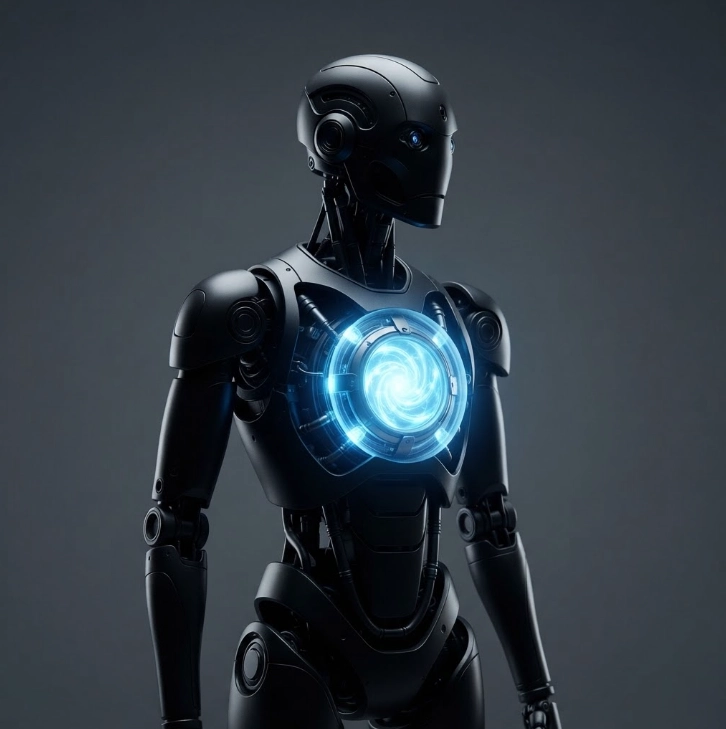
The decision between these two technologies is not made in a vacuum. The ideal choice depends entirely on the specific application, environment, and physical constraints of the robotic system being designed.
Unmanned Aerial Vehicles (UAVs) and Drones
For aerial robotics, gravity is the ultimate enemy. Every gram of weight saved translates directly to increased payload capacity or extended flight time. In this sector, Solid-State is a revolutionary technology. A drone utilizing an SSB can carry heavier sensors (like LiDAR or advanced multi-spectral cameras) or fly for an hour instead of 30 minutes. As SSB costs decrease, they will completely cannibalize the Li-ion market in aerial robotics.
Autonomous Mobile Robots (AMRs) and Warehouse AGVs
In a logistics warehouse, weight is rarely the primary constraint; these robots are already heavy, and their low center of gravity is often beneficial. Here, the priority is Cost and Cycle Life. Currently, LFP Lithium-Ion batteries dominate this space. They are incredibly cheap, reliable, and last for thousands of cycles. Until Solid-State prices drop significantly, traditional Li-ion will remain the dominant giải pháp năng lượng robot for ground-based logistics. However, the fast-charging capabilities of SSBs may eventually win over fleet operators looking for 24/7 continuous operation with zero battery-swap downtime.
Humanoid and Bipedal Robots
Humanoid robots are perhaps the most complex machines currently in development. They require high bursts of power to actuate joints, they need to be lightweight to maintain balance, and because they are designed to interact intimately with humans in homes and workplaces, they must be flawlessly safe. A compromised battery resulting in a fire in a domestic setting is an unacceptable risk. Therefore, humanoids are the perfect candidates for Solid-State batteries. The high energy density allows for a slimmer, more human-like form factor, while the absolute safety profile ensures consumer trust.
Medical and Surgical Robotics
Surgical robots require uninterrupted, perfectly stable power. They operate in sterile environments where battery out-gassing or overheating is strictly prohibited. While corded power is often used, battery backups or fully untethered microrobots demand the highest safety standards available. Solid-state technology is highly favored in biomedical engineering for its chemical stability and safety.
Critical Engineering Considerations
Designing or selecting a pin dành cho robot requires deep understanding of system integration. The battery cannot be treated merely as a fuel tank; it is a vital, integrated organ of the machine.
Battery Management Systems (BMS) and AI
Whether using Li-ion or Solid-State, advanced robotics require incredibly sophisticated Battery Management Systems. The BMS monitors individual cell voltages, balances the charge, and manages thermal output. With the advent of generative AI and machine learning, modern BMS can predict battery degradation, optimize charging curves based on the robot’s upcoming tasks, and dynamically allocate power to different sub-systems to extend runtime. When transitioning from Li-ion to Solid-State, engineers must entirely reprogram the BMS, as the charge/discharge curves and internal resistance profiles of solid electrolytes are vastly different from liquids.
Form Factor and Structural Batteries
One of the most exciting developments in robotics engineering is the concept of structural batteries. Because solid-state cells do not contain volatile liquids and are rigid, they can literally be built into the chassis of the robot. Instead of having a dedicated “battery box,” the structural frame, limbs, or torso of the robot itself can store energy. This dual-purpose engineering drastically reduces overall weight and maximizes space efficiency.
Thermal Management Systems
Traditional Li-ion batteries require dedicated thermal management. If a heavy-duty robot is operating at peak capacity, the battery generates immense heat. Engineers must include fans, heat sinks, or liquid cooling loops, which add weight and draw parasitic power from the battery itself. Because SSBs generate significantly less heat under heavy load, these thermal management systems can be downsized or eliminated entirely, further optimizing the robot’s design.
Phần kết luận
The debate over the optimal pin dành cho robot does not have a single, universal answer today.
If you are developing a robot in 2026 where cost is the primary driving factor, or if the robot is a heavy, ground-based unit where weight is not an issue (like an industrial AMR), Lithium-Ion (specifically LFP) remains the most logical, economically sound choice. The technology is proven, the supply chains are robust, and the performance is well understood.
However, if you are designing next-generation robotics—drones that must fly further, humanoids that must seamlessly blend power with human-level safety, or micro-robotics constrained by extreme space limitations—Công nghệ bán dẫn is the undisputed future. A comprehensive so sánh pin robot makes it clear that the performance ceiling of SSBs completely outclasses liquid-based chemistries.
As manufacturing scales up and costs inevitably fall over the next few years, Solid-State will shift from being a premium, niche technology to the foundational power source of the global robotics revolution.
Câu hỏi thường gặp
Can I upgrade my current robot’s power system from Lithium-Ion to a Solid-State battery?
Yes, but it is rarely a simple “plug-and-play” swap. While you can match the voltage, Solid-State batteries have completely different discharge curves, internal resistance, and thermal profiles. Upgrading requires replacing or completely reprogramming the robot’s Battery Management System (BMS) to ensure it correctly reads the charge levels and doesn’t damage the new cells. Additionally, the physical mounting might need adjustment due to the smaller form factor of SSBs.
How does cold weather affect Solid-State batteries compared to Lithium-Ion in outdoor robots?
Outdoor robots (like agricultural or delivery drones) suffer greatly in winter, as cold weather slows down the chemical reactions in Lithium-Ion liquid electrolytes, severely reducing range and power output. Solid-State batteries handle extreme temperatures much better. Many advanced solid electrolytes maintain high ionic conductivity even at sub-zero temperatures (-20°C to -40°C), meaning an outdoor robot with an SSB will experience far less performance degradation in the winter compared to its Li-ion counterpart.
When will Solid-State batteries become cost-competitive for everyday commercial robotics?
While Solid-State batteries are currently deployed in premium applications (aerospace, specialized medical devices, and high-end automotive testing), achieving price parity with highly commoditized Lithium-Ion is an ongoing process. Industry analysts and supply chain forecasts project that as major pilot lines scale into gigafactories, costs will drop significantly. While exact timelines vary, most consensus points to SSBs becoming highly cost-competitive for broader commercial robotics by the late 2020s to early 2030s.