









So sánh hiệu năng ở nhiệt độ cao: Pin thể rắn, pin lithium và pin axit chì.
Thời gian phát hành: 22/07/2026
Mục lục
As global industries push the boundaries of technology, the demand for reliable energy storage solutions in extreme conditions has never been higher. From automotive engineering in scorching desert climates to aerospace applications, industrial manufacturing, and advanced sensor networks, thermal management is a critical factor in energy storage. Finding a reliable temperature tolerance battery is no longer a niche requirement; it is a fundamental necessity for modern engineering and infrastructure.
Heat is the ultimate enemy of electrochemical energy storage. Elevated temperatures accelerate degradation, increase the risk of catastrophic failure, and drastically reduce the operational lifespan of power cells. To navigate these challenges, engineers and purchasing managers must understand the nuanced differences between various battery chemistries. This comprehensive guide provides an in-depth comparison of three primary technologies: traditional lead-acid, standard lithium-ion, and emerging solid-state technologies, specifically focusing on their high-temperature performance capabilities.
The Challenge of High Temperatures in Energy Storage
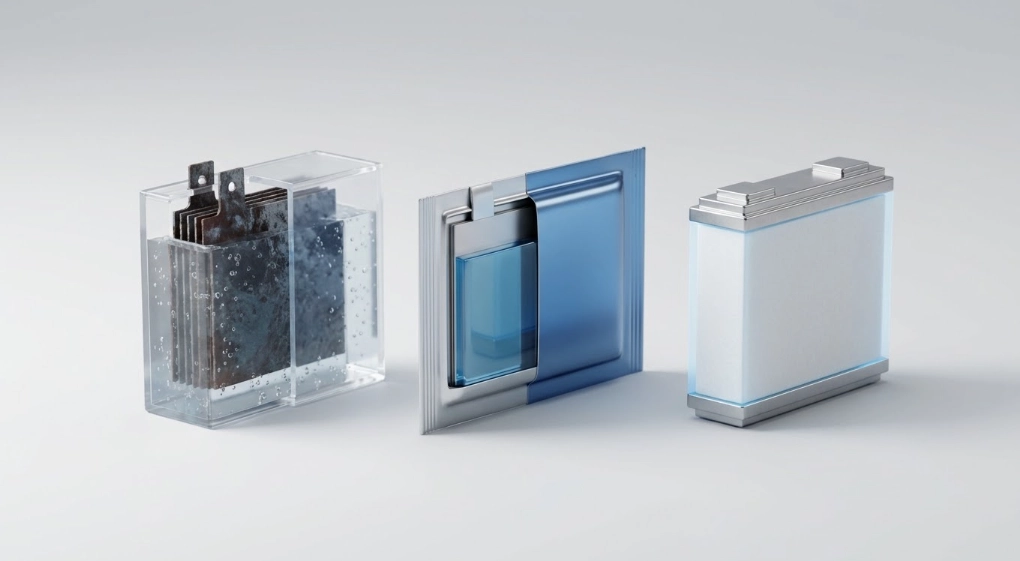
Before diving into specific chemistries, it is crucial to understand how heat interacts with battery components. All batteries operate on the principles of electrochemistry, where ions move between an anode and a cathode through an electrolyte. This movement generates an electrical current. However, these chemical reactions are highly sensitive to temperature fluctuations.
Operating a battery in harsh environment conditions—specifically high heat—triggers several adverse internal mechanisms:
- Accelerated Chemical Reactions: According to the Arrhenius equation, the rate of a chemical reaction roughly doubles for every 10°C increase in temperature. While this might temporarily lower internal resistance and boost power output, it rapidly accelerates unwanted parasitic side reactions that degrade internal components.
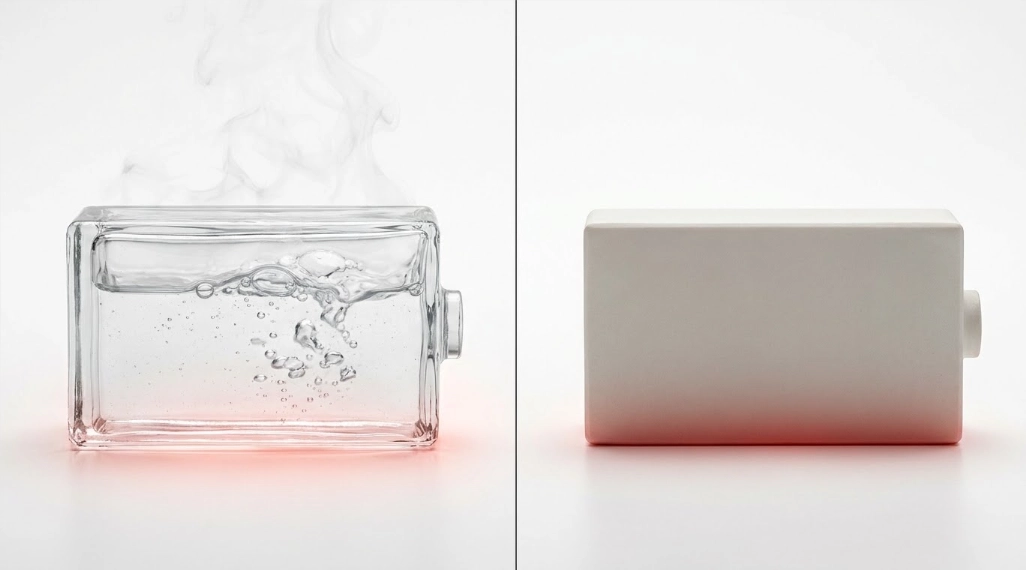
- Electrolyte Degradation: Liquid electrolytes, common in traditional cells, can vaporize, boil, or chemically break down when exposed to excessive heat, leading to swelling, leakage, or loss of conductivity.
- Thermal Runaway Risk: This is a dangerous chain reaction where an increase in temperature changes the conditions in a way that causes a further increase in temperature. If left unchecked, thermal runaway results in fires or explosions.
- Capacity Fade: High temperatures cause irreversible damage to the active materials in the electrodes, leading to a permanent loss in the amount of energy the cell can store.
Engineers tasked with developing a wide temperature battery system must account for these failure modes, heavily influencing the choice between lead-acid, lithium-ion, and solid-state architectures.
Lead-Acid Batteries
Invented in the mid-19th century, the lead-acid battery is the oldest type of rechargeable battery. Despite its age, it remains heavily used in automotive starter motors, uninterruptible power supplies (UPS), and large-scale backup power due to its low cost and high reliability in standard conditions.
Mechanism and High-Temperature Vulnerabilities
Lead-acid batteries utilize lead dioxide as the positive plate, sponge lead as the negative plate, and a liquid sulfuric acid solution as the electrolyte. While robust at room temperature, their performance severely degrades when temperatures rise above 25°C (77°F).
When subjected to high temperatures, several critical issues arise:
- Grid Corrosion: The positive grid inside the battery corrodes at a much faster rate in hot environments. For every 10°C rise above the optimal 25°C, the lifespan of a standard lead-acid cell is effectively halved. A battery expected to last ten years at 25°C will only last about 2.5 years at 45°C.
- Water Loss (Dry Out): In flooded lead-acid variants, high heat causes the water in the electrolyte to evaporate. Even in Valve-Regulated Lead-Acid (VRLA) or Absorbent Glass Mat (AGM) types, excessive heat can cause the pressure relief valves to open, venting critical gases and drying out the internal components permanently.
- Sulfation: High temperatures can accelerate self-discharge. If the battery remains in a partially discharged state, lead sulfate crystals harden on the plates, permanently reducing capacity.
Verdict on Lead-Acid
While inexpensive, lead-acid technology is inherently unsuited for prolonged high-temperature exposure without aggressive, active cooling systems. They require heavy maintenance in hot climates and suffer from catastrophic lifespan reductions, making them a poor long-term investment for extreme thermal environments.
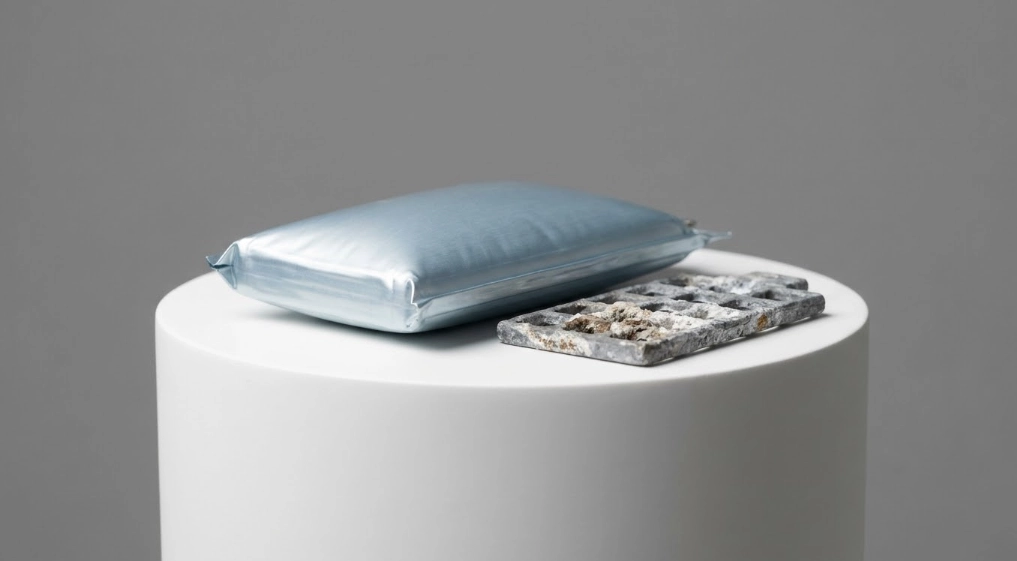
Lithium-Ion Batteries
Lithium-ion (Li-ion) technology revolutionized portable electronics and the electric vehicle (EV) market. Offering a much higher energy density, lower weight, and longer cycle life than lead-acid, Li-ion has become the default choice for modern energy storage. However, its relationship with heat is complex and potentially volatile.
Mechanism and High-Temperature Vulnerabilities
Li-ion batteries typically use a graphite anode, a lithium metal oxide cathode, and a liquid lithium salt electrolyte. They perform optimally between 15°C and 35°C.
When exposed to temperatures exceeding 45°C to 50°C, the following occurs:
- SEI Layer Breakdown: The Solid Electrolyte Interphase (SEI) is a protective layer on the anode. At high temperatures (typically above 60°C), this layer begins to break down and dissolve into the electrolyte. The battery must then consume more lithium to rebuild this layer, leading to rapid, irreversible capacity loss.
- Gas Generation and Swelling: The organic liquid electrolytes used in Li-ion cells are highly volatile. Under high heat, they decompose and generate gases (like oxygen and carbon dioxide). This causes the battery pouch or cylindrical casing to swell, potentially leading to mechanical rupture.
- The Threat of Thermal Runaway: This is the most significant drawback of Li-ion in high heat. The liquid electrolyte is highly flammable. If internal temperatures reach critical thresholds (often around 130°C to 150°C), the separator between the anode and cathode melts, causing a massive short circuit, extreme heat generation, and a self-sustaining fire that is notoriously difficult to extinguish.
Verdict on Lithium-Ion
Li-ion batteries can operate in moderate-to-high temperatures only if paired with sophisticated Battery Management Systems (BMS) and active liquid cooling systems. While their performance far outstrips lead-acid, their inherent safety risks and reliance on volatile liquid electrolytes make them challenging to deploy independently in highly extreme thermal conditions.
Pin trạng thái rắn
The most anticipated advancement in energy storage is the development of công nghệ bán dẫn. By fundamentally altering the internal architecture of the cell, scientists have engineered a power source inherently resistant to the thermal vulnerabilities that plague traditional chemistries.
Mechanism and High-Temperature Superiority
A true solid-state battery completely replaces the volatile, flammable liquid electrolyte found in traditional Li-ion cells with a solid, non-flammable material. This solid electrolyte can be made from ceramics, sulfides, or advanced solid polymers.
This structural change fundamentally transforms high-temperature performance:
- Loại bỏ chất lỏng dễ cháy: Because there is no liquid electrolyte, the primary fuel for battery fires is removed. Solid electrolytes do not boil, vaporize, or leak, drastically reducing or entirely eliminating the risk of thermal runaway, even at temperatures exceeding 100°C.
- Độ ổn định nhiệt được nâng cao: Ceramic and sulfide-based solid electrolytes maintain their structural and chemical integrity at temperatures that would instantly destroy a lead-acid or standard lithium-ion cell. Some solid-state prototypes operate optimally at 60°C to 80°C—temperatures that require aggressive cooling in traditional systems.
- Reduced Need for Active Cooling: Because these cells do not generate dangerous gases or risk catastrophic failure in the heat, the need for heavy, complex, and energy-draining active thermal management systems is significantly reduced. This improves the overall energy density and efficiency of the entire battery pack.
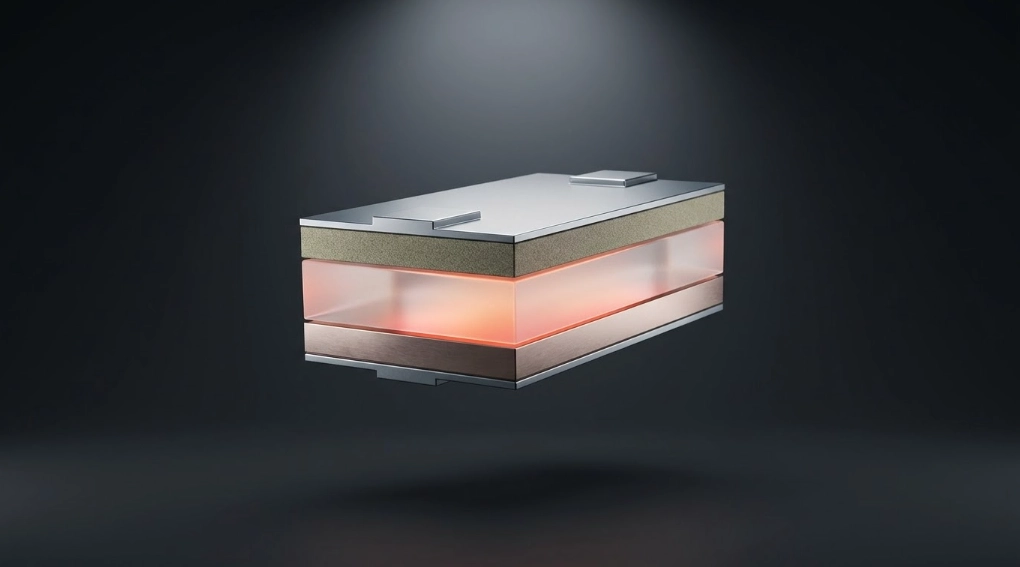
Verdict on Solid-State
Solid-state technology represents the pinnacle of high-temperature resilience. While currently more expensive and primarily in the late stages of commercialization or early premium deployment, they offer unparalleled safety and longevity in extreme heat.
So sánh
To provide a clear perspective for procurement and engineering decisions, the following table synthesizes the high-temperature performance characteristics of all three technologies.
| Tính năng / Số liệu | Axit chì | Lithium-Ion (Liquid) | Solid-State |
|---|---|---|---|
| Optimal Operating Temp | 20°C – 25°C | 15°C – 35°C | -20°C to 100°C+ (Varies by electrolyte) |
| Max Safe Operating Temp | ~45°C (Rapid degradation) | ~60°C (Requires active cooling) | 100°C+ (Highly stable) |
| Rủi ro quá nhiệt | Very Low (But vents explosive H2) | High (Flammable liquid electrolyte) | Negligible / None |
| Degradation at 50°C+ | Severe (Water loss, corrosion) | High (SEI breakdown, capacity fade) | Minimal (Structurally stable) |
| Need for Cooling Systems | Passive ventilation required | Strict active cooling/BMS required | Yêu cầu tối thiểu hoặc không yêu cầu gì cả |
| Giá thị trường hiện tại | Thấp | Moderate to High | Very High (Premium/Emerging) |
Phân tích dữ liệu
When analyzing the table, it becomes evident that traditional chemistries rely on mitigation, whereas solid-state relies on inherent stability. If your application involves a controlled environment where weight and size are not issues, heavily cooled lead-acid might suffice on a strict budget. If you are building modern electronics or standard EVs, Lithium-Ion is the logical choice, provided you invest heavily in thermal management. However, if the environment is strictly high-heat and safety is paramount, solid-state is the definitive winner.
Applications and Industry Use Cases
The necessity for high-temperature resilience dictates battery selection across several major industries.
1. Downhole Drilling and Oil/Gas Exploration
The subterranean environments encountered in oil, gas, and geothermal drilling are incredibly harsh. Temperatures regularly exceed 150°C. In these environments, traditional lithium-ion and lead-acid batteries fail immediately. Engineers seeking a reliable temperature tolerance battery for these telemetry and sensor systems rely on highly specialized chemistries, and the industry is heavily investing in solid-state advancements to provide safer, longer-lasting power deep underground.
2. Aerospace and Defense
Military hardware and aerospace vehicles undergo rapid, extreme temperature fluctuations. A jet sitting on a tarmac in the Middle East can bake in ambient temperatures exceeding 50°C, drastically heating internal components. The reduced thermal runaway risk of solid-state technology is highly attractive to the defense sector, where battery fires can result in multi-million dollar asset losses and fatal accidents.
3. Electric Vehicles in Hot Climates
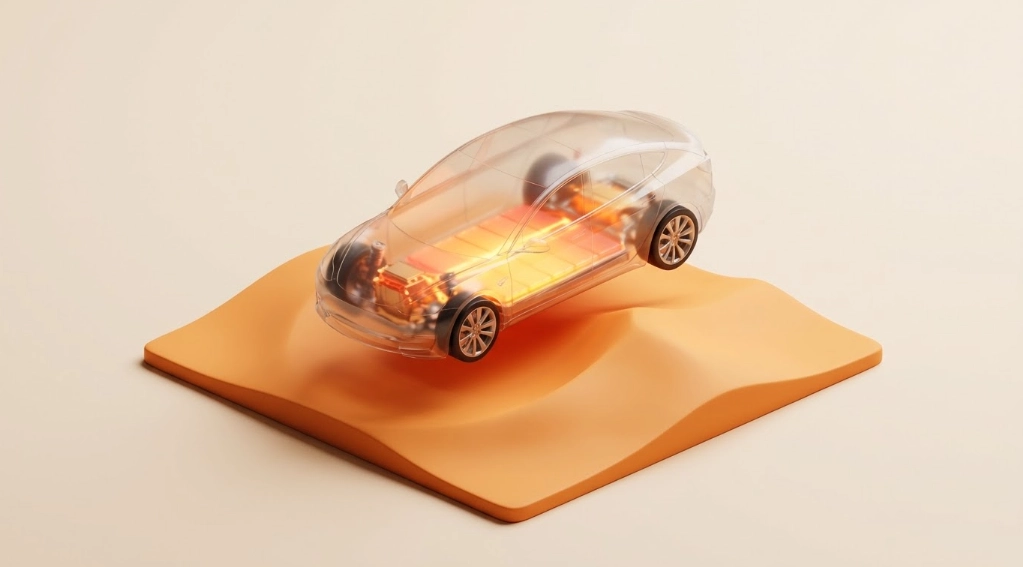
For EVs operating in regions like the American Southwest, the Middle East, or parts of Australia, high ambient heat puts immense strain on lithium-ion battery packs. The vehicle must expend a massive amount of stored battery energy just to run the liquid cooling pumps and chillers to keep the battery from degrading. Transitioning to solid-state architecture will allow future EVs to allocate that energy to driving range instead of cooling, vastly improving efficiency in hot climates.
Future Trends and Innovations
The energy storage landscape is evolving rapidly. Designing a wide temperature battery is currently the holy grail for materials scientists.
We are seeing immense capital flow into scaling up solid-state manufacturing. Companies are exploring composite electrolytes—combining the flexibility of polymers with the thermal stability of ceramics—to create cells that can be manufactured using existing lithium-ion factory equipment.
Furthermore, advancements in high-temperature lithium-ion chemistries, such as Lithium Titanate (LTO), offer a middle ground. LTO batteries swap the standard graphite anode for lithium titanate nanocrystals, providing a much higher thermal threshold and operating safely up to 65°C without thermal runaway, though at the cost of lower overall energy density.
Phần kết luận
The battle against heat in energy storage is a defining challenge of modern engineering. While Lead-Acid batteries provide cheap, baseline power, they are fundamentally crippled by high temperatures, suffering from rapid water loss and grid corrosion. Standard Lithium-Ion batteries offer superior energy metrics but introduce severe safety risks and accelerated degradation when exposed to heat, necessitating complex and expensive cooling systems.
When evaluating a pin thể rắn for extreme heat, the advantages are undeniable. By removing the volatile liquid electrolyte, solid-state technology fundamentally solves the thermal runaway problem and operates comfortably in temperatures that destroy traditional cells. While the initial capital expenditure for solid-state technology is currently high, the long-term ROI—realized through extended lifespans, removal of cooling systems, and absolute safety—makes it the definitive choice for the future of high-temperature energy storage.
Câu hỏi thường gặp
Why does my device’s battery drain faster when exposed to direct sunlight or high heat?
High heat accelerates the internal chemical reactions within the battery. While this can sometimes briefly increase the immediate power output, it rapidly speeds up parasitic side reactions that permanently damage the internal structure (like the SEI layer in lithium-ion cells). This causes the battery to lose its maximum capacity, making it appear to drain much faster over time.
Is it safe to use a standard lithium-ion battery in harsh environment settings, like a desert off-grid solar setup?
Using a standard lithium-ion battery in harsh environment settings with extreme heat is not recommended unless it is paired with a robust Battery Management System (BMS) and active environmental cooling (like air conditioning for the battery enclosure). Without cooling, temperatures over 45°C-50°C will drastically reduce the battery’s lifespan and increase the risk of dangerous thermal runaway.
Will solid-state batteries completely replace lithium-ion and lead-acid batteries soon?
While solid-state batteries offer vastly superior safety and high-temperature performance, they will not instantly replace all other types. Lead-acid will remain relevant for ultra-low-cost, stationary applications. Standard lithium-ion will continue to dominate consumer electronics and standard EVs for years due to massive existing manufacturing infrastructure. Solid-state will initially dominate premium markets (like high-end EVs, aerospace, and extreme industrial applications) before economies of scale eventually lower prices for everyday consumer use.