










What is a Solid-State Battery?
Release time: 2026-05-04
The global transition toward renewable energy and electrified transportation hinges on one critical component: energy storage. For decades, traditional lithium-ion batteries have powered everything from our smartphones to electric vehicles (EVs). However, as demands for higher energy density, faster charging times, and absolute safety reach unprecedented levels, the limitations of conventional battery technology have become apparent. Enter the solid-state battery—a revolutionary leap in power storage technology that promises to reshape industries.
But exactly what is a solid-state battery? How does it differ from the batteries we use today, and why is the global tech and automotive world investing billions into its development? In this comprehensive guide, we will explore the underlying science, the various form factors shaping its commercialization, its unparalleled safety features, and what the future holds for this transformative technology.
1. Understanding the Basics: What is a Solid-State Battery?
To understand what a solid-state battery is, we must first look at how conventional lithium-ion batteries work. A standard lithium-ion battery consists of three main components: an anode (negative electrode), a cathode (positive electrode), and a liquid or gel electrolyte separating them. During charging and discharging, lithium ions move back and forth between the anode and cathode through this liquid electrolyte.
While effective, liquid electrolytes have significant drawbacks. They are typically composed of volatile organic solvents that are highly flammable. They also limit how much energy the battery can store and how fast it can charge, as charging too quickly can cause lithium dendrites—microscopic, needle-like structures—to grow across the liquid, potentially piercing the separator and causing a short circuit.
A solid-state battery replaces this liquid or polymer gel electrolyte with a solid conductive material. This solid electrolyte can be made from various materials, including ceramics (oxides or sulfides), glass, or solid polymers. By utilizing a solid medium for ion transfer, these batteries unlock a cascade of benefits that traditional liquid-based batteries simply cannot achieve.
The Science of Solid Electrolytes
The magic of solid-state technology lies in the solid electrolyte’s ability to conduct ions just as well—if not better—than a liquid, while simultaneously acting as a robust physical barrier.
- Sulfide-based solid electrolytes: Known for their excellent ionic conductivity, making them a top choice for high-performance EVs.
- Oxide-based solid electrolytes: Renowned for their incredible chemical and thermal stability, though they can be brittle.
- Solid polymer electrolytes: Flexible and easier to manufacture using existing battery production lines, though they often require higher operating temperatures to conduct ions efficiently.
2. Key Form Factors: Shaping the Next Generation of Power
Just like traditional batteries, solid-state batteries are not one-size-fits-all. They are being developed in different physical formats (form factors) to suit various applications, from ultra-thin wearable devices to massive electric vehicle battery packs. The structural design plays a crucial role in managing the internal pressure and maximizing the energy density of the solid-state cells.
The Pouch-Type Laminated Solid-State Battery
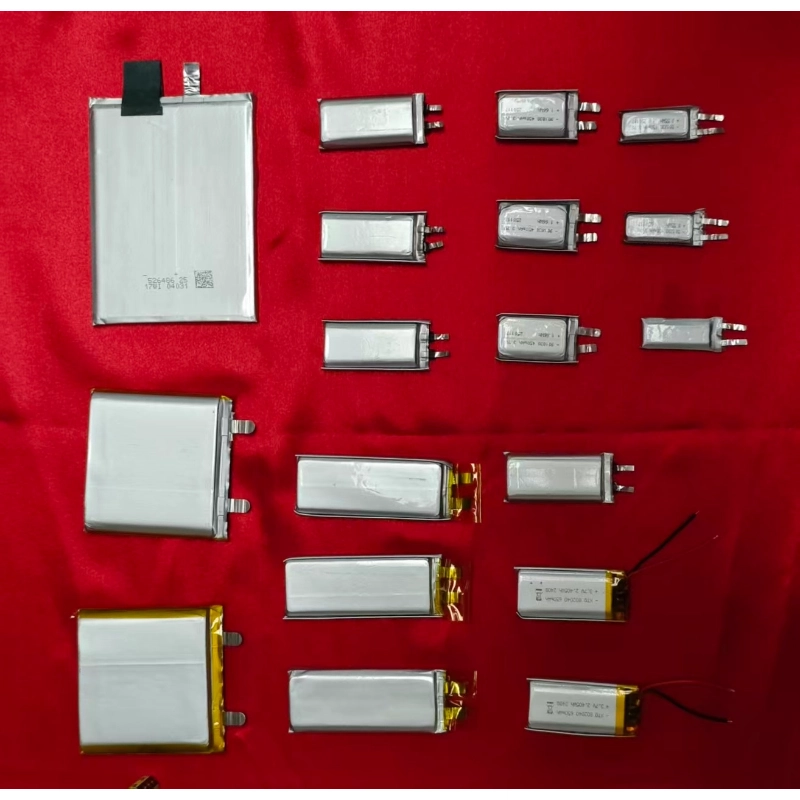
One of the most prominent formats in advanced battery development is the Pouch-Type Laminated Solid-State Battery. In this design, the solid electrolyte, anode, and cathode are stacked in ultra-thin, flat layers and enclosed in a flexible, aluminum-coated plastic film (the pouch).
The pouch-type design offers exceptional spatial efficiency. Because it lacks a rigid metal casing, it is significantly lighter, allowing for a higher gravimetric energy density (more power per kilogram). The laminated structure is particularly advantageous for solid-state chemistry because it provides a large surface area for efficient ion exchange across the solid-to-solid interfaces.
Furthermore, the pouch design is highly customizable in terms of footprint, making it ideal for consumer electronics like smartphones, laptops, and specialized aerospace equipment where space is at an absolute premium. However, managing the mechanical pressure within a pouch-type laminated solid-state battery is a complex engineering challenge. Solid electrolytes require consistent, uniform pressure across their layers to maintain optimal contact and prevent performance degradation over time. Advanced manufacturing techniques are currently being refined to ensure these laminated structures remain perfectly compressed throughout their lifespan.
The Cylindrical Solid-State Battery
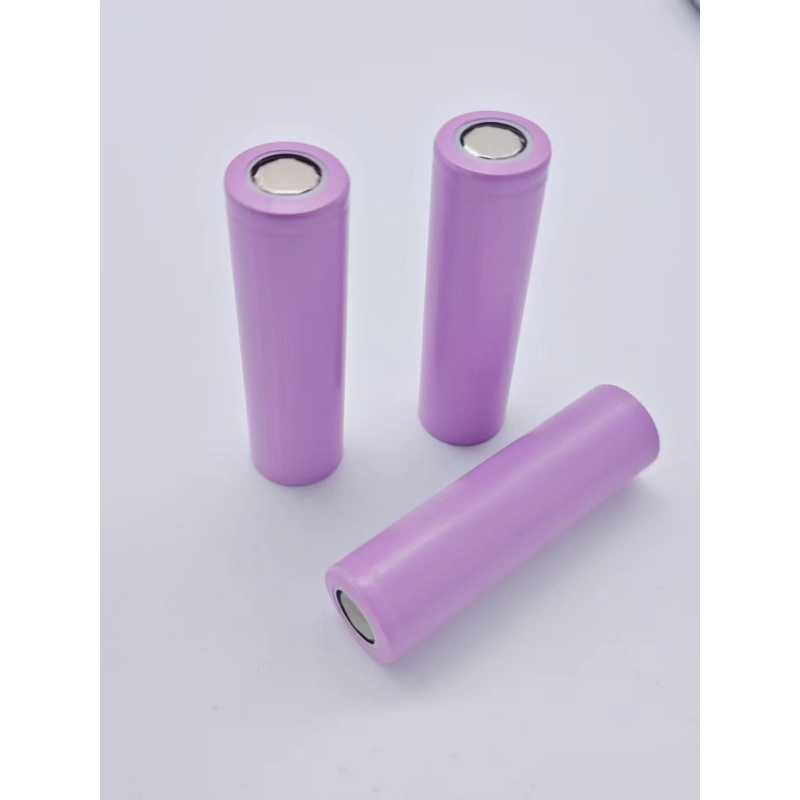
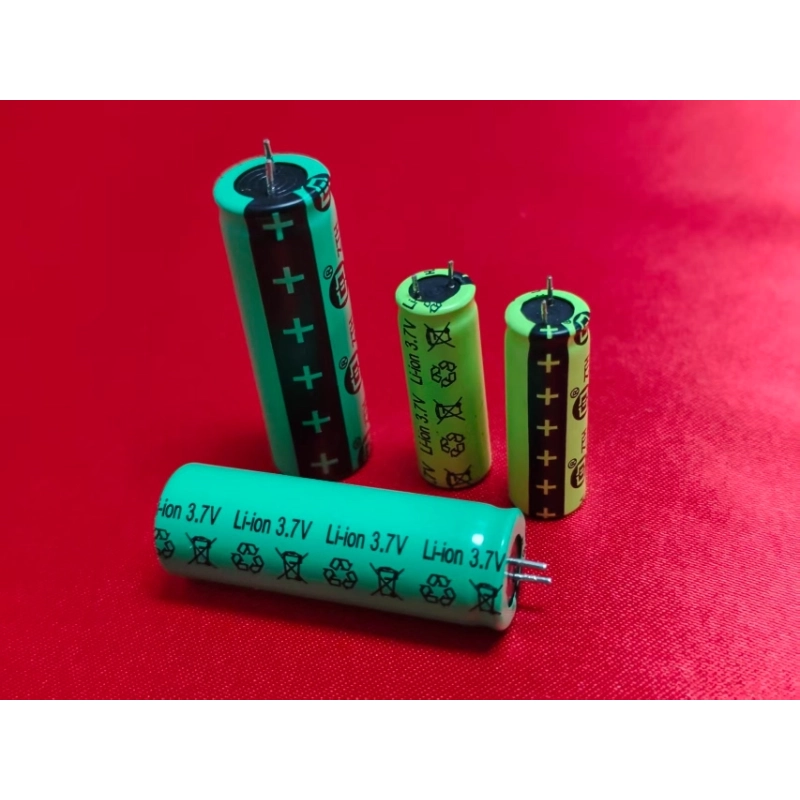
On the other end of the spectrum is the Cylindrical Solid-State Battery. Familiar to most consumers as the shape of standard AA batteries or the large 4680 cells used by leading EV manufacturers, the cylindrical format involves rolling the anode, solid electrolyte, and cathode into a tight spiral (often called a “jelly roll”) and housing it in a rigid metal cylinder.
The cylindrical solid-state battery offers distinct advantages, particularly in structural integrity and manufacturing scalability. The rigid metal casing naturally applies and maintains internal pressure, which is highly beneficial for keeping the solid electrolyte layers in close contact with the electrodes. This format is incredibly robust, highly resistant to external physical impacts, and excels in thermal management, as the spaces between cylindrical cells in a battery pack allow for effective cooling channels.
From a manufacturing standpoint, the cylindrical solid-state battery is highly attractive because it can potentially leverage existing, highly automated cylindrical battery production lines with fewer modifications than pouch cells. For the electric vehicle industry, which requires millions of highly standardized, durable cells, the cylindrical format remains a frontrunner for mass-market solid-state adoption.
3. Unmatched Safety: The Era of Non-Flammable Power
Perhaps the most significant driver behind the push for solid-state technology is safety. Traditional lithium-ion batteries, while generally safe under normal conditions, carry a persistent risk of “thermal runaway”—a chain reaction of rapid heating that can lead to fires or explosions if the battery is damaged, overcharged, or exposed to extreme heat. This is almost entirely due to the flammable liquid electrolytes.
By replacing the liquid with a solid, solid-state batteries virtually eliminate these catastrophic risks.
The Fire-Resistant Solid-State Battery
At its core, a Fire-Resistant Solid-State Battery fundamentally alters the chemical safety profile of energy storage. Solid electrolytes—especially inorganic ceramics like oxides and sulfides—are inherently non-flammable. They do not contain the volatile organic solvents that serve as fuel in a traditional battery fire.
Even if a fire-resistant solid-state battery is subjected to extreme external temperatures that would cause a traditional battery to burst into flames, the solid electrolyte remains stable. It will not vaporize, ignite, or propagate a fire. This incredible thermal stability means that EVs equipped with solid-state batteries will require far less bulky and heavy cooling/fire-suppression systems, further reducing the weight of the vehicle and increasing its overall efficiency and range. For applications in aviation, aerospace, and home energy storage, this fire-resistant nature is not just a benefit; it is a transformative safety standard.
The Explosion-Proof Solid-State Battery
Beyond resisting fire, the structural mechanics of solid electrolytes create an Explosion-Proof Solid-State Battery. In conventional batteries, when the liquid electrolyte overheats, it vaporizes, creating immense internal gas pressure. If the battery casing cannot vent this pressure fast enough, the cell can violently rupture or explode.
Because solid-state batteries contain no liquids to boil and vaporize, there is virtually zero risk of hazardous gas generation during a malfunction. Even in the event of severe mechanical damage—such as a catastrophic car crash where the battery pack is crushed or pierced by a sharp object—the explosion-proof solid-state battery will not explode. The solid barrier prevents the anode and cathode from creating a massive, sudden short circuit, and the absence of pressurized flammable gas means the cell simply ceases to function rather than turning into a volatile hazard. This inherent, fail-safe chemistry is why military, medical, and automotive sectors consider solid-state technology the holy grail of battery safety.
4. The Major Advantages of Solid-State Technology
Beyond form factors and safety, what makes a solid-state battery superior to current technology?
- Massively Increased Energy Density: Solid electrolytes are better at suppressing lithium dendrites. This allows engineers to use pure lithium metal for the anode instead of the heavier, bulkier graphite used today. A lithium-metal solid-state battery can hold 2 to 3 times more energy in the same physical space, potentially doubling the range of an electric vehicle on a single charge.
- Lightning-Fast Charging: Because solid electrolytes can operate safely at higher currents without the risk of dendrite-induced short circuits or liquid overheating, they can be charged much faster. While current EVs might take 30 to 45 minutes to fast-charge, solid-state batteries could potentially be fully recharged in 10 to 15 minutes, mimicking the time it takes to pump a tank of gas.
- Longer Lifespan: The degradation of liquid electrolytes over hundreds of charge cycles is what causes your phone or EV battery to lose capacity over time. Solid electrolytes are far less prone to chemical degradation and parasitic side reactions. This results in a battery that can endure thousands of charge cycles with minimal capacity loss, extending the lifespan of the device or vehicle significantly.
- Wider Operating Temperatures: Liquid electrolytes can freeze in sub-zero temperatures (ruining battery performance in winter) and become dangerously volatile in extreme heat. Solid-state batteries maintain their performance across a much wider and more extreme temperature range, performing reliably in both harsh winters and scorching summers.
5. Current Challenges and the Road to Commercialization
If solid-state batteries are so superior, why aren’t they in our cars and phones right now? The transition from laboratory breakthroughs to mass commercialization is fraught with significant engineering and economic hurdles.
- High Manufacturing Costs: The materials required for solid electrolytes (like rare metals and specialized ceramics) are currently expensive. Furthermore, manufacturing these batteries requires entirely new, highly specialized equipment and ultra-dry room conditions, requiring massive capital investment.
- Solid-to-Solid Interface Resistance: In a liquid battery, the liquid naturally coats the electrodes perfectly, ensuring smooth ion flow. In a solid-state battery, pressing two solid materials together on a microscopic level is difficult. Any tiny gaps or imperfections at the interface between the solid electrolyte and the electrodes create high electrical resistance, which bottlenecks the battery’s power output.
- Volume Expansion: During charging and discharging, the electrodes physically expand and contract. In a liquid battery, the liquid easily accommodates this movement. In a solid battery, this constant expansion and contraction can cause the solid electrolyte to crack or lose contact with the electrode over time.
Despite these challenges, major automotive giants (like Toyota, Volkswagen, and BMW) and specialized battery startups (like QuantumScape and Solid Power) are making massive strides. Pilot production lines are already operational, and we are likely to see the first commercial deployments in premium EVs and niche electronics within the latter half of this decade.
6. Conclusion: A Paradigm Shift in Power
To answer the question, “what is a solid-state battery?” is to look directly into the future of global energy. It is not merely an incremental improvement, but a fundamental paradigm shift. By swapping volatile liquids for advanced solid materials, scientists have unlocked a pathway to energy storage that is dramatically lighter, immensely more powerful, and fundamentally safe.
Whether it is packaged tightly as a Pouch-Type Laminated Solid-State Battery for ultra-sleek devices or engineered as a robust Cylindrical Solid-State Battery for the world’s EV fleets, the core advantages remain. As researchers continue to perfect the Explosion-Proof Solid-State Battery and scale the production of the Fire-Resistant Solid-State Battery, we are standing on the brink of an era where range anxiety, battery fires, and hour-long charging times become a thing of the past. The solid-state revolution is no longer a matter of if, but when.
Frequently Asked Questions (FAQs)
Q1: When will solid-state batteries be widely available in electric vehicles (EVs)?
A1: While small-scale pilot production has already begun, widespread commercial availability in mass-market EVs is expected between 2027 and 2030. Initially, they will likely debut in premium or high-performance vehicles due to higher initial manufacturing costs. As production scales up and manufacturing techniques are optimized, costs will decrease, allowing solid-state batteries to replace traditional lithium-ion batteries in standard consumer vehicles in the 2030s.
Q2: Are solid-state batteries truly 100% safe and impossible to catch fire?
A2: While no technology can claim to be entirely indestructible under every conceivable scenario, solid-state batteries represent a monumental leap in safety. Because they utilize non-flammable solid electrolytes instead of highly volatile, flammable liquid solvents, they are fundamentally fire-resistant and explosion-proof under normal and even severe abuse conditions (such as puncturing or extreme heat). They eliminate the specific “thermal runaway” chemical chain reactions that cause current lithium-ion battery fires.
Q3: Can solid-state batteries be recycled using current battery recycling facilities?
A3: The transition to solid-state technology will require updates to current battery recycling infrastructure. While the valuable metals inside (like lithium, nickel, and cobalt) remain highly recyclable, the methods used to extract them must be adapted. Traditional recycling often involves melting down or using chemical solvents tailored for liquid-electrolyte batteries. Solid-state batteries, particularly those using advanced ceramic or sulfide-based solid electrolytes, will require specialized hydrometallurgical or direct recycling processes to safely and efficiently separate the novel solid materials.