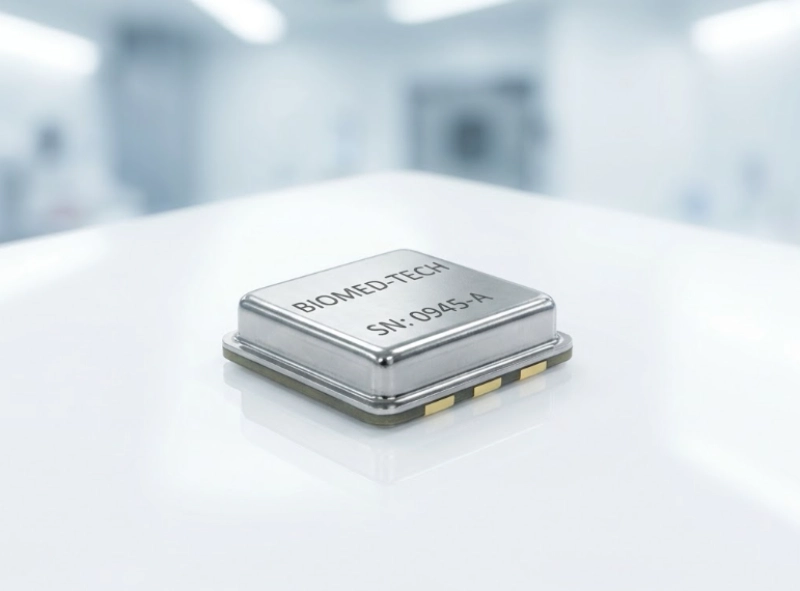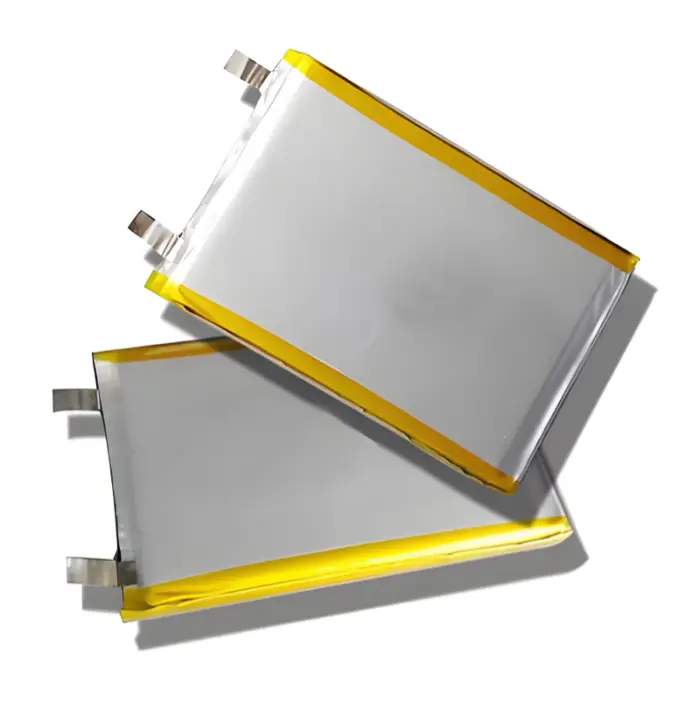










Battery Choice for e-Bikes and e-Scooters
Release time: 2026-07-26
Table of Contents
The micro-mobility revolution has fundamentally transformed urban transportation. As cities become more congested and environmental concerns take center stage, millions of commuters are turning to electrified two-wheelers for their daily transit. However, as the demand for longer range, faster charging, and absolute safety grows, the industry is bumping up against the physical limitations of traditional lithium-ion technology. The future of personal transportation hinges on a critical component: the power source. Enter the solid-state battery—a revolutionary leap in energy storage that promises to redefine how we design, ride, and maintain our electric bikes and scooters.
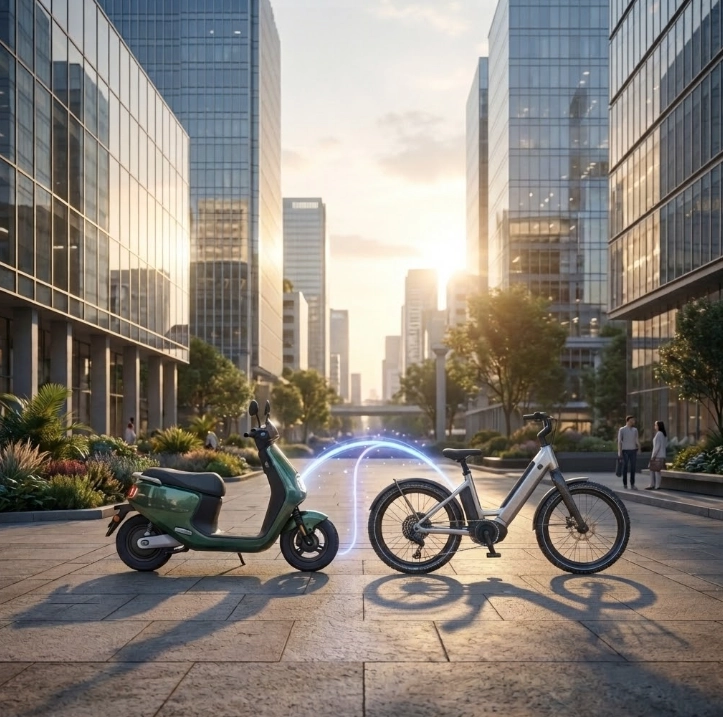
In this comprehensive guide, we will explore why solid-state technology is poised to become the ultimate standard for micro-mobility. We will delve into the science behind these power cells, compare them with current market standards, and analyze how they will shape the future of urban commuting.
The Bottleneck of Current Micro-Mobility Power
To understand the magnitude of the solid-state revolution, we must first look at the current state of energy storage. For the past decade, lithium-ion (Li-ion) technology has been the undisputed king of the portable energy world. It powered the early wave of electric vehicles, laptops, smartphones, and almost every modern mobility battery on the market today.
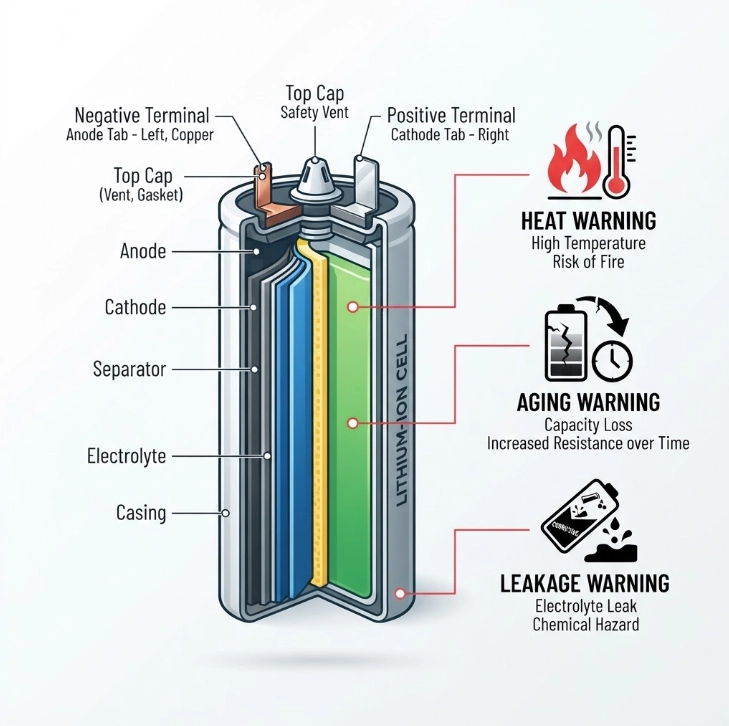
Lithium-ion cells work by moving lithium ions between a positive electrode (cathode) and a negative electrode (anode) through a liquid or gel electrolyte. While this technology has seen incremental improvements in energy density and cost reduction, it suffers from intrinsic flaws that are particularly problematic for personal transport:
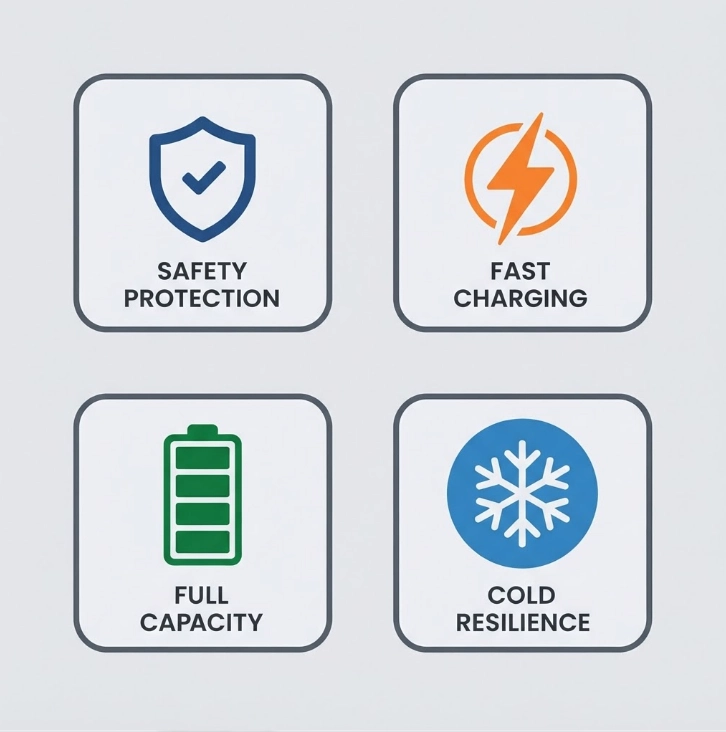
- Safety Risks (Thermal Runaway): The liquid electrolytes used in traditional Li-ion cells are highly volatile and flammable. If the cell is punctured, overcharged, or exposed to extreme heat, it can trigger a chain reaction known as thermal runaway, leading to severe fires. For devices kept inside homes or offices, this is a significant concern.
- Energy Density Plateaus: The physical and chemical limits of traditional liquid-based lithium-ion cells have largely been reached. To get more range, manufacturers must add more cells, which adds significant weight and bulk.
- Degradation and Cycle Life: Liquid electrolytes degrade over time and with repeated charging cycles. Furthermore, fast charging accelerates this degradation, meaning users have to choose between convenience and the lifespan of their investment.
- Temperature Sensitivity: Standard lithium-ion cells lose a drastic amount of their capacity in freezing temperatures, significantly reducing the winter commuting range for riders.
What is a Solid-State Battery?
At its core, a solid-state battery operates on the same fundamental principle as a traditional lithium-ion battery: ions move back and forth between an anode and a cathode to store and release electrical energy. The revolutionary difference lies entirely in the medium through which these ions travel.
Instead of utilizing a liquid or polymer gel electrolyte, solid-state batteries utilize a solid, conductive material. Researchers and manufacturers are currently experimenting with several types of solid electrolytes, including:
- Ceramics (Oxides and Sulfides): Offering incredibly high ionic conductivity and extreme resistance to high temperatures.
- Solid Polymers: Flexible and easier to manufacture, though sometimes requiring higher operating temperatures to achieve optimal conductivity.
- Glass: A highly promising avenue pushed by pioneers like John Goodenough (co-inventor of the lithium-ion cell), which could allow for the use of pure lithium metal anodes.
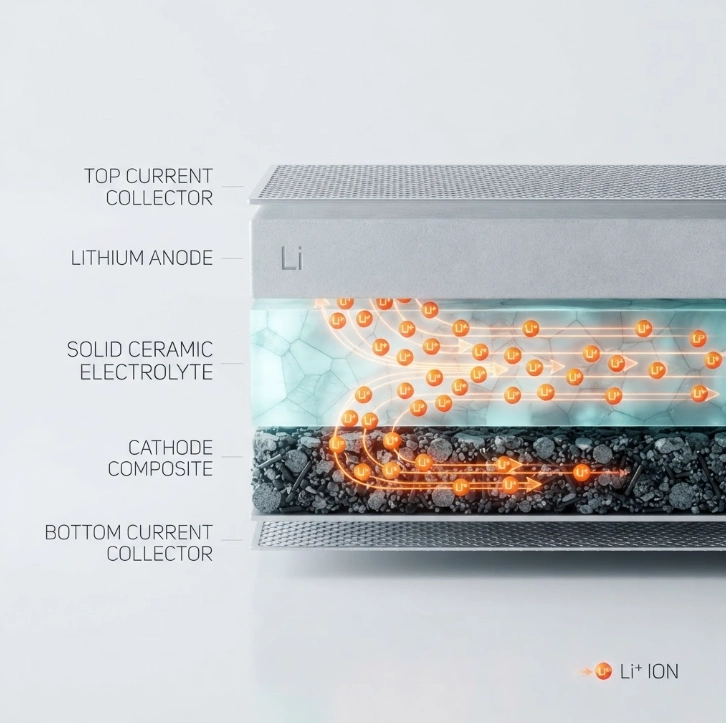
By replacing the liquid with a solid, manufacturers can also replace the traditional graphite anode with a pure lithium metal anode. This single substitution is what unlocks the massive leaps in energy density and performance that make solid-state technology so highly anticipated.
Core Advantages for Micro-Mobility
The transition from liquid to solid electrolytes isn’t just a minor chemical update; it is a paradigm shift that will dramatically enhance the user experience for riders. Here is why this technology is the ultimate choice for the future.
Traditional vs. Next-Gen Power
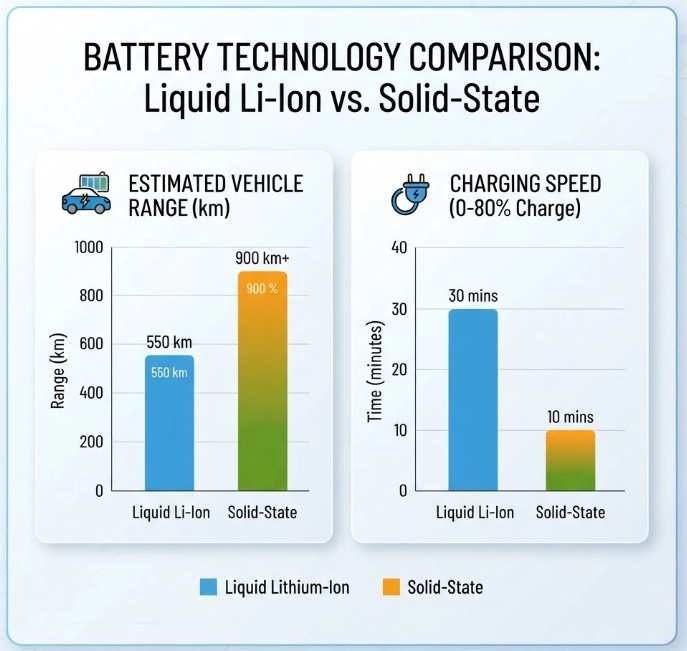
To truly grasp the generational leap this technology represents, we must look at the data side-by-side. Below is a comprehensive e-bike battery comparison outlining the stark differences between premium liquid-state Lithium-Ion and upcoming Solid-State technologies.
| Feature / Metric | Traditional Lithium-Ion (Liquid) | Solid-State Battery (Solid) | Impact on Commuter |
|---|---|---|---|
| Electrolyte Type | Liquid solvent or gel polymer | Solid ceramic, glass, or polymer | Eliminates leak and fire hazards. |
| Energy Density | 150 – 250 Wh/kg | 400 – 500+ Wh/kg | Up to double the range for the same weight. |
| Safety (Fire Risk) | Moderate to High (Thermal Runaway risk) | Zero to Extremely Low (Non-flammable) | Absolute peace of mind for indoor storage. |
| Fast Charging Time | 2 – 4 hours (to 80%) | 10 – 15 minutes (to 80%) | Minimal downtime; quick top-ups at coffee shops. |
| Cycle Life (Lifespan) | 500 – 1,000 Cycles | 5,000+ Cycles | Battery outlasts the physical vehicle. |
| Cold Weather Range | Loses up to 40% capacity in freezing temps | Highly stable, minimal capacity loss | Reliable winter commuting. |
| Current Market Cost | Low / Mass-produced | High / Prototype & Early production | Initial premium price, eventual long-term savings. |
The Impact on Vehicle Design and Aesthetics
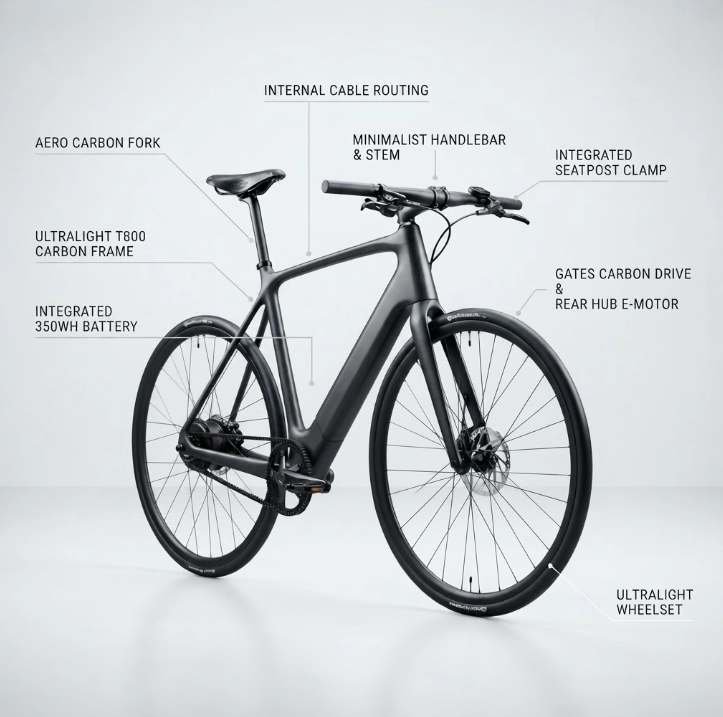
The benefits of solid-state technology extend far beyond just range and safety; they will fundamentally alter how industrial designers conceptualize electric two-wheelers.
Currently, designers must build the geometry of a bike or scooter around the massive, heavy battery pack. This often results in thick, bulky downtubes on bicycles or incredibly heavy deck bases on scooters. The integration of a true lightweight mobility battery will change everything.
Because solid-state cells are incredibly energy-dense, manufacturers can shrink the physical footprint of the power pack by 50% while maintaining the exact same range as current models. This opens the door to:
- Stealth e-Bikes: Electric bicycles that look entirely indistinguishable from sleek, traditional analog bicycles. The battery could be hidden inside thin steel or carbon fiber tubes.
- Featherweight Scooters: Commuters who have to carry their scooters up multiple flights of stairs or onto public transit will no longer have to lug around 40 to 60-pound machines. We will see high-performance, long-range scooters that weigh under 20 pounds.
- Better Handling: For high-performance mountain e-bikes and fast scooters, a lighter, more compact power source means a lower center of gravity and drastically improved agility and handling on trails or urban streets.
Environmental and Economic Implications
The shift to solid-state is not just a consumer victory; it is a vital step forward for environmental sustainability. Traditional lithium-ion batteries require toxic liquid solvents that complicate the recycling process. When a traditional battery reaches the end of its life, safely extracting the valuable metals (like lithium, cobalt, and nickel) without contaminating the environment is an expensive and chemically hazardous process.
Solid-state batteries, by lacking these volatile and toxic liquid solvents, present a much clearer path to closed-loop recycling. The solid components can be more easily dismantled, separated, and refined, allowing the raw materials to be reused in new cells with far less environmental overhead.
Furthermore, because these batteries boast a cycle life up to ten times longer than current technology, the sheer volume of battery waste entering landfills or recycling centers will plummet. Consumers will not need to replace their expensive power packs every 3 to 5 years, drastically reducing the demand for raw material mining over the long term.
Current Challenges and the Road to Mass Adoption
If solid-state technology is so vastly superior, why aren’t we seeing it on every e-bike and scooter today? The answer lies in the complexities of scaling up manufacturing.
- Manufacturing Complexities: Creating a flawless solid-electrolyte interface on a microscopic level is incredibly difficult. Any tiny imperfection between the solid electrolyte and the electrodes can increase internal resistance, killing the battery’s performance. Manufacturing these cells currently requires highly specialized, clean-room environments that are vastly different from traditional gigafactories.
- Cost of Production: Because the manufacturing processes are still in their infancy and rely on economies of scale that don’t yet exist, solid-state cells are currently much more expensive to produce than their liquid counterparts.
- Automotive Priority: The massive investments pouring into solid-state research are primarily driven by the automotive industry (major car manufacturers aiming to revolutionize electric cars). The micro-mobility sector will likely have to wait for the automotive industry to scale the technology and drive down costs before it becomes economically viable for two-wheelers.
However, the timeline is accelerating rapidly. Major battery manufacturers and tech startups are breaking through these manufacturing barriers every year. While ultra-premium e-bikes may see solid-state options in the near future, mass-market affordability is projected to hit the micro-mobility sector toward the end of the decade.
Conclusion
The era of heavy, volatile, and quickly degrading lithium-ion batteries is slowly drawing to a close. Solid-state technology represents the holy grail of energy storage: it is inherently safe, phenomenally energy-dense, lightning-fast to charge, and built to last a lifetime.
As manufacturing scales and costs decrease, the integration of solid-state cells will trigger a new golden age for electric bikes and scooters. Commuters will enjoy lighter vehicles, limitless range, and the peace of mind that comes with absolute safety. The future of urban mobility is solid, and it is approaching faster than we think.
FAQ
Are solid-state batteries safe for extreme weather conditions?
Yes, exceptionally safe. Unlike traditional liquid-based lithium-ion cells that can freeze, become sluggish, or pose thermal runaway risks in extreme heat, solid electrolytes are highly temperature-resilient. They maintain their structural integrity and power output consistency in sub-zero winters and scorching summer heat, making them ideal for all-weather commuting.
How much more range will a solid-state battery provide compared to lithium-ion?
Because they possess a much higher energy density, a solid-state cell can hold roughly 2 to 2.5 times the amount of energy as a traditional lithium-ion cell of the exact same physical size and weight. If your current setup gets 30 miles per charge, upgrading to a similarly sized solid-state pack could push your range to 60-75 miles.
When will solid-state batteries become affordable for average e-bikes?
Currently, the technology is expensive due to complex, low-volume manufacturing mostly geared toward automotive testing. However, industry experts predict that as mass production scales up for electric cars, the technology will trickle down to smaller devices. You can expect to see them as premium upgrades in the next few years, with broad, affordable mass-market availability for average e-bikes and scooters projected between 2028 and 2030.