










How Solid-State Battery Packs Are Customized for Different Devices
Release time: 2026-07-01
Table of Contents
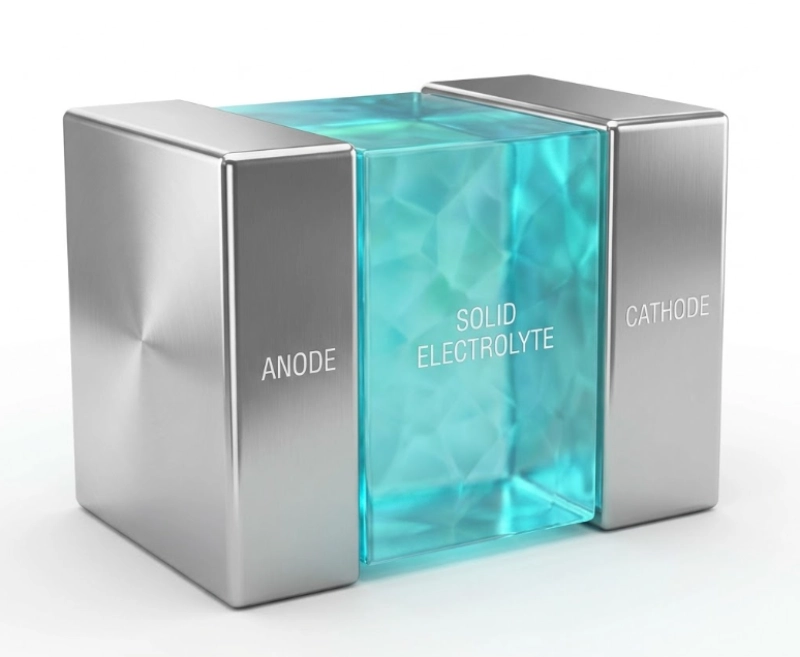
The global technological landscape is undergoing a massive transformation, driven by an insatiable demand for more efficient, safer, and longer-lasting portable power. At the heart of this revolution lies solid-state battery technology. Unlike traditional lithium-ion batteries that rely on volatile liquid electrolytes, solid-state batteries utilize a solid electrolyte material. This fundamental shift not only drastically reduces the risk of thermal runaway and fires but also opens the door to using high-capacity lithium metal anodes, significantly boosting energy density.
However, as technology diversifies, the “one-size-fits-all” approach to battery manufacturing is rapidly becoming obsolete. A drone mapping agricultural fields has vastly different power requirements than a life-saving implantable medical device or a long-range electric vehicle (EV). This necessitates a profound level of engineering and adaptation. Understanding how solid-state battery packs are customized for different devices is essential for product developers, engineers, and supply chain managers looking to leverage the next generation of energy storage.
The Imperative for Tailored Power Solutions
In the realm of advanced electronics, the power source dictates the ultimate potential of the device. If an original equipment manufacturer decides to build a revolutionary augmented reality (AR) headset, they cannot simply pull a standard battery off the shelf. The battery must fit within tight ergonomic constraints, manage heat perfectly close to the human skin, and provide enough sustained power to run high-resolution displays and complex spatial computing processors.
Customization bridges the gap between theoretical battery chemistry and practical device application. It involves a multidisciplinary approach encompassing materials science, mechanical engineering, thermal dynamics, and electrical software integration. Every parameter—from the chemical composition of the solid electrolyte to the external casing material—must be meticulously calculated and engineered.
Decoding the Core Elements of Customization
Before diving into the specific application categories, it is vital to understand the “levers” that battery engineers can pull during the customization process.
1. Electrolyte Selection
The defining feature of a solid-state battery is its electrolyte. Engineers typically choose between three main families of solid electrolytes, each offering distinct advantages for specific applications:
- Polymers: Offer excellent flexibility and are relatively easy to process. However, they typically require higher operating temperatures to achieve optimal ionic conductivity, making them better suited for large-scale energy storage or specific EV applications where thermal management systems are robust.
- Sulfides: Boast extremely high ionic conductivity, rivaling that of liquid electrolytes even at room temperature. They are excellent for high-power applications. The challenge lies in their sensitivity to moisture, requiring highly controlled manufacturing environments.
- Oxides: Extremely stable physically and chemically, offering the best safety profile. They are brittle, however, making them harder to manufacture in large, flexible formats but perfect for rigid, compact devices like medical implants or IoT sensors.
2. Form Factor and Volumetric Efficiency
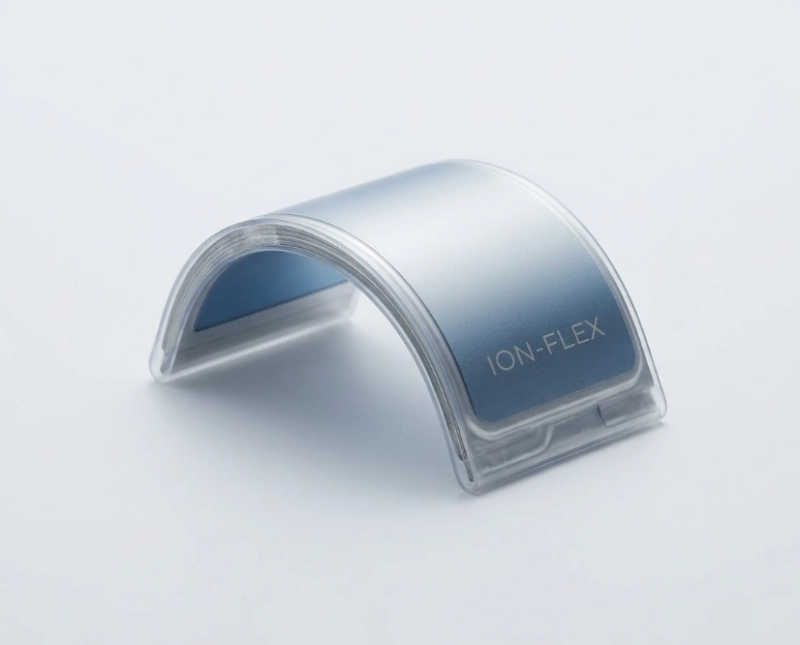
Traditional liquid batteries are heavily constrained by their packaging (typically cylindrical, prismatic, or pouch cells) because they must contain the liquid and accommodate swelling. Solid-state batteries, lacking liquid components, offer unprecedented geometric freedom. They can be manufactured in ultra-thin sheets, curved shapes to fit around a wristband, or integrated directly into the structural chassis of a device, maximizing volumetric energy density (the amount of energy stored per unit of volume).
3. Electrical Characteristics and Cell Chemistry
Beyond the physical shape, the internal chemistry is tuned. By adjusting the cathode materials (like NMC or LFP) and the anode (often pure lithium metal in solid-state designs), engineers can customize the voltage, discharge rates (C-rates), and overall capacity to match the exact load profile of the host device.
The Engineering Workflow: From Concept to Reality
The journey from a blank schematic to a fully functional power unit is rigorous and highly collaborative.
The initial phase involves deep consultations between the battery engineers and the device developers. This involves mapping out the “mission profile” of the device: What are the peak current draws? What is the continuous power requirement? What extreme temperatures will the device face? What is the expected cycle life?
Following this, the engineering team moves into computer-aided design (CAD) and multiphysics simulations. Here, they model thermal gradients, electrical flow, and mechanical stress. Achieving an optimal custom solid-state battery pack design during this digital phase is critical to minimizing trial-and-error costs later. Simulations predict how the battery will expand and contract at the microscopic level during charging and discharging, ensuring the solid electrolyte interface remains intact.
Once digital validation is complete, physical prototyping begins. This is followed by exhaustive testing, including crush tests, thermal shock tests, short-circuit tests, and long-term cycling. Only after passing these rigorous, often industry-specific certifications (like UN38.3 for transport or ISO 13485 for medical), does the custom pack move toward mass production.
Industry-Specific Adaptations of Solid-State Technology
To truly grasp the scope of customization, we must look at how solid-state battery packs are engineered differently across various high-tech sectors.
Consumer Electronics: Wearables and Smart Devices
The consumer electronics sector is characterized by a relentless drive toward miniaturization and extended battery life. For smartwatches, fitness trackers, and AR/VR goggles, space is the ultimate premium.
When engineering a solid-state battery pack for device categories within the wearable market, engineers prioritize form-fitting designs. Because solid-state batteries don’t require the bulky safety casings needed to prevent liquid leakage, they can be made incredibly thin (sometimes less than a millimeter thick) and highly customized in shape—such as a semi-circle to fill the dead space inside a watch face. Furthermore, because these devices sit directly on the user’s skin, the inherent thermal stability of solid-state chemistries provides a massive safety advantage, completely eliminating the risk of chemical burns or explosions.
Electric Vehicles (EVs) and E-Mobility
The automotive industry views solid-state technology as the “holy grail” that will finally cure range anxiety and long charging times. Customization in this sector is all about scale, high energy density, and structural integrity.
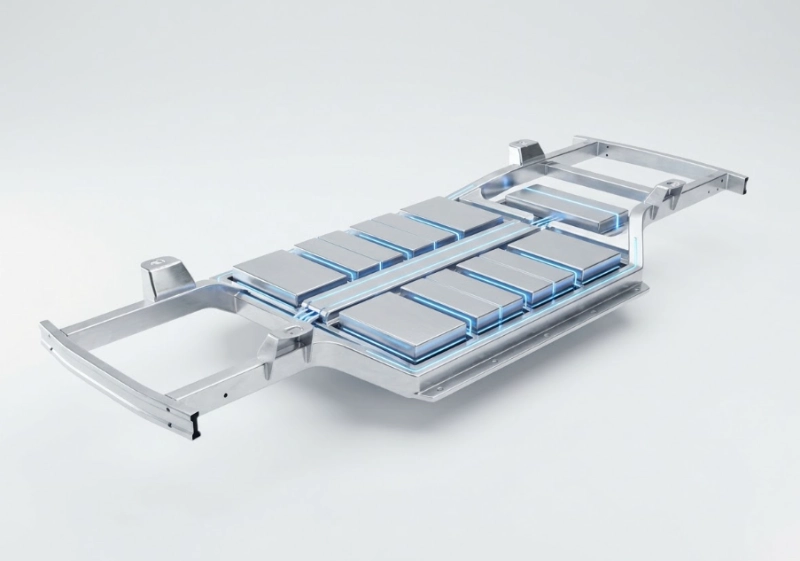
EV solid-state packs are massive and require sophisticated thermal management, though less complex than what is required for liquid lithium-ion. Customization here involves “cell-to-pack” (CTP) or “cell-to-chassis” (CTC) architectures. By leveraging the rigid nature of oxide or sulfide-based solid-state cells, the battery pack can actually become a load-bearing component of the vehicle’s frame, reducing overall vehicle weight. Furthermore, the chemistry is customized to accept ultra-fast DC charging without accelerating the degradation of the anode, allowing drivers to recharge in minutes rather than hours.
Medical and Healthcare Devices
In the medical field, reliability is not just a preference; it is a matter of life and death. Devices such as pacemakers, neurostimulators, and continuous glucose monitors require power sources that are impeccably safe and extremely long-lasting.
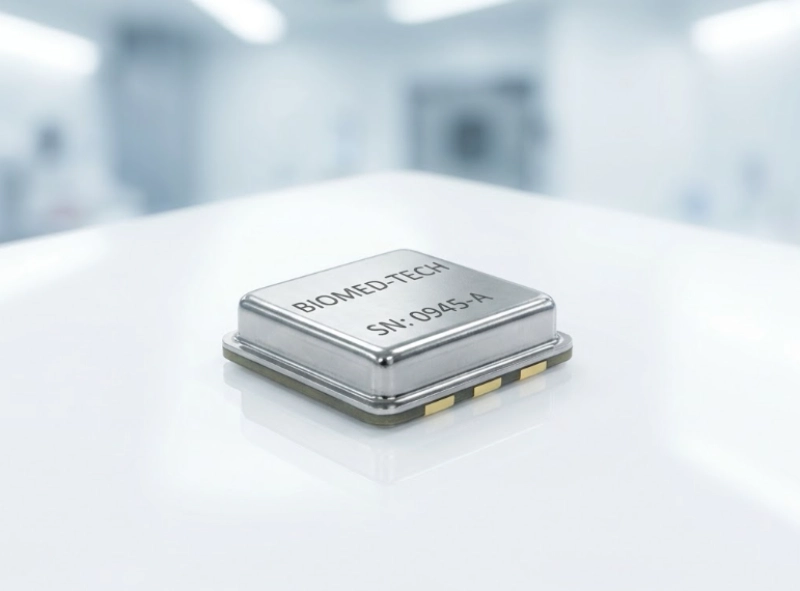
Customization for medical implants heavily favors oxide-based solid electrolytes due to their absolute chemical stability. These batteries are designed for ultra-low self-discharge rates, ensuring a device can operate inside the human body for a decade or more without requiring surgical replacement. The casing materials are also customized using biocompatible titanium or specialized polymers to prevent any adverse biological reactions.
Aerospace and Industrial Applications
Drones, satellites, and heavy industrial robotics operate in environments that would instantly destroy standard consumer batteries.
For high-altitude drones or low-earth orbit satellites, batteries face extreme temperature fluctuations (from scorching heat in direct sunlight to deep freezing in shadows) and low atmospheric pressure. Solid-state packs customized for aerospace are often engineered with specialized sulfide or polymer blends that maintain high ionic conductivity at sub-zero temperatures. They are also ruggedized to withstand intense vibrations during launch or operation. For industrial power tools, the customization focuses on delivering massive spikes of energy (high C-rates) instantly without the battery suffering thermal degradation.
Comparative Overview of Device Customization
To summarize the varying requirements, the following table illustrates how different device categories influence the customization of solid-state battery packs.
| Device Category | Primary Engineering Constraint | Preferred Solid Electrolyte | Typical Form Factor Customization |
|---|---|---|---|
| Wearables / IoT | Space constraints, user safety | Oxide or Polymer | Ultra-thin, curved, custom geometric shapes |
| Electric Vehicles | Energy density, fast charging | Sulfide or Polymer | Prismatic blocks, structural cell-to-pack |
| Medical Implants | Longevity, zero leakage, biocompatibility | Oxide | Micro-batteries, rigid titanium enclosures |
| Aerospace / Drones | Extreme temperatures, high discharge rates | Sulfide | Ruggedized enclosures, lightweight chassis |
The Role of Advanced Manufacturing and Supply Chains
Designing a custom battery is only half the battle; manufacturing it consistently at scale is an entirely different challenge. The production of solid-state batteries requires entirely different facility setups compared to traditional lithium-ion gigafactories.
For instance, handling sulfide-based solid electrolytes requires ultra-dry rooms with dew points lower than -60°C to prevent the materials from reacting with ambient moisture and creating toxic hydrogen sulfide gas.
This is where B2B partnerships become critical. When a major tech brand requires millions of units, they partner with specialized manufacturers. Selecting an experienced factory to produce an OEM solid-state battery pack guarantees that the theoretical designs are translated into physical products with negligible defect rates. These manufacturers employ advanced roll-to-roll pressing techniques, precise laser cutting for custom shapes, and automated stacking machinery specifically calibrated for delicate solid-state layers. The OEM partner also manages the intricate supply chain of rare materials like high-purity lithium foil and specialized ceramic powders, ensuring the brand’s production line never halts.
Intelligent Integration: The Battery Management System (BMS)
A physical battery pack is essentially a “dumb” reservoir of energy without a Battery Management System (BMS). Customizing the solid-state battery pack also heavily involves customizing the software and electronics that govern it.
Because solid-state batteries exhibit different internal resistance profiles and thermal behaviors compared to liquid lithium-ion, standard off-the-shelf BMS algorithms are insufficient. A custom BMS for a solid-state pack is programmed with bespoke charging algorithms. For example, solid-state batteries often require specific pressure application during charging to maintain contact between the solid layers. The BMS must monitor thousands of data points—voltage across individual cells, temperature gradients, and current flow—in real-time.
For high-end applications like EVs or robotics, the custom BMS will incorporate machine learning algorithms that adapt to the user’s specific usage patterns, optimizing the charging cycle to further extend the battery’s lifespan. It also acts as the ultimate safety gateway, instantly severing the connection if any parameter deviates from the hyper-specific customized baseline.
Future Horizons in Custom Power
As research and development in solid-state chemistry accelerate, the degree of customization will only deepen. We are looking toward an era of 3D-printed solid-state batteries, where the battery is seamlessly printed directly into the microscopic crevices of a microchip or the casing of a smartphone during the device’s assembly process.
Advances in artificial intelligence are also streamlining the customization process itself. Machine learning models can now predict how a specific combination of solid electrolytes, active materials, and casing geometries will perform over 10,000 cycles, drastically reducing the time required for the prototyping phase.
Conclusion
The transition to solid-state battery technology represents the most significant leap forward in energy storage in decades. However, the true potential of this technology is unlocked exclusively through meticulous customization. From selecting the atomic structure of the solid electrolyte to designing intelligent, adaptive software management systems, tailoring the power source to the specific demands of the device is no longer a luxury—it is a mandatory engineering requirement. As manufacturing processes scale and costs decrease, custom solid-state battery packs will become the invisible, reliable beating heart of the next generation of smart, safe, and powerful electronic devices.
FAQs
Q1: Why can’t standard solid-state batteries be used for all types of devices?
Every device has a unique “mission profile.” A smartwatch requires a battery that is ultra-thin and safe near the skin, while a power tool requires massive bursts of current. Standardizing a single solid-state battery would mean compromising on performance, size, or safety for almost every device. Customization ensures the voltage, physical shape, energy density, and thermal properties perfectly match the device’s specific needs, maximizing efficiency and lifespan.
Q2: How long does the customization process for a new solid-state battery pack typically take?
The timeline varies heavily based on the complexity of the application. For a consumer electronic device with relatively standard voltage requirements but a unique physical shape, the design, prototyping, and testing phases might take 6 to 12 months. For highly regulated industries like aerospace, medical implants, or electric vehicles, the process—including rigorous safety certifications, long-term cycle testing, and bespoke BMS software development—can take anywhere from 1.5 to 3 years before reaching mass production.
Q3: Are custom solid-state batteries safer than traditional customized lithium-ion packs?
Yes, significantly safer. Traditional lithium-ion batteries rely on liquid organic electrolytes, which are highly flammable and prone to thermal runaway if punctured, overcharged, or exposed to high heat. Solid-state batteries replace this liquid with a non-flammable solid material (like ceramics or solid polymers). Even when customized into highly compact or unusual shapes that might strain a traditional battery, solid-state packs maintain their inherent structural and chemical stability, virtually eliminating the risk of catastrophic fires or explosive failure.