









Solid-State Batteries for E-Bikes and E-Scooters: The Next Frontier in Micromobility
Release time: 2026-07-10
Table of Contents
The global micromobility landscape is undergoing a massive transformation. As cities become more congested and the demand for sustainable, efficient, and versatile urban transit options grows, electric bicycles (e-bikes) and electric scooters (e-scooters) have transitioned from recreational toys to essential components of public transportation networks. However, as the adoption of these electric vehicles skyrockets, the limitations of their current power sources have become increasingly apparent.
For years, liquid-electrolyte lithium-ion cells have been the standard power source for personal electric vehicles. While they have enabled the initial wave of the micromobility revolution, issues regarding energy density, safety, charging times, and degradation continue to hinder the industry’s full potential. Enter the next generation of energy storage. At the core of this evolution lies the solid-state battery, a technology poised to replace current liquid-electrolyte lithium-ion cells. By replacing volatile liquid components with solid materials, this breakthrough promises to redefine the safety, efficiency, and design of lightweight urban vehicles.
The Technology: Solid Electrolytes vs. Liquid Electrolytes
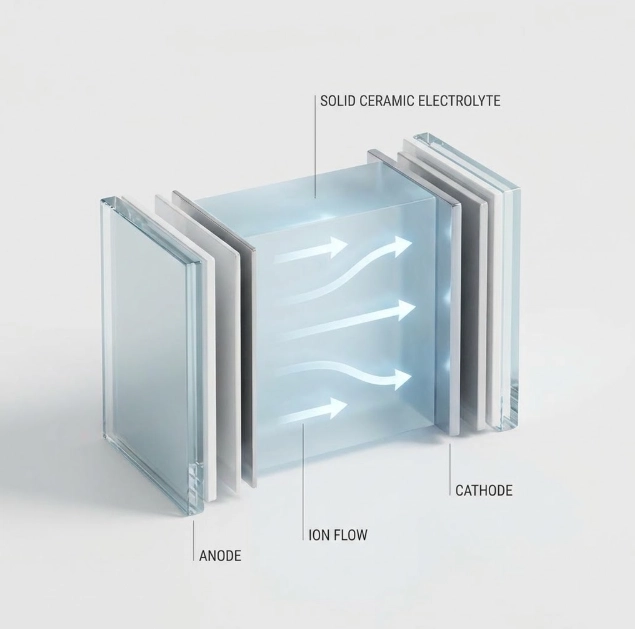
To understand why this technological shift is so monumental, one must look at the fundamental chemistry of energy storage. Traditional lithium-ion batteries rely on a liquid organic solvent to facilitate the movement of lithium ions between the anode (negative electrode) and the cathode (positive electrode). While highly conductive, these liquid electrolytes are flammable and sensitive to extreme temperatures. Under severe stress, mechanical damage, or manufacturing defects, liquid-electrolyte batteries can experience internal short circuits, leading to thermal runaway—a self-sustaining, high-temperature fire that is notoriously difficult to extinguish.
In contrast, solid-state designs replace the liquid electrolyte and polymer separator with a solid material, typically made of ceramics, glass, or solid polymers. This structural change offers several immediate advantages:
- Elimination of Flammability: Solid electrolytes are inherently non-flammable, significantly lowering the risk of fire even under puncture or extreme heat conditions.
- Dendrite Prevention: In liquid batteries, microscopic lithium fibers called dendrites can grow over time, piercing the separator and causing short circuits. Solid-state barriers are physically robust enough to resist dendrite penetration.
- Volumetric Efficiency: Without the need for bulky safety systems, cooling mechanisms, and heavy protective casings, the overall package size of the power cell is drastically reduced.
This foundational chemistry shift acts as the catalyst for highly efficient, compact, and durable power packs tailored specifically for the demands of lightweight personal transport.
Why E-Bikes Are the Perfect Candidate for Solid-State Power
Electric bicycles are incredibly versatile, serving daily commuters, cargo delivery services, and mountain bikers alike. Yet, designing a high-performance e-bike is always a delicate balancing act between frame geometry, total weight, and riding range. Heavy battery packs mounted on the down tube or rear rack can negatively disrupt the bicycle’s center of gravity, affecting handling, agility, and overall rider safety.
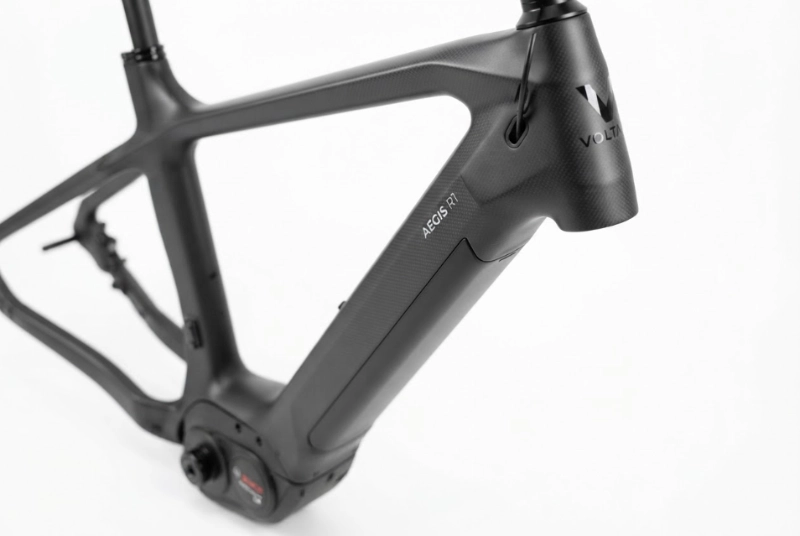
The adoption of a solid-state battery for e-bikes will redefine how riders perceive range and safety. Because solid-state systems boast a significantly higher energy density by weight and volume, manufacturers can pack double the energy capacity into the same physical footprint. This means riders can enjoy extended journeys on a single charge without carrying around a bulky, unbalanced power brick.
Furthermore, utilizing a solid-state battery for e-bikes means manufacturers can streamline frame designs, hiding the power source entirely within the down tube. This integration protects the electrical components from environmental hazards like rain, mud, and dust, while maintaining the clean, classic aesthetic of a traditional mechanical bicycle. For cargo e-bikes—which carry heavy loads and require consistent, high-power output over long shifts—the rapid charging capabilities and robust thermal stability of solid-state systems will translate directly into reduced fleet downtime and lowered operating costs.
Transforming E-Scooters: Achieving Ultimate Portability
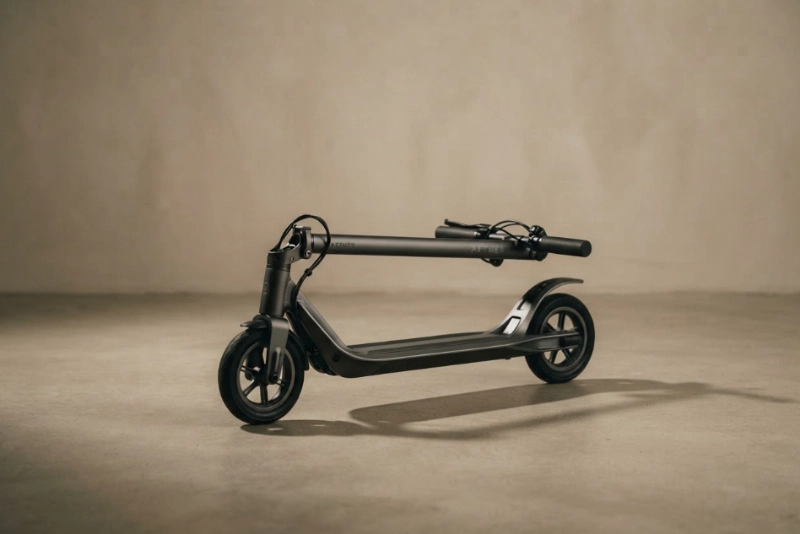
If e-bikes are the long-distance cruisers of micromobility, e-scooters are the ultimate last-mile solutions. Their primary selling points are convenience, compact sizes, and portability. However, the physical size and heavy weight of current power packs often limit how easily a rider can fold an e-scooter and carry it up a flight of stairs or onto a crowded subway train.
For daily commuters, the performance of an e-scooter battery directly influences the utility of the vehicle. Currently, riders are often forced to choose between a lightweight scooter with minimal range or a long-range scooter that is far too heavy to carry comfortably. Solid-state technology eliminates this compromise by packing unprecedented energy levels into incredibly small form factors.
A next-generation e-scooter battery leveraging solid electrolytes could easily slash the total vehicle weight by up to thirty percent. This weight reduction does not simply make the scooter easier to carry; it also improves acceleration, responsive handling, and braking distances. Moreover, because e-scooters are frequently subjected to rough vibrations from uneven city pavements, potholes, and curbs, the solid construction of these advanced batteries provides far superior mechanical shock resistance compared to liquid-based equivalents. This drastically reduces the likelihood of internal damage from daily physical wear and tear.
Key Advantages: What Makes Solid-State the Ideal Lightweight Mobility Battery?

solid-state technology for personal electric vehicles: safety, energy density, charging speed, and cycle life.
1. Unmatched Safety in Urban Environments
Because e-bikes and e-scooters are stored inside homes, apartments, and office buildings, battery safety is paramount. Municipalities worldwide have begun introducing strict regulations regarding micromobility charging due to the fire risks associated with low-quality liquid lithium-ion cells. Solid-state structures remove the volatile liquid solvent entirely, making thermal runaway virtually impossible under normal operating conditions. This structural advantage paves the way for a truly lightweight mobility battery that does not compromise on capacity.
2. Rapid Charging Capabilities
For active commuters, waiting four to six hours for a full charge is a major bottleneck. Solid-state cells can withstand higher current inputs without overheating or degrading. This allows for ultra-fast charging sessions—potentially restoring 80% of the battery’s capacity in under fifteen minutes. Such speeds will revolutionize shared mobility fleets, allowing operators to charge vehicles quickly and return them to the streets with minimal delay.
3. Extended Lifespan and Sustainability
Standard lithium-ion packs typically degrade after 500 to 1,000 charge cycles, resulting in noticeable range loss. Solid-state chemistry exhibits incredibly low degradation rates, often maintaining optimal performance for over 2,000 to 3,000 cycles. This extended lifespan reduces the total cost of ownership for consumers and significantly lessens the environmental impact associated with battery disposal and recycling.
Here is a comprehensive breakdown comparing the technical metrics of traditional liquid lithium-ion systems and next-generation solid-state technology for micromobility:
| Performance Metric | Traditional Liquid Lithium-Ion | Solid-State Technology |
|---|---|---|
| Energy Density (Wh/kg) | ~150 – 250 Wh/kg | ~350 – 500+ Wh/kg |
| Safety / Fire Risk | Moderate to High (Flammable electrolyte) | Exceptionally Low (Non-flammable solid) |
| Fast-Charging Ability | Limited (Risk of overheating/dendrites) | Excellent (High current tolerance) |
| Operating Temperature | Sensitive to extreme cold & heat | Highly resilient across wide temperatures |
| Lifespan (Cycles) | 500 – 1,000 cycles | 2,000 – 3,000+ cycles |
| Environmental Impact | High recycling complexity | Reduced footprint, longer service life |
Engineers are striving to create a lightweight mobility battery that can withstand harsh outdoor conditions while remaining incredibly compact. By checking all of these technical boxes, solid-state chemistry stands out as the definitive path forward for personal electric transportation.
Overcoming the Roadblocks to Commercialization
While the potential of solid-state power systems is undeniable, their journey from specialized research laboratories to high-volume commercial production lines is not without hurdles. Currently, several challenges must be resolved before solid-state options become standard on everyday commercial micromobility vehicles.
High Manufacturing Costs
At present, synthesizing solid electrolyte materials—especially those utilizing high-purity ceramics or sulfide-based compounds—is far more expensive than producing liquid-electrolyte cells. The manufacturing process requires specialized, high-precision equipment operating under strictly controlled environments (such as extreme dry rooms) to prevent moisture contamination.
Scalability and Interface Resistance
Maintaining consistent contact between the solid electrodes and the solid electrolyte is another engineering challenge. As batteries expand and contract during charging and discharging cycles, microscopic gaps can form at these solid-solid interfaces. These gaps increase electrical resistance and degrade performance. While we have seen prototypes, integrating a solid-state battery into consumer-level micro-mobility products requires optimizing mass manufacturing.
Fortunately, the intense global investment in solid-state development for the automotive industry is accelerating the resolution of these issues. As automotive-scale gigafactories begin production, the resulting economies of scale will drive down material and manufacturing costs. This will make the technology economically viable for the smaller, highly cost-sensitive micromobility market.
Market Outlook: When Will Solid-State E-Bikes and E-Scooters Arrive?
The timeline for solid-state commercialization is progressing in distinct phases. In the mid-2020s, early adopters are beginning to see “semi-solid-state” batteries enter the market. These hybrid batteries utilize a gel or trace amount of liquid electrolyte to improve conductivity while retaining many of the safety and energy density benefits of a fully solid system.
By the late 2020s, fully solid-state options are expected to emerge as premium offerings for high-end e-bikes and performance e-scooters. As manufacturing yields improve and cost parity is reached with traditional lithium-ion technology, solid-state systems will cascade down into mid-range and budget-friendly commuter models.
This transition will fundamentally reshape urban transportation. Cities will benefit from safer fleets of shared e-bikes and e-scooters, commuter-friendly charging infrastructure will experience less strain, and riders will enjoy unprecedented freedom, safety, and reliability on their daily journeys.
FAQs
1. Are solid-state batteries safer than traditional lithium-ion batteries?
Yes, they are significantly safer. Traditional lithium-ion batteries contain a liquid electrolyte that is highly flammable and susceptible to thermal runaway if damaged or overcharged. Solid-state technology replaces this volatile liquid with a stable, non-flammable solid electrolyte (such as ceramic or polymer). This design eliminates the risk of internal short circuits caused by lithium dendrite growth, ensuring that the battery will not catch fire or explode even if physically punctured or subjected to extreme heat.
2. Will a solid-state battery make my e-bike or e-scooter lighter?
Absolutely. Solid-state cells possess a much higher energy density than traditional liquid lithium-ion cells. This means they can store a significantly larger amount of electrical energy in a smaller, lighter package. By adopting this technology, manufacturers can either reduce the physical weight of the battery pack by up to 30% while maintaining your current riding range, or keep the battery weight the same while potentially doubling the distance you can ride on a single charge.
3. When can I expect to buy an e-bike or e-scooter powered by a solid-state battery?
While full-scale automotive solid-state batteries are targeting mass production by the late 2020s, the micromobility market is already seeing early-stage adoption. “Semi-solid-state” battery packs are beginning to appear on select high-end e-bikes and portable power stations. Fully solid-state consumer e-bikes and e-scooters are projected to hit the mainstream retail market as premium options within the next few years, with broad market adoption and cost-parity expected by the turn of the decade.