









Solid-State Battery Applications
Release time: 2026-07-02
Table of Contents
The energy storage landscape is undergoing a monumental shift, driven by the relentless pursuit of safer, more efficient, and longer-lasting power sources. At the forefront of this revolution is solid-state technology. While traditional lithium-ion cells have served us well, their limitations—particularly regarding safety and energy density—are becoming apparent as our demands grow. This comprehensive overview explores the transformative potential of solid-state battery applications and how they are poised to redefine the future of various sectors.
The transition from liquid electrolytes to solid conductors is not merely an incremental upgrade; it represents a fundamental paradigm shift in battery architecture. This change unlocks unprecedented possibilities, enabling a new era of technological advancement. By examining current and future battery industry use cases, we can understand the profound impact this technology will have on our daily lives and global industries.
Understanding the Solid-State Advantage
Before diving into specific applications, it’s crucial to grasp why solid-state technology is generating such immense interest. Traditional batteries utilize a liquid or gel electrolyte to facilitate the movement of ions between the cathode and anode. While effective, these liquid components pose inherent risks, notably flammability, and limit the overall energy density of the cell.
Solid-state batteries replace this flammable liquid with a solid electrolyte material, such as ceramics, polymers, or sulfides. This seemingly simple substitution yields a multitude of advantages:
- Enhanced Safety: The elimination of flammable liquid electrolytes significantly reduces the risk of thermal runaway and battery fires, making them inherently safer for all applications.
- Increased Energy Density: Solid electrolytes allow for the use of high-capacity anode materials, such as lithium metal, which dramatically increases the amount of energy stored within a given volume or weight.
- Faster Charging Capabilities: The robust nature of solid electrolytes can support higher charging currents, potentially reducing charge times to a fraction of what is currently possible.
- Extended Lifespan: Solid-state designs minimize the degradation mechanisms associated with liquid electrolytes, leading to batteries that last longer and endure more charge-discharge cycles.
- Wider Operating Temperature Range: These batteries can operate safely and efficiently across a broader spectrum of temperatures, from extreme cold to intense heat.
These compelling benefits form the foundation for the diverse range of solid-state battery applications currently under development and deployment.
Transforming Transportation: The Automotive Sector
Perhaps the most highly anticipated application for solid-state technology lies within the automotive industry. The widespread adoption of Electric Vehicles (EVs) hinges on overcoming “range anxiety” and reducing charging times. Solid-state batteries are the key to unlocking the true potential of electric mobility.
Electric Passenger Vehicles
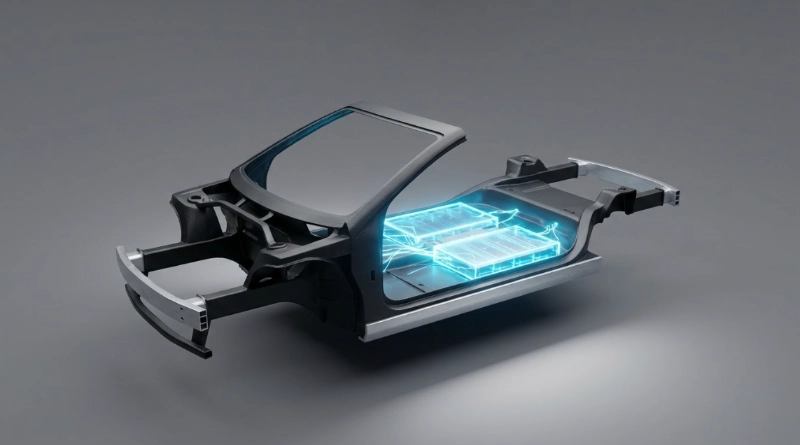
The integration of solid-state cells into passenger EVs promises a paradigm shift for consumers. Current lithium-ion batteries often limit vehicle range and require substantial time to recharge. With solid-state technology, we can envision a future where EVs offer ranges comparable to or exceeding internal combustion engine vehicles.
Imagine an EV capable of traveling 500 to 700 miles on a single charge. This extended range, coupled with the potential for ultra-fast charging—reaching an 80% charge in minutes rather than hours—will fundamentally alter the EV ownership experience. Furthermore, the enhanced safety profile of solid electrolytes provides crucial peace of mind for drivers and passengers alike.
Commercial Fleets and Heavy-Duty Transport
The demands of commercial transport are significantly more rigorous than passenger vehicles. Trucks, buses, and delivery vans require massive energy reserves to maintain operational efficiency. The weight and volume constraints of current battery technologies limit their viability for heavy-duty applications.
The high energy density of solid-state batteries is a game-changer here. By packing more power into a smaller, lighter package, commercial vehicles can carry larger payloads and travel longer distances without compromising efficiency. This transition is essential for decarbonizing the logistics and transportation sectors.
| Feature | Traditional Lithium-Ion | Solid-State Technology | Impact on EVs |
|---|---|---|---|
| Electrolyte | Liquid/Gel (Flammable) | Solid (Non-flammable) | Significantly enhanced safety; reduced fire risk. |
| Energy Density | Moderate | High (Potential for Lithium Metal Anode) | Greatly increased driving range (500+ miles). |
| Charging Speed | Slow to Moderate | Fast to Ultra-Fast | Reduced downtime; comparable to refueling a gas car. |
| Lifespan/Cycles | Standard | Extended | Lower long-term battery replacement costs. |
Revolutionizing Consumer Electronics

While the automotive sector garners much of the spotlight, the impact of solid-state technology on consumer electronics will be equally profound, though perhaps less visible. Our reliance on portable devices continues to grow, and the demand for longer battery life and sleeker designs is constant.
Smartphones and Wearables
The modern smartphone is a marvel of miniaturization, but battery life remains a persistent challenge. The thin, flexible form factors achievable with certain solid-state chemistries will allow manufacturers to design incredibly slim devices without sacrificing battery capacity.
For wearables like smartwatches and fitness trackers, where space is at an absolute premium, the increased energy density of solid-state cells is critical. This could lead to devices that require charging only once a week or even less frequently, significantly enhancing the user experience.
Laptops and Tablets
Similar to smartphones, laptops and tablets benefit greatly from lighter, more energy-dense power sources. Solid-state batteries could enable ultra-thin laptops that operate for multiple days on a single charge. The improved thermal stability also means these devices can run high-performance applications without generating excessive heat, potentially eliminating the need for bulky cooling fans.
Empowering the Future: Aerospace and Defense
The aerospace and defense sectors demand the utmost in reliability, performance, and safety under extreme conditions. The unique characteristics of solid-state batteries make them highly attractive for these critical applications.
Aviation and Drones
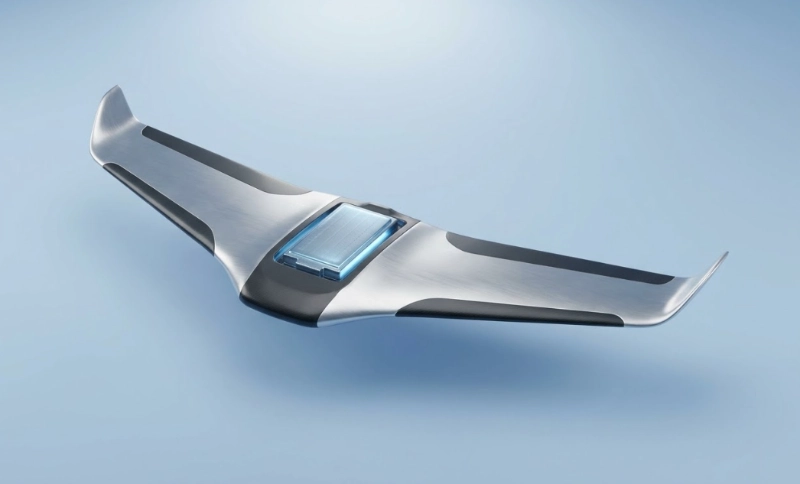
The aviation industry is actively exploring electric propulsion to reduce emissions and noise. However, the weight of conventional batteries is a major obstacle. The superior energy-to-weight ratio of solid-state technology is vital for making electric flight a reality, enabling longer flight times for drones and eventually paving the way for electric passenger aircraft.
Furthermore, the inherent safety of solid-state cells—their resistance to fire and explosion even if physically damaged—is paramount in aviation applications.
Defense and Aerospace Technologies
In defense applications, reliable power in harsh environments is non-negotiable. Solid-state batteries, with their wide operating temperature ranges and robust physical characteristics, are ideal for powering critical equipment in remote or extreme locations. From specialized communication devices to advanced aerospace systems, the stability and high performance of these batteries provide a significant strategic advantage.
Medical Devices and Healthcare
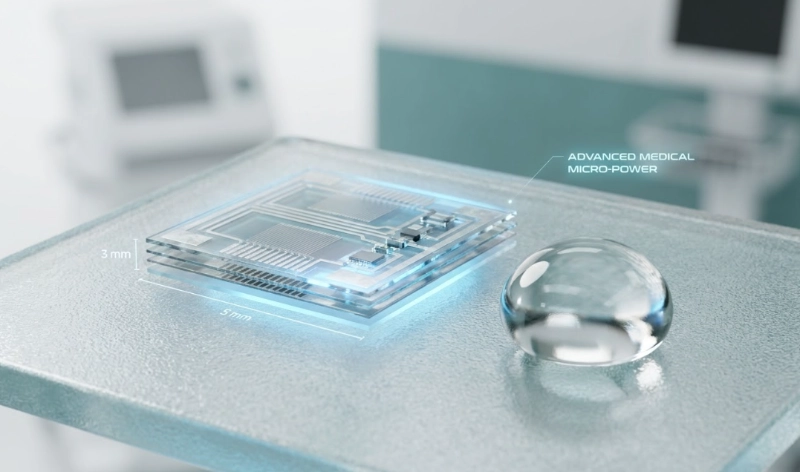
The healthcare industry represents a critical area where reliable, safe, and long-lasting power can quite literally save lives. The miniaturization and enhanced safety of solid-state cells offer significant benefits for a wide array of medical applications.
Implantable Devices
For implantable medical devices like pacemakers, neurostimulators, and cochlear implants, battery lifespan and safety are paramount. Currently, replacing a depleted battery often requires surgery. Solid-state batteries, with their extended lifespan and low risk of leakage or thermal events, are ideal candidates for these critical applications, potentially reducing the frequency of surgical interventions and improving patient outcomes.
Portable Diagnostic Equipment
The trend towards point-of-care testing and portable diagnostic equipment requires reliable power sources that are compact and robust. Solid-state batteries can power advanced diagnostic tools in remote locations or during emergency situations, ensuring healthcare professionals have access to critical information when they need it most.
Grid Storage and Renewable Integration
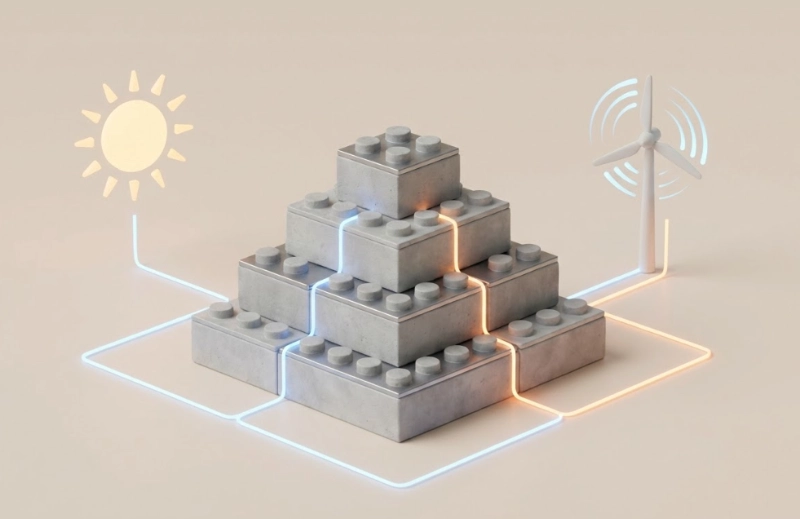
As the world transitions towards renewable energy sources like solar and wind, effective energy storage becomes increasingly crucial. Renewable energy generation is inherently intermittent; the sun doesn’t always shine, and the wind doesn’t always blow. To maintain a stable and reliable electrical grid, we must be able to store excess energy when production is high and release it when demand peaks.
While massive lithium-ion installations are currently the standard for grid storage, solid-state technology offers compelling advantages for the future.
Enhancing Grid Stability
The extended lifespan and high cycle life of solid-state batteries make them excellent candidates for long-term grid storage applications. Their ability to handle frequent, deep charge and discharge cycles without significant degradation ensures reliable performance over decades.
Furthermore, the improved safety profile of solid-state installations is a crucial consideration for large-scale energy storage facilities, reducing the risk of catastrophic fires that have occasionally plagued conventional lithium-ion installations.
| Storage Application | Key Requirement | Solid-State Advantage |
|---|---|---|
| Microgrids | Reliability & Safety | Inherent thermal stability and low maintenance. |
| Peak Shaving | High Cycle Life | Extended lifespan endures frequent charging/discharging. |
| Renewable Integration | High Capacity | Dense energy storage maximizes renewable utilization. |
The Landscape of Solid-State Batteries Used Today
While the widespread commercialization of large-scale solid-state batteries is still on the horizon, we are already seeing solid-state batteries used in specialized applications. Understanding these early adopters provides valuable insight into the technology’s current capabilities and future trajectory.
Early Adopters and Niche Markets
Currently, the most prominent examples of solid-state batteries used commercially are found in niche markets that prioritize safety, longevity, or specific form factors over low cost.
For instance, thin-film solid-state batteries are frequently utilized in RFID tags, smart cards, and specialized medical implants. These applications require microscopic power sources that are incredibly reliable and pose absolutely no risk of leakage. The high manufacturing cost of these thin-film batteries is justified by the critical nature of their function and the specialized requirements of the devices they power.
Prototyping and Development
Beyond these specialized niches, the vast majority of solid-state battery technology is currently in the prototyping and advanced development stages. Major automotive manufacturers, in partnership with innovative battery startups, are investing billions of dollars to bring large-format solid-state cells to mass production.
We are seeing significant milestones achieved in laboratory settings, demonstrating the viability of high-energy-density cells capable of rapid charging. The current challenge lies in scaling these manufacturing processes to produce reliable cells at a cost competitive with traditional lithium-ion technology.
Navigating the Challenges: The Path to Mass Adoption
Despite the undeniable promise of solid-state technology, several significant challenges must be addressed before widespread commercialization can occur. The transition from laboratory success to mass production is a complex and capital-intensive endeavor.
Manufacturing Complexity and Cost
The primary hurdle facing the industry is manufacturing complexity. Producing solid-state cells requires entirely new manufacturing processes and specialized equipment. Achieving the necessary precision and consistency at scale is incredibly difficult.
Currently, the production costs of solid-state batteries remain significantly higher than conventional lithium-ion cells. For applications like passenger EVs, cost parity (or near-parity) is essential for broad market acceptance. Continuous innovation in manufacturing techniques and economies of scale will be required to drive costs down.
Material Science Innovations
Developing the optimal solid electrolyte material remains a significant area of research. Different materials—ceramics, polymers, and sulfides—each offer unique advantages and drawbacks regarding ionic conductivity, stability, and manufacturability.
Finding a material that excels in all these areas while remaining cost-effective to produce is the “Holy Grail” of solid-state battery research. Additionally, managing the interface between the solid electrolyte and the electrodes is crucial for ensuring efficient ion transport and preventing degradation over time.
Supply Chain Development
The shift to solid-state technology will necessitate the development of new supply chains for specialized raw materials. Ensuring a stable, ethical, and sustainable supply of these materials is critical for the long-term viability of the industry.
Conclusion
The diverse array of potential battery industry use cases highlights the transformative nature of solid-state technology. From extending the range of electric vehicles and enabling electric aviation to powering critical medical implants and stabilizing the renewable energy grid, the applications are vast and deeply impactful.
While challenges remain in scaling manufacturing and reducing costs, the intense global focus and massive investments in this sector suggest that these hurdles will eventually be overcome. We are standing on the precipice of a new era in energy storage. As solid-state batteries move from the laboratory to the mainstream market, they will not merely replace existing technologies; they will enable entirely new applications and fundamentally reshape the way we power our world. The future is solid, and it is exceptionally bright.
FAQs
1. When can we expect to see solid-state batteries in everyday cars?
While precise timelines vary among manufacturers, most industry experts anticipate that solid-state batteries will begin appearing in premium or niche electric vehicles within the latter half of this decade (around 2026-2028). Widespread adoption in mainstream, affordable EVs will likely take longer as manufacturing scales up and costs come down, potentially extending into the early 2030s.
2. Are solid-state batteries truly safe, or do they still have risks?
Solid-state batteries are inherently significantly safer than traditional lithium-ion batteries because they replace the flammable liquid electrolyte with a non-flammable solid material. This drastically reduces the risk of thermal runaway and battery fires, even if the battery is punctured or damaged. However, no energy storage device is entirely without risk; they still store immense amounts of energy, so robust engineering and safety protocols remain essential.
3. Will solid-state batteries make current lithium-ion technology obsolete?
Eventually, solid-state technology is expected to become the dominant standard due to its superior performance and safety. However, the transition will be gradual. Traditional lithium-ion technology is well-established, continually improving, and currently much cheaper to produce. It is highly likely that both technologies will coexist for a significant period, with solid-state dominating high-performance applications (like long-range EVs and aerospace) while lithium-ion remains prevalent in cost-sensitive markets.