









Why Energy Density Matters for Compact Devices
Release time: 2026-06-29
Table of Contents

In the rapidly evolving landscape of modern technology, the trend toward miniaturization is undeniable. From the smartphones we carry in our pockets to the wearable health monitors on our wrists, and even the intricate medical implants saving lives, devices are becoming smaller, smarter, and more integrated into our daily routines. However, this relentless drive toward compactness presents a significant engineering challenge: how do we power these increasingly capable, power-hungry devices without increasing their physical footprint? The answer lies in a critical metric known as energy density.
Understanding energy density is paramount for anyone involved in the design, manufacturing, or even the daily use of compact electronic devices. It dictates how long a device can operate between charges, how heavy it is, and ultimately, its overall utility. This article explores the concept of energy density, why it is the defining factor in the future of compact technology, and how emerging technologies are poised to revolutionize the way we power our world.
Understanding Energy Density
At its core, energy density refers to the amount of energy stored in a given system or region of space per unit volume (volumetric energy density) or per unit mass (gravimetric energy density or specific energy).
- Volumetric Energy Density (Wh/L): This measures how much energy a battery can hold relative to its size. For compact devices, this is often the most critical metric. If you only have a few cubic centimeters of space available inside a smartwatch, you need a battery with a high volumetric energy density to ensure the device runs all day.
- Gravimetric Energy Density (Wh/kg): This measures how much energy a battery can hold relative to its weight. This is crucial for applications where weight is a primary constraint, such as drones, electric vehicles, and lightweight wearable electronics.
In the context of batteries, higher energy density means that a battery of the same physical size can store more power, or conversely, a battery storing the same amount of power can be made much smaller and lighter.
The Historic Trade-off: Size vs. Power
For decades, device designers have been forced to navigate a difficult trade-off between device size, features, and battery life.
Consider the evolution of mobile phones. Early models were bulky primarily because they required large lead-acid or nickel-cadmium batteries to function for a reasonable amount of time. As lithium-ion (Li-ion) technology matured and offered a significant leap in energy density, phones shrank dramatically in the late 1990s and early 2000s.
However, the advent of the modern smartphone introduced large, bright touchscreens, powerful processors, and constant internet connectivity. These features drastically increased power consumption. As a result, despite continuous improvements in Li-ion technology, battery sizes had to increase again, leading to the larger (though thinner) smartphones we use today.
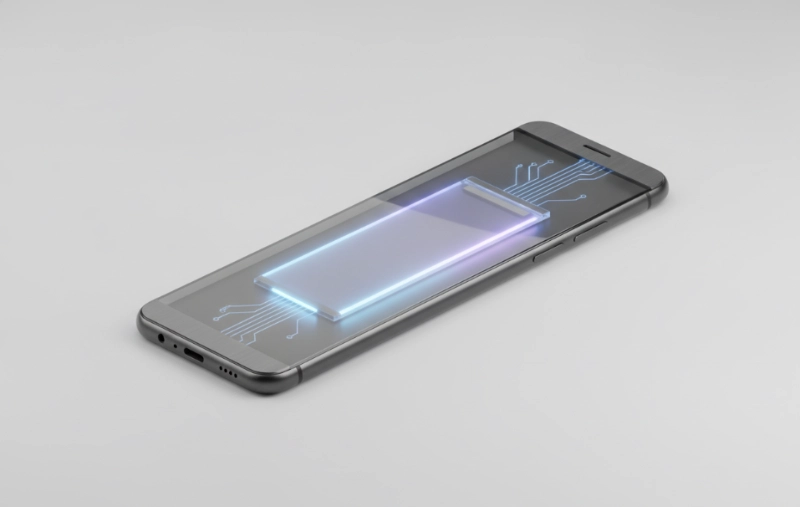
The current challenge is that traditional Li-ion technology is approaching its theoretical limits regarding energy density. We are reaching a point of diminishing returns where eking out a few more percentage points of energy density requires complex and sometimes risky engineering trade-offs, often involving stability and safety.
The Unique Demands of Compact Devices

Compact devices are not just smaller versions of larger electronics; they represent a distinct category with specific power requirements and physical constraints.
1. Wearables and Hearables
Smartwatches, fitness trackers, and wireless earbuds are defined by their small form factor. A bulky smartwatch is uncomfortable, and heavy earbuds are impractical. These devices require batteries that can deliver bursts of power for sensors (like heart rate monitors or GPS) and continuous power for Bluetooth connectivity, all within a space of a few millimeters. The demand for a lightweight solid-state battery solution is particularly acute here, as every gram matters for user comfort.
2. Medical Implants
Devices such as pacemakers, continuous glucose monitors, and neurostimulators require incredibly reliable, long-lasting power sources. The physical space inside the human body is obviously limited, and replacing a battery often requires surgery. Therefore, maximizing energy density is not just about convenience; it is a critical healthcare requirement. These applications demand batteries with exceptional longevity and absolute safety profiles.
3. IoT Sensors
The Internet of Things (IoT) relies on billions of small sensors deployed in environments ranging from smart homes to remote industrial sites. These sensors often need to operate for years without battery replacement, as maintenance is costly and logistically challenging. High energy density allows these tiny sensors to pack enough power to last for their entire operational lifespan.
4. Drones and Micro-Robotics
While slightly different from consumer wearables, micro-drones and tiny robotic devices are acutely sensitive to both size and weight. A significant portion of a drone’s energy is spent just keeping its own battery aloft. Therefore, maximizing gravimetric energy density is paramount for extending flight times and enabling more complex payloads.
The Limitations of Current Lithium-Ion Technology
Traditional Lithium-ion batteries have been the workhorse of the portable electronics revolution. They operate using a liquid electrolyte that facilitates the movement of lithium ions between the anode (usually graphite) and the cathode (various metal oxides) during charging and discharging.
While highly successful, conventional Li-ion batteries face several hurdles when trying to push energy density significantly higher:
- The Graphite Anode Limit: Graphite has a limited capacity for storing lithium ions. While researchers have attempted to introduce silicon into the anode to increase capacity (silicon can hold significantly more lithium than graphite), silicon tends to expand and contract dramatically during charge cycles, leading to battery degradation and failure.
- Safety Concerns with Liquid Electrolytes: The liquid electrolytes used in conventional Li-ion batteries are flammable. If the battery is damaged, overcharged, or subjected to extreme heat, it can lead to thermal runaway—a dangerous chain reaction that results in fire or explosion. This safety risk dictates that traditional batteries must include robust (and bulky) safety casings and management systems, which reduces the overall energy density of the battery pack.
- Physical Bulk: The necessary separators (to keep the anode and cathode apart and prevent short circuits) and packaging required for liquid electrolyte batteries take up valuable space that could otherwise be used for active, energy-storing materials.
The Solid-State Revolution
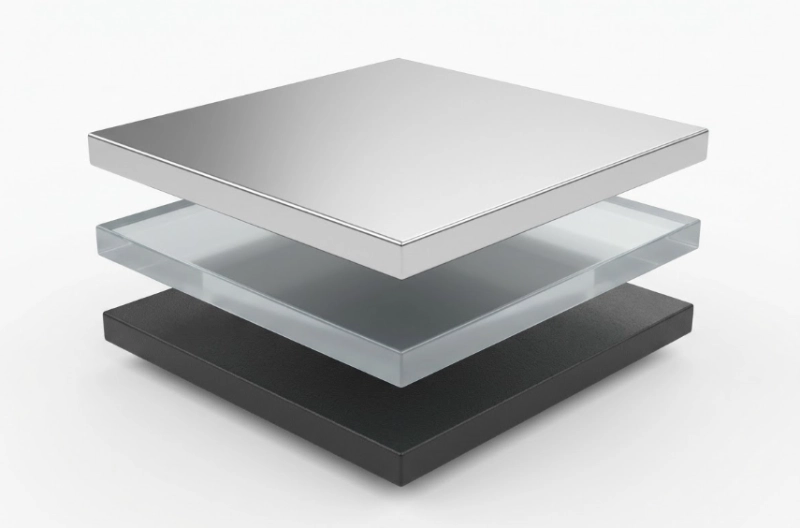
The most promising pathway to overcoming the limitations of traditional Li-ion batteries and achieving the next leap in energy density is solid-state battery technology.
As the name suggests, solid-state batteries replace the flammable liquid electrolyte found in conventional batteries with a solid electrolyte material (such as ceramics, glass, or solid polymers). This seemingly simple substitution unlocks a cascade of benefits, primarily revolving around significantly increased energy density and enhanced safety.
How Solid-State Unlocks Higher Energy Density
The transition to a solid electrolyte directly enables higher energy densities through several mechanisms:
1. Enabling the Lithium Metal Anode
The “holy grail” of battery chemistry is the use of a pure lithium metal anode. Lithium metal has a theoretical specific capacity nearly ten times that of graphite. However, using a lithium metal anode with a traditional liquid electrolyte is highly problematic. During charging, lithium ions can form spiky structures called dendrites, which can pierce the separator, cause a short circuit, and trigger a fire.
A robust solid electrolyte acts as a physical barrier that is strong enough to suppress dendrite formation. By enabling the use of a pure lithium metal anode, a high capacity solid-state battery can store significantly more energy in the same volume compared to a traditional graphite-anode battery.
2. Thinner Profiles and Less Packaging
Because solid electrolytes are not flammable, the catastrophic risk of thermal runaway is virtually eliminated. This intrinsic safety means that the extensive, bulky safety enclosures required for traditional Li-ion batteries can be reduced or eliminated.
Furthermore, solid electrolytes can function simultaneously as both the electrolyte and the separator, allowing the battery cells to be constructed much thinner. This reduction in “dead weight” and inactive volume directly translates to higher overall volumetric and gravimetric energy density for the final battery package.
3. Tighter Cell Packing
The improved safety profile and solid nature of these batteries mean that individual cells can be packed much closer together within a device without the need for extensive cooling systems or protective spaces between them. This maximizes the utilization of available space within a compact device.
Comparing Battery Technologies
To illustrate the potential leap forward, let’s look at a comparison of typical energy densities across different battery technologies.
| Battery Technology | Typical Volumetric Energy Density (Wh/L) | Typical Gravimetric Energy Density (Wh/kg) | Key Advantages for Compact Devices |
|---|---|---|---|
| Nickel-Metal Hydride (NiMH) | 140 – 300 | 60 – 120 | Proven technology, safe. |
| Conventional Lithium-Ion | 250 – 670 | 100 – 265 | Current standard, good balance of size/power. |
| Lithium-Polymer (LiPo) | 300 – 700 | 130 – 250 | Flexible form factors, common in thin devices. |
| Solid-State Battery (Projected) | 800 – 1200+ | 350 – 500+ | Transformative energy density, superior safety, thinner profiles. |
Note: Solid-state figures are based on current leading prototypes and projected commercial capabilities.
As the table demonstrates, the transition to solid-state technology represents a potential doubling of energy density compared to current standards.
The Impact of Higher Energy Density on Compact Devices
The successful commercialization of high-energy-density solid-state batteries will not merely be an incremental improvement; it will fundamentally change the design paradigm for compact devices.
1. Extended Battery Life Without Increased Size
This is the most immediate and obvious benefit. A compact device solid-state battery could allow a smartwatch that currently requires daily charging to last for several days, or perhaps even a week, without increasing the thickness of the watch. Wireless earbuds could offer 15-20 hours of continuous playback instead of 5-8 hours. This drastically improves the user experience and reduces “battery anxiety.”
2. Smaller Devices with Maintained Performance
Alternatively, designers can choose to keep the battery life the same but significantly reduce the physical size of the device. This is crucial for “invisible” wearables, smart rings, and next-generation medical implants. A smaller footprint makes devices more comfortable, less obtrusive, and more aesthetically pleasing.
3. Enabling New Features and Sensors
The power budget is the primary constraint on innovation in compact electronics. If a device has access to a denser energy source, designers can integrate more power-hungry components. We could see smartwatches with advanced, continuous health monitoring sensors (like blood pressure or hydration levels) that currently consume too much power to be viable. It could enable better processors for on-device AI processing in small wearables, reducing reliance on constant smartphone tethering.
4. Transformative Form Factors
Current devices are often designed around the battery, as it is the largest, most inflexible component. The safety and stability of solid-state technology allow for more flexible and unconventional battery shapes. This could finally make flexible or foldable smart devices practical, as the battery itself could potentially bend without the risk of leaking dangerous liquids or short-circuiting.
Challenges on the Road to Commercialization
While the promise of the energy density solid-state battery is clear, significant engineering and manufacturing challenges remain before they become ubiquitous in our devices.
- Manufacturing Scalability: Traditional Li-ion battery manufacturing is a highly optimized, massive global industry. Scaling up the production of solid-state batteries requires entirely new manufacturing processes, materials, and equipment. Achieving economies of scale to make them cost-competitive is a major hurdle.
- Solid-Solid Interface Resistance: In a liquid electrolyte battery, the liquid naturally conforms to the microscopic contours of the anode and cathode, ensuring good electrical contact. In a solid-state battery, maintaining good contact between the solid electrolyte and the solid electrodes (especially as the battery expands and contracts during cycling) is difficult. Poor contact leads to high internal resistance, which reduces power output and efficiency.
- Material Costs: Some of the most promising solid electrolyte materials (like certain sulfide or oxide ceramics) utilize expensive raw materials or complex synthesis processes. Reducing the cost of these materials is essential for widespread adoption.
- Low-Temperature Performance: Some solid electrolytes exhibit lower ionic conductivity at lower temperatures compared to liquid electrolytes. This means that early solid-state batteries might struggle to deliver full power in cold environments, an issue that researchers are actively working to mitigate.
The Future is Dense
The trajectory of technology is clear: devices will continue to become more integrated, more capable, and physically smaller. This progression is entirely dependent on our ability to store more energy in less space.
Energy density is not just a technical specification; it is the enabler of future innovation. It is the metric that dictates whether a revolutionary new medical implant is viable, whether an AR headset can be worn comfortably all day, or whether your smartwatch can genuinely replace your phone.
While conventional lithium-ion technology has served us well, its inherent limitations regarding energy density and safety mean that a new paradigm is required. The pursuit of the high-capacity, safe, and robust solid-state battery is arguably the most important materials science challenge of the decade.
As researchers and engineers overcome the manufacturing and interface challenges, the widespread adoption of these next-generation power sources will unlock a wave of innovation in compact devices, fundamentally altering how we interact with technology and the world around us. The future of compact devices is not just smaller; it is significantly more energy-dense.
FAQs
1. Why can’t we just make current batteries smaller to fit into smaller devices?
We can make current lithium-ion batteries smaller, but doing so proportionally reduces their capacity. If you cut the size of a battery in half, it will hold roughly half the energy, meaning the device will run for half as long. The goal of increasing energy density is to maintain or increase the total energy capacity while reducing the physical size of the battery.
2. Are solid-state batteries safer than the batteries currently used in smartphones and wearables?
Yes, they are generally considered significantly safer. Traditional batteries use a liquid electrolyte that is flammable and can cause fires or explosions if the battery is damaged or overheats (thermal runaway). Solid-state batteries replace this liquid with a non-flammable solid material, virtually eliminating the risk of catastrophic failure and allowing for safer integration into compact devices and wearables.
3. When can I expect to buy a smartwatch or earbuds powered by a solid-state battery?
While solid-state batteries are currently used in some niche applications (like certain medical implants), mass-market consumer electronics like smartwatches and earbuds are likely still a few years away from widespread adoption. Most industry experts predict we will see significant commercialization of solid-state technology in premium consumer devices and electric vehicles between the late 2020s and early 2030s, as manufacturing scales up and costs decrease.