









Which Industries Benefit Most from Solid-State Batteries
Release time: 2026-07-02
Table of Contents
For the past three decades, the lithium-ion battery has been the undisputed king of portable energy. It revolutionized consumer electronics, made smartphones ubiquitous, and catalyzed the dawn of the electric vehicle (EV) era. However, as global technology advances, the limitations of traditional lithium-ion chemistry—namely energy density ceilings, slow charging times, and persistent safety concerns—have become apparent. Enter the solid-state battery (SSB), a generational leap in energy storage technology that replaces flammable liquid electrolytes with solid, highly conductive materials.
This shift from “wet” to “dry” battery chemistry is not merely an incremental update; it is a fundamental transformation. By utilizing solid electrolytes such as advanced ceramics, sulfides, or solid polymers, solid-state batteries unlock unprecedented capabilities. They boast dramatically higher energy densities, inherent non-flammability, ultra-fast charging capabilities, and significantly extended lifespans.
But which sectors stand to gain the most from this technological marvel? While nearly every battery-powered device will eventually transition to this new standard, certain fields are positioned to undergo an immediate and radical evolution. In this comprehensive guide, we will explore the core science behind this technology and dive deep into the specific industries that will benefit most from the solid-state battery revolution.
The Science of Solid-State: Why It Outperforms Traditional Batteries
To understand why specific industries are eagerly anticipating commercial solid-state batteries, we must first understand the structural advantages of the technology.
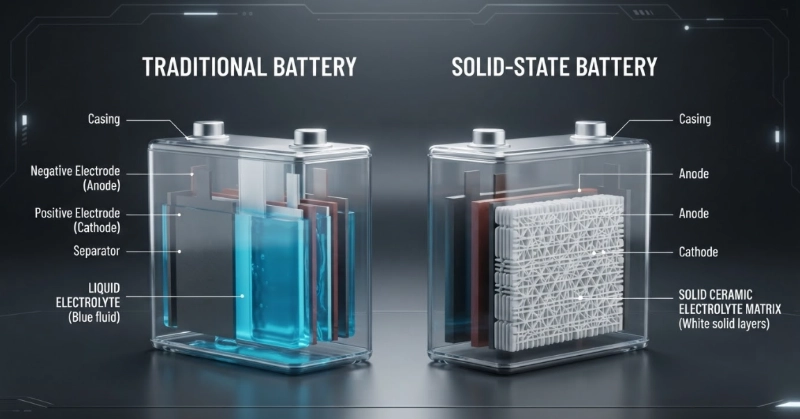
In a conventional lithium-ion battery, energy is discharged and recharged as lithium ions move between the anode and cathode through a liquid electrolyte. While effective, this liquid is highly volatile and flammable. Under extreme stress, high temperatures, or physical damage, the liquid can ignite, leading to a dangerous chain reaction known as thermal runaway. Furthermore, traditional batteries are plagued by “dendrites”—microscopic, needle-like lithium structures that grow over time, piercing the battery’s internal separator and causing catastrophic short circuits.
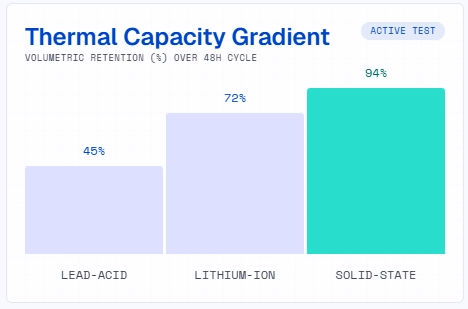
Solid-state batteries solve these problems at the root. By replacing the liquid with a solid electrolyte layer, the risk of thermal runaway is virtually eliminated. The solid barrier is mechanically robust enough to physically suppress the growth of dendrites. This critical safety enhancement allows engineers to use pure lithium metal for the anode (instead of the heavier, bulkier graphite used today). The result? A battery that can store up to 80% more energy in the exact same physical footprint, charge significantly faster, and operate safely in extreme temperatures ranging from -40°C to over 80°C.
These precise characteristics—extreme energy density, uncompromising safety, and thermal resilience—are exactly what the world’s most demanding industries have been waiting for.
1. The Automotive Industry: Revolutionizing Electric Vehicles
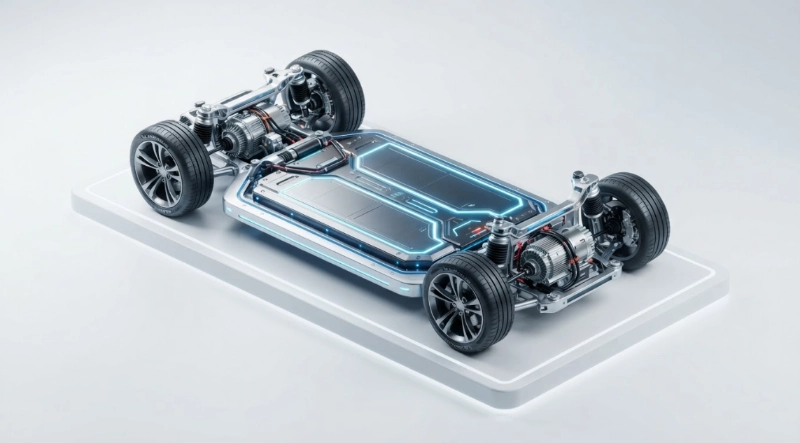
The most highly publicized battleground for solid-state battery technology is the automotive sector. Automakers are pouring billions of dollars into research and development, viewing SSBs as the “holy grail” that will finally push electric vehicles past internal combustion engine (ICE) cars in every measurable metric of performance and convenience.
Eradicating Range Anxiety
The primary hurdle to mass EV adoption remains “range anxiety”—the consumer fear of running out of power before reaching a destination. Because solid-state batteries offer vastly superior energy density, automakers can pack significantly more energy into a vehicle without increasing the weight or size of the battery pack. Vehicles that currently max out at 300 miles of range could easily surpass 500 to 700 miles on a single charge.
Ultra-Fast Charging Protocols
Time is money, and the time spent waiting at a charging station is a major friction point for EV drivers. Traditional lithium-ion batteries cannot be charged too quickly without generating excess heat that degrades the battery and risks thermal runaway. Because solid electrolytes are incredibly heat-resistant, they can accept high-current charges safely. The ideal battery for EV applications must be able to mirror the convenience of a traditional gas station; solid-state technology promises to reduce charging times from 40 minutes down to a mere 10 to 15 minutes for an 80% charge.
Transforming Vehicle Design and Economics
The elimination of flammable liquids means that EVs will require far less heavy, complex, and expensive cooling and thermal management systems. Additionally, removing heavy structural armor meant to protect traditional batteries in a crash allows for lighter, more aerodynamically efficient vehicle designs. Over the long term, fewer battery replacements and a lighter vehicle chassis will significantly lower the total cost of ownership for consumers and commercial fleet operators alike.
2. Healthcare and Medical Devices: Powering the Future of Medicine
While the automotive industry grabs the headlines, the healthcare sector is quietly undergoing a revolution thanks to solid-state chemistry. Medical technology relies on precision, reliability, and most importantly, absolute safety. The integration of advanced power sources is enabling a new generation of life-saving devices.
Implantable Medical Devices
For patients relying on implantable devices like pacemakers, neurostimulators, and implantable cardioverter-defibrillators (ICDs), battery life dictates the frequency of surgical interventions. Currently, when the battery of an implant dies, the patient must undergo surgery to replace the device. Solid-state batteries boast a much lower self-discharge rate and a significantly longer lifecycle (often exceeding 10,000 charge cycles without degrading). When engineering a safe and long-lasting battery for medical implants, the non-toxic, leak-proof nature of solid electrolytes provides absolute peace of mind, ensuring that dangerous chemicals can never leak into the human body.
Miniaturization of Wearable Health Tech
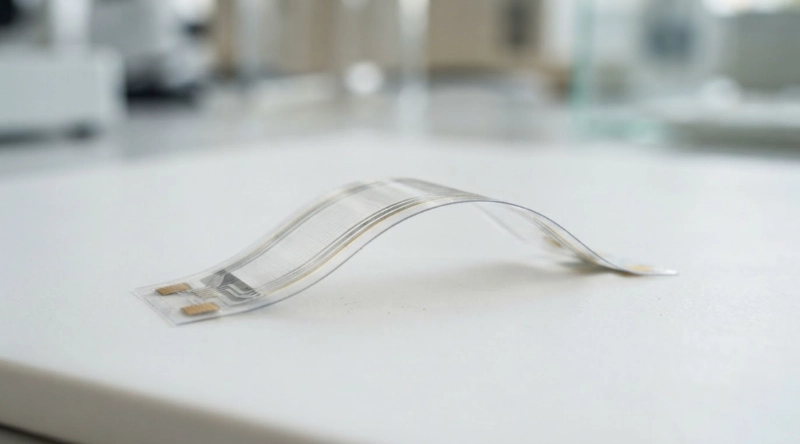
The healthcare industry is aggressively shifting toward preventative care through continuous monitoring. Smart contact lenses that measure blood glucose, ultra-thin skin patches that monitor heart rhythms, and microscopic hearing aids all require power. Solid-state batteries can be manufactured as flexible, ultra-thin films. Because they don’t require bulky containment casing to hold liquid, they can be printed directly onto flexible substrates, allowing medical devices to become smaller, lighter, and completely unobtrusive to the patient.
Sterilization and Thermal Stability
Surgical tools and reusable medical monitors must undergo rigorous sterilization processes, often involving high-temperature autoclaves. Traditional batteries degrade rapidly or explode under these intense temperatures and pressures. The extreme thermal stability of solid-state batteries allows for medical equipment to be sterilized without the need to remove the battery, drastically improving clinical workflows and hygiene standards in hospitals.
3. Robotics and Automation: Unleashing Autonomous Systems
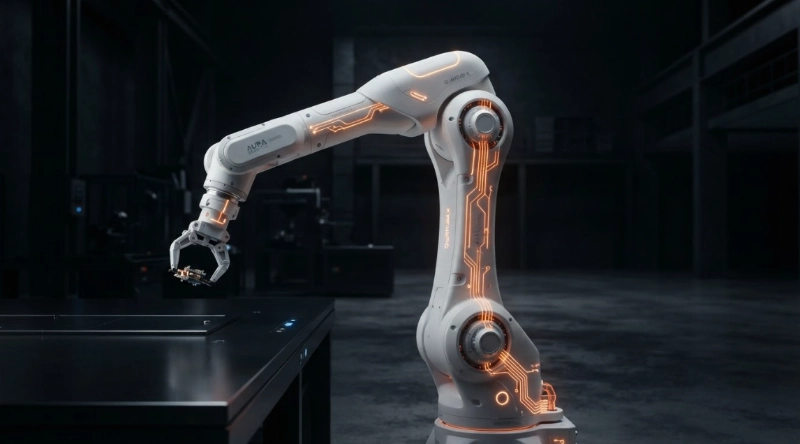
The global push toward automation, driven by artificial intelligence and advanced mechanics, is constrained by one major bottleneck: portable power. Whether it is an automated guided vehicle (AGV) navigating an Amazon fulfillment center, a surgical robot, or an agricultural drone, robotic systems are highly power-intensive.
24/7 Uninterrupted Operation
In industrial settings, downtime is the enemy of profitability. Factory robots and logistics drones currently spend a significant portion of their operational lifecycle tethered to charging stations. The high energy density of solid-state technology means robots can operate for significantly longer shifts. Furthermore, the ultra-fast charging capabilities mean that an autonomous warehouse robot can recharge during a brief 5-minute idle period, effectively enabling 24/7 continuous operation without the need for swappable battery packs.
Form Factor Flexibility and Structural Integration
The requirements of a highly dynamic battery for robotics differ significantly from those used in static electronics. Robotics often require non-traditional shapes to maintain balance, center of gravity, and agility. Because solid-state batteries can be manufactured in thin films and layered in bipole stacks, they can be molded to fit the physical constraints of the robot. In the burgeoning field of “soft robotics,” flexible solid-state batteries can be integrated directly into the structural materials of the robot itself, eliminating the dead weight of a centralized battery pack.
Resilience in Extreme Environments
Robots are increasingly being deployed in environments that are far too dangerous for humans. This includes deep-sea exploration, search and rescue in active fire zones, pipeline inspection, and even extraterrestrial rovers. Liquid electrolytes freeze in extreme cold (stopping ion flow) and vaporize in extreme heat (causing explosions). Solid electrolytes remain stable and highly conductive across a massive temperature spectrum, ensuring that robotic systems can execute mission-critical tasks in the harshest environments on (or off) the planet.
Industry Comparison: The Impact of Solid-State Batteries
To visualize the transformative potential of this technology, the following table summarizes how solid-state batteries resolve the specific pain points of traditional lithium-ion batteries across the three major industries discussed:
| Industry Focus | Traditional Lithium-Ion Limitations | Solid-State Battery Solutions | Key End-User Benefit |
|---|---|---|---|
| Electric Vehicles (EVs) | Limited range (200-300 miles), slow charging (40+ mins), high fire risk in collisions. | 500+ mile range, ultra-fast charging (10-15 mins), non-flammable solid electrolyte. | Eradicates range anxiety; mirrors the speed and convenience of gas stations. |
| Medical Devices | Bulky casings required, leakage risks in implants, degrades under high sterilization heat. | Ultra-thin film formats, zero leakage risk (biocompatible), highly resistant to autoclave heat. | Fewer replacement surgeries for implants; invisible, continuous wearable monitors. |
| Robotics & Automation | Requires heavy structural housing, limited operational uptime, fails in extreme cold/heat. | Structural integration (flexible shapes), high energy density for longer shifts, vast temperature tolerance. | True 24/7 autonomous operation; deployment in extreme, hazardous environments. |
Other Industries Poised for Disruption
While Automotive, Medical, and Robotics are the clear frontrunners, the ripple effects of commercialized solid-state batteries will be felt across several other critical sectors:
- Aerospace and Aviation: Electric flight has been largely grounded by the heavy weight of lithium-ion batteries. The gravimetric energy density of solid-state batteries (yielding more energy per kilogram) is the critical key to unlocking commercial electric vertical takeoff and landing (eVTOL) aircraft, delivery drones, and eventually, short-haul electric commercial flights.
- Consumer Electronics: While a smartphone battery catching fire is rare, it is a catastrophic event for a brand’s reputation. Solid-state technology will allow manufacturers to create thinner, lighter laptops and smartphones with batteries that comfortably last for several days on a single charge and do not degrade after just two years of use.
- Renewable Grid Storage: As the world transitions to solar and wind power, grid-scale energy storage is required to capture energy when the sun shines and release it when demand peaks. Solid-state batteries offer the long lifespan and superior safety profile needed for massive residential and commercial grid storage solutions.
The Road Ahead: Challenges and Commercialization
Despite the overwhelmingly positive outlook, the transition to a solid-state world will not happen overnight. The technology is currently navigating the difficult transition from successful laboratory prototypes to mass-scale commercial manufacturing.
The primary challenge lies in the manufacturing processes. Solid-state batteries require extreme precision to ensure perfect contact between the solid electrolyte and the electrodes. Any microscopic gaps can increase electrical resistance and degrade performance. Furthermore, materials like pure lithium metal and advanced sulfide-based ceramics are currently expensive to produce at a massive scale.
However, with government subsidies, massive private investments from legacy automakers, and breakthroughs in platform manufacturing technologies, production costs are expected to plummet over the next decade. Industry analysts project that premium EVs and specialized medical devices will feature solid-state batteries in the commercial market between 2026 and 2028, with widespread, mass-market adoption occurring in the early 2030s.
Conclusion
The solid-state battery is much more than an upgrade; it is a fundamental enabler of next-generation technologies. By finally overcoming the energy density and safety limitations of liquid electrolytes, solid-state chemistry is removing the ultimate bottleneck of modern engineering. From enabling electric cars to travel from coast to coast with ease, to powering life-saving medical implants that never need replacing, to untethering autonomous robots to work continuously in the harshest environments, solid-state batteries are the engine that will drive the innovations of tomorrow.
FAQs
1. Are solid-state batteries safer than traditional lithium-ion batteries? Yes, significantly safer. Traditional lithium-ion batteries use a liquid electrolyte that is volatile and highly flammable, which can lead to fires or explosions if the battery is damaged, overcharged, or exposed to extreme heat. Solid-state batteries replace this liquid with a non-flammable solid material (like ceramics or polymers). This inherently eliminates the risk of leaks and thermal runaway, making them exceptionally safe for consumer, automotive, and medical use.
2. When will solid-state batteries become widely available to consumers? While solid-state technology is already used in some niche applications (like tiny RFID tags or specific medical devices), mass-market commercialization for larger applications takes time. Major