









What Battery Solutions Are Commonly Used in Industrial Equipment?
Release time: 2026-08-07
विषयसूची
In the fast-paced world of modern manufacturing, logistics, and facility management, reliable power is the lifeblood of productivity. As warehouses become automated and supply chains operate around the clock, the question of energy storage has never been more critical. Choosing the right power source is no longer just a purchasing decision; it is a strategic business move that impacts bottom lines, operational efficiency, and workplace security.
So, what are the leading options in the market today? This comprehensive guide delves deep into the power storage technologies utilized in the commercial and manufacturing sectors. We will explore the core requirements, analyze different chemical compositions, understand the crucial differences between commercial and everyday applications, and outline a clear framework for making the smartest engineering choices for your enterprise.
1. The Core Requirements of Industrial Equipment for Batteries
Unlike everyday gadgets, machinery used in heavy-duty environments cannot afford unexpected downtime. Every minute a forklift or automated guided vehicle (AGV) spends tethered to a charger or undergoing repairs translates to lost revenue. Therefore, the industrial sector demands power solutions that excel in four fundamental areas: they must be stable, durable, safe, and easy to maintain.
Stability Under Pressure
In a rigorous operational environment, a power source must deliver a consistent voltage output regardless of the state of charge. When a heavy-duty forklift lifts a multi-ton pallet, it requires a massive, immediate surge of energy. If the voltage drops significantly under load, the machinery may stall, triggering error codes or causing mechanical wear. A stable energy delivery system ensures that motors and internal electronics function optimally from the beginning of a shift right to the very end.
Uncompromising Durability
Factories and distribution centers are unforgiving environments. Power units are constantly subjected to intense vibrations, extreme temperature fluctuations, and continuous deep cycling. Being durable means the internal chemistry and external casing can withstand these harsh physical realities for years without degrading prematurely. A ruggedized power pack must endure thousands of charge-discharge cycles while retaining a high percentage of its original capacity.
The Highest Standards of Safety
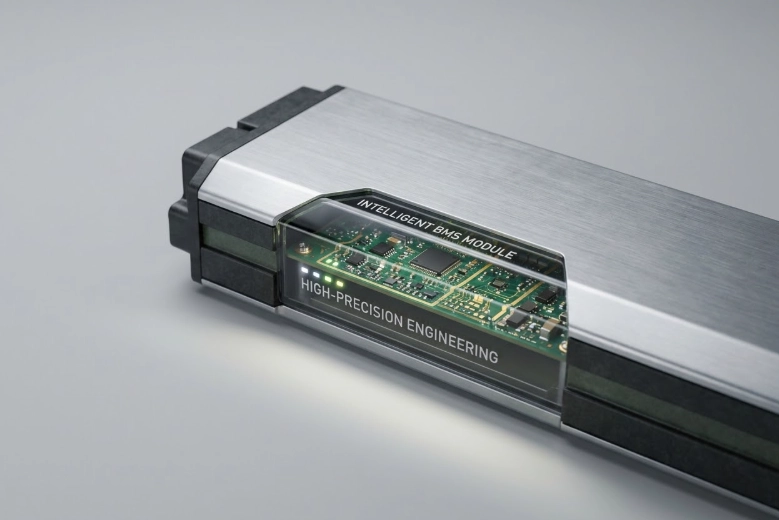
In an enclosed warehouse filled with personnel, inventory, and expensive machinery, hazardous incidents are catastrophic. A safe power solution eliminates the risks of thermal runaway, acid spills, and the emission of explosive gases during charging. Modern facility managers prioritize energy systems equipped with advanced Battery Management Systems (BMS) that actively monitor temperature, current, and voltage to prevent any potential hazards before they occur.
Simplifying Maintenance Operations
Labor shortages and the high cost of specialized technicians mean that modern facilities require infrastructure that is easy to maintain. Traditional power solutions often required dedicated watering schedules, equalization charges, and careful specific gravity checks. Today, the industry is pivoting toward “set-and-forget” technologies that require zero daily or weekly interventions, freeing up maintenance crews to focus on core mechanical repairs rather than topping up fluids.
2. Common Battery Types in the Industrial Sector
When evaluating the market, three primary chemical compositions dominate the landscape. Each has its own historical context, strengths, and ideal use cases.
Traditional Lead-Acid
For over a century, lead-acid technology has been the backbone of material handling and heavy machinery. These units consist of lead plates submerged in a liquid sulfuric acid electrolyte.
- फायदे: The most significant advantage is the low upfront capital required. They are highly recyclable and their heavy weight actually serves as a necessary counterbalance in traditional sit-down forklifts.
- दोष: They suffer from a phenomenon called voltage sag as they deplete. Furthermore, they mandate a strict 8-8-8 rule (8 hours of use, 8 hours of charging, 8 hours of cooling) and demand frequent fluid top-ups, making them highly labor-intensive.
Standard Lithium-Ion (NMC/NCA)
As the electric vehicle revolution accelerated, lithium-ion technology migrated into the industrial space. Utilizing chemistries like Nickel Manganese Cobalt, these packs offer incredible energy density.
- फायदे: They are incredibly lightweight and compact, making them perfect for sleek, modern robotics. They support opportunity charging, meaning operators can plug them in during a 15-minute coffee break without damaging the cells.
- दोष: They require sophisticated thermal management systems. If compromised, standard lithium chemistries are susceptible to thermal runaway, posing fire risks in tightly packed warehouse aisles.
Lithium Iron Phosphate (LiFePO4)
Often considered the holy grail for heavy machinery, LiFePO4 (Lithium Iron Phosphate) offers a brilliant compromise between energy density, longevity, and ultimate structural integrity.
- फायदे: The chemical bond between iron, phosphorus, and oxygen is inherently highly robust. This means they are practically immune to thermal runaway even if punctured. Furthermore, they boast an exceptional cycle life, often exceeding 3,000 to 5,000 deep cycles.
- दोष: The initial investment is higher than older technologies, and they have a slightly lower energy density compared to NMC chemistries (though this is rarely an issue for heavy equipment).
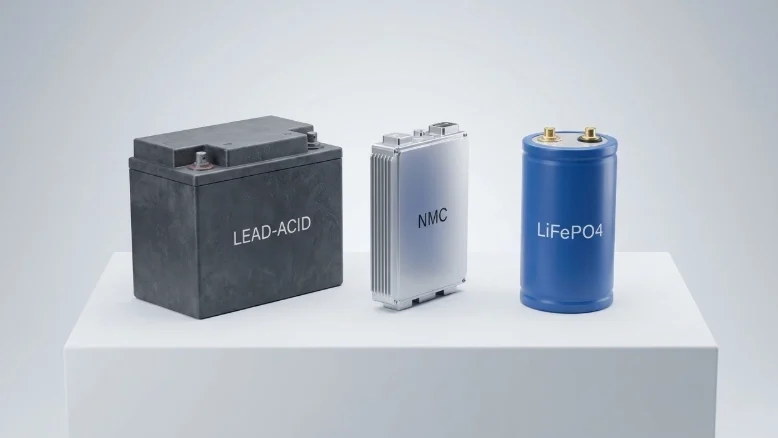
Comparison Table
| Feature / Chemistry | Traditional Lead Tech | Standard Li-ion (NMC) | Lithium Iron Phosphate |
|---|---|---|---|
| चक्र जीवन | 500 – 1,500 cycles | 1,000 – 2,000 चक्र | 3,000 – 5,000+ cycles |
| चार्जिंग गति | Slow (8-10 hours) | Fast (1-3 hours) | Fast (1-3 hours) |
| Opportunity Charging | No (damages battery) | Yes | Yes |
| Maintenance Needs | High (watering, equalizing) | Zero | Zero |
| सुरक्षा प्रोफ़ाइल | Moderate (gas emissions) | Moderate (fire risk if abused) | Excellent (highly stable) |
| Upfront Cost | कम | उच्च | मध्यम ऊँचाई |
3. Industrial Scenarios vs. Consumer Scenarios: What is the Difference?
A common pitfall for new procurement officers is projecting their experiences with consumer electronics onto heavy machinery. The engineering philosophies between the two sectors are fundamentally opposed.
In the consumer world (smartphones, laptops, electric scooters), the primary goals are miniaturization, lightweight design, and planned obsolescence. A consumer expects to replace their smartphone every two to three years. Therefore, the internal power source only needs to survive roughly 500 to 800 cycles.
Conversely, the heavy machinery sector operates on entirely different financial and operational models. Factories view machinery as long-term assets, not disposable gadgets. The focus shifts entirely toward long-term operation. A robotic pallet jack or automated sorting arm is expected to run flawlessly for seven to ten years.
Furthermore, industrial buyers calculate the comprehensive cost. While a consumer only looks at the retail tag of a laptop, an enterprise buyer calculates energy efficiency during charging, the labor costs of maintenance personnel, the financial impact of equipment downtime, and the eventual disposal fees. In a factory environment, the operational expenses over a decade will vastly overshadow the initial invoice amount.
4. The Adaptation Logic: How to Match Batteries to Your Needs
Selecting the ideal energy storage system is not a one-size-fits-all endeavor. Engineering teams must apply a strict adaptation logic based on three primary pillars.
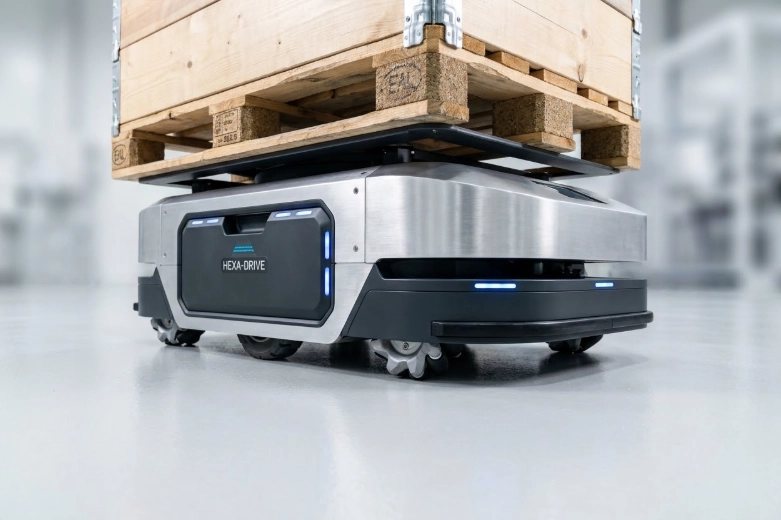
Analyzing Equipment Power
The physical demands of the machine dictate the required voltage and discharge limits. A massive 10-ton straddle carrier lifting shipping containers requires immense equipment power, necessitating massive, high-voltage battery banks capable of discharging hundreds of amps instantly. In contrast, a small floor scrubber or an automated guided cart (AGC) requires much less energy output, allowing for smaller, lower-voltage architectures. Matching the continuous and peak discharge ratings of the cell to the motor’s demands is step one in the engineering process.
Assessing Usage Frequency
How often does the machine run? In a single-shift operation (8 hours a day, 5 days a week), older, slower-charging chemistries might still suffice because there is plenty of overnight downtime for cooling and charging. However, in modern e-commerce fulfillment centers running 24/7 with three shifts, high usage frequency is the norm. In these scenarios, machinery cannot be parked for 16 hours. You need chemistries that support aggressive opportunity charging—plugging in during shift changes and lunch breaks—without degrading the cell structure.
Evaluating Space Conditions
Physical constraints often dictate the final choice. In standard sit-down counterbalanced forklifts, the massive battery compartment is designed to hold heavy weights. However, in narrow-aisle reach trucks or ultra-compact Automated Mobile Robots (AMRs), space conditions are incredibly tight. If the chassis leaves very little room for energy storage, engineers must select high-energy-density chemistries to ensure the machine has enough juice to complete a shift without increasing the physical footprint of the robot.
5. Common User Selection Mistakes
Even with abundant data available, fleet managers and procurement departments frequently fall into costly traps during the specification phase.
The Illusion of the Lowest Purchase Price
The most prevalent and destructive mistake is fixating solely on the initial purchase price. Procurement officers are often incentivized to cut immediate capital expenditures. When comparing quotes, older chemical compositions will always appear vastly cheaper on day one, often costing 50% less than advanced lithium variants. However, selecting a power source based purely on the upfront invoice completely ignores the operational reality of the next five years.
Ignoring the Total Cost of Ownership
Smart businesses understand that the upfront invoice is merely the tip of the iceberg. Failing to calculate the total cost of ownership (TCO) leads to massive financial bleeding over time. TCO encompasses:
- Labor Costs: The man-hours spent checking water levels, cleaning acid spills, and swapping heavy battery packs mid-shift.
- Infrastructure Costs: Traditional setups require dedicated, highly ventilated charging rooms equipped with emergency showers and acid-resistant flooring.
- Energy Efficiency: Advanced cells are about 30% more energy-efficient during charging. Older technologies waste massive amounts of electricity as heat, driving up utility bills.
- Productivity Loss: As older cells degrade, machinery runs slower toward the end of a shift, directly impacting the number of pallets moved per hour.
When the total cost of ownership is accurately mapped over a 5-year period, advanced lithium technologies almost universally prove to be the cheaper, more profitable investment.
6. Which Equipment is Particularly Suitable for Battery Upgrades?
If a facility is looking to modernize its fleet, where should the capital be deployed first to see the highest Return on Investment (ROI)?
High-Frequency Handling Machinery
Any equipment involved in continuous, multi-shift logistics is the prime candidate. High-frequency handling tools, such as electric pallet jacks, reach trucks, and heavy-duty forklifts used in cross-docking operations, benefit immensely from rapid charging capabilities. Upgrading these machines eliminates the need for battery swapping rooms and dual battery packs per truck, immediately streamlining warehouse logistics and boosting driver productivity.
Advanced Automation Equipment
The robotics revolution relies heavily on modern energy storage. Automation equipment, including Autonomous Mobile Robots (AMRs), Automated Guided Vehicles (AGVs), and robotic sorting arms, requires power that is not only compact but highly integrated. These machines rely on smart Battery Management Systems (BMS) that communicate via CAN bus protocols with the robot’s central computer, providing real-time data on state-of-charge and health, ensuring the robot navigates back to a charging dock exactly when needed.
Mission-Critical Backup Systems
Industrial power isn’t just about moving things; it’s about keeping the lights on. Uninterruptible Power Supply (UPS) arrays in server farms, telecom towers, and manufacturing control rooms act as vital backup systems. Historically, these relied on massive racks of lead plates. Upgrading to lithium-based solutions drastically reduces the physical footprint, lowers the cooling requirements of the server room, and guarantees instant, reliable power switching when the main grid fails.
7. The Future: The Extended Value of Solid-State Batteries
While current lithium technologies have revolutionized the sector, the engineering world is already preparing for the next massive leap: ठोस-अवस्था बैटरी. By replacing the liquid electrolyte found in current cells with a solid conductive material (like ceramics or specialized polymers), this technology promises to rewrite the rules of energy storage.

The extended value of this emerging technology cannot be overstated for the heavy machinery sector. By removing the flammable liquid electrolyte, fire risks drop to absolute zero, even under catastrophic physical crushing. Furthermore, they promise dramatically higher energy densities, meaning a forklift could run for two full days on a single, one-hour charge.
As this technology scales and manufacturing costs decrease, we will see it adopted in the most extreme, high-demand industrial applications. Machinery operating in deep-freeze storage facilities (-30°C) or in searing foundry environments (60°C+) will benefit immensely, as solid electrolytes do not freeze or vaporize like their liquid counterparts, ensuring flawless operation in environments where current technologies struggle.
निष्कर्ष
Navigating the landscape of industrial power requires a shift in perspective—from viewing batteries as disposable consumables to recognizing them as strategic, long-term assets. By understanding the core requirements of stability and safety, analyzing the differences between chemical types, and rigorously calculating the total cost of ownership rather than just the upfront invoice, facility managers can optimize their fleets for the future. Whether upgrading high-frequency handling tools today or preparing for the solid-state revolution tomorrow, intelligent energy choices will remain the ultimate driver of industrial efficiency.
पूछे जाने वाले प्रश्न
How long do industrial battery solutions typically last?
Lifespan varies heavily by chemistry and maintenance. Traditional lead-based units typically last 3 to 5 years (approx. 1,000 to 1,500 cycles) if meticulously maintained. In contrast, advanced LiFePO4 packs can easily last 7 to 10 years (3,000 to 5,000+ cycles) with virtually zero maintenance, retaining over 80% of their original capacity after a decade of hard use.
Is it possible to retrofit my existing heavy machinery with modern lithium technology?
Yes, absolutely. Most reputable battery manufacturers offer “drop-in ready” lithium replacements designed to match the exact dimensions, weight requirements, and voltage of older lead-based packs. The internal BMS tricks the machine’s legacy controllers into functioning seamlessly, allowing you to upgrade an entire legacy fleet without buying new machinery.
How do extreme temperatures affect warehouse energy storage?
Temperature extremes are the enemy of battery life. In cold storage (like food distribution), traditional liquid electrolytes thicken, causing up to a 50% drop in runtime and sluggish performance. Extreme heat accelerates chemical degradation. Modern lithium packs equipped with internal thermal management systems (heaters for cold environments and cooling pads for hot ones) are highly recommended to ensure consistent performance regardless of warehouse climate.