









Where Do Lead-Acid Batteries Fit Best
Release time: 2026-07-30
Índice
Despite the rapid advancement of modern energy storage technologies, lead-acid batteries continue to play a critical role in the global market. Whether you are designing a stationary backup system or evaluating cost-effective power solutions, understanding the exact capabilities and limitations of lead-acid technology is essential.
Here is a complete breakdown of where lead-acid batteries excel, where they fall short, and when it is time to upgrade to next-generation alternatives.
1. Why Lead-Acid Batteries Are Still Common
In an era dominated by high-tech energy solutions, the continued prevalence of lead-acid batteries boils down to three fundamental factors: cost, supply chain reliability, and technological maturity.
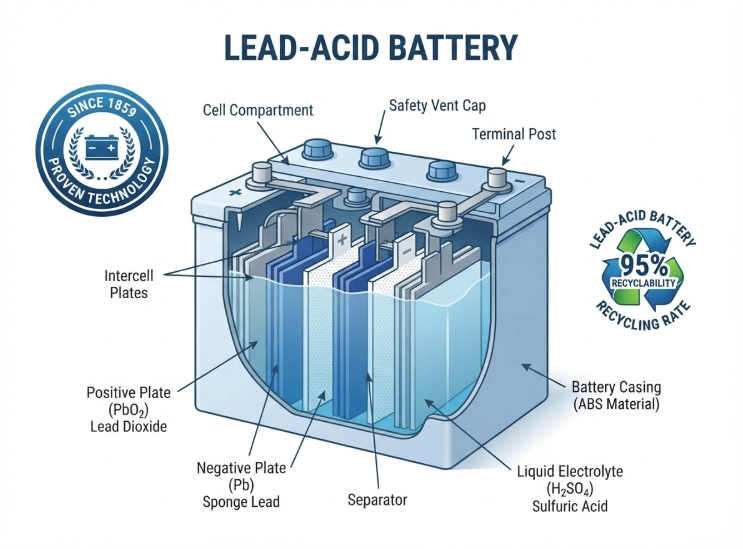
First introduced in 1859, lead-acid is one of the most thoroughly tested battery chemistries in existence. This century-long maturity means their performance, degradation curves, and safety profiles are highly predictable. Furthermore, the global supply chain for raw materials (lead and sulfuric acid) is abundant and deeply localized across most regions, ensuring steady availability and shielding buyers from the volatile price fluctuations often associated with rare-earth metals.
2. Advantages
For buyers prioritizing immediate budget and reliability over extreme performance, lead-acid batteries offer distinct advantages:
- Lowest Upfront Cost (CAPEX): Lead-acid batteries remain the most affordable rechargeable power storage solution on a cost-per-watt-hour basis, making them highly attractive for large-scale deployments on strict budgets.
- Technological Maturity & Safety: With highly predictable charging and discharging behaviors, they are exceptionally stable. The risk of thermal runaway (catching fire) is incredibly low compared to early-generation lithium-ion alternatives.
- Simple Maintenance: Modern Valve-Regulated Lead-Acid (VRLA) and Absorbent Glass Mat (AGM) batteries are sealed and virtually maintenance-free, requiring standard, uncomplicated charging profiles that are compatible with nearly all traditional inverters and controllers.
- Unmatched Recyclability: Lead-acid batteries boast a recycling rate of over 95%, creating a highly sustainable circular economy for the raw materials.
3. Main Limitations to Consider
While cost-effective, lead-acid chemistry has inherent physical and chemical limitations that make it unsuitable for high-performance applications:
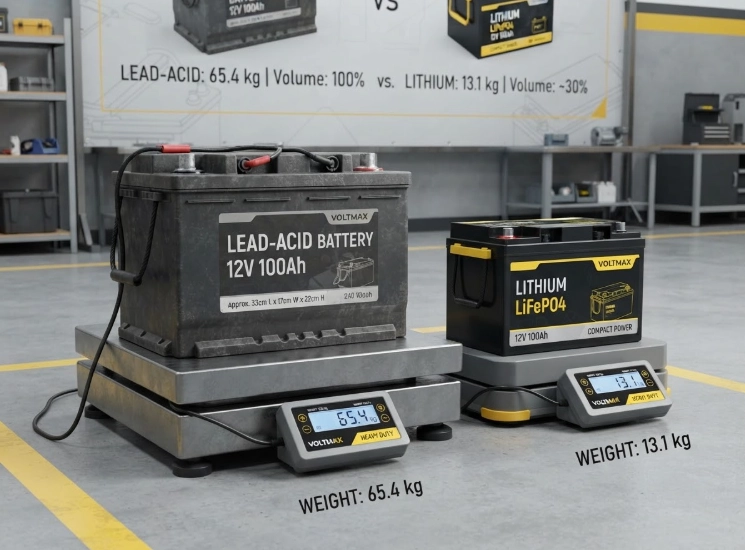
- Low Energy Density (Heavy and Bulky): They have a very low specific energy (typically 30–50 Wh/kg). To store a significant amount of power, the battery bank must be exceptionally large and heavy, severely limiting portability.
- Strict Depth of Discharge (DoD) Limits: To prevent permanent damage and capacity loss, traditional lead-acid batteries should only be discharged to about 50% of their total capacity. This means you are only truly utilizing half of the battery’s rated power.
- Limited Cycle Life: Depending on the depth of discharge, standard lead-acid batteries generally offer between 300 to 500 charge cycles before requiring replacement—a fraction of the lifespan of newer battery chemistries.
- Slow Charging Speeds: They cannot absorb high charging currents efficiently. Attempting to fast-charge a lead-acid battery generates excess heat and accelerates degradation.
4. Optimal Application Scenarios
Because of their heavy weight and low cost, lead-acid batteries are strictly best suited for applications where physical space is abundant, weight is a non-issue, and power is used infrequently. Ideal scenarios include:
- Uninterruptible Power Supplies (UPS): Serving as low-cost emergency backup power for servers, hospitals, and critical infrastructure where the battery sits fully charged 99% of the time.
- Stationary Off-Grid Backup: Budget-conscious residential or commercial solar setups that prioritize low initial capital over long-term high-cycle usage.
- Telecom Base Stations: Providing stable, stationary power reserves for communication towers.
- Starter Batteries (SLI): Providing the short, high-current burst of power needed to start internal combustion engines (cars, generators, and marine vessels).
5. When Is It Time to Consider an Upgrade?
While lead-acid serves well as a basic backup, you should actively consider upgrading your power storage solution when:
- Portability and Space Are Critical: If you are developing or utilizing portable power stations or mobile industrial equipment, the severe weight-to-power ratio of lead-acid becomes a prohibitive bottleneck.
- Daily Deep Cycling Is Required: If your system relies on discharging and recharging every single day (such as primary solar energy storage), the short cycle life of lead-acid will result in high operational expenses (OPEX) due to constant replacements.
- Total Cost of Ownership (TCO) Outweighs CAPEX: While lead-acid is cheaper upfront, upgrading to advanced chemistries usually yields a lower TCO over a 5 to 10-year period due to vastly superior lifespans and zero replacement costs.
6. The Future: Transitioning to Solid-State and Pouch Cell Batteries
As the demand for lighter, safer, and more powerful energy storage grows, the industry is rapidly transitioning past traditional lithium-ion toward Solid-State and Pouch Cell technologies. These advanced architectures overcome the historical limitations of legacy batteries, defining the new standard for modern energy solutions.
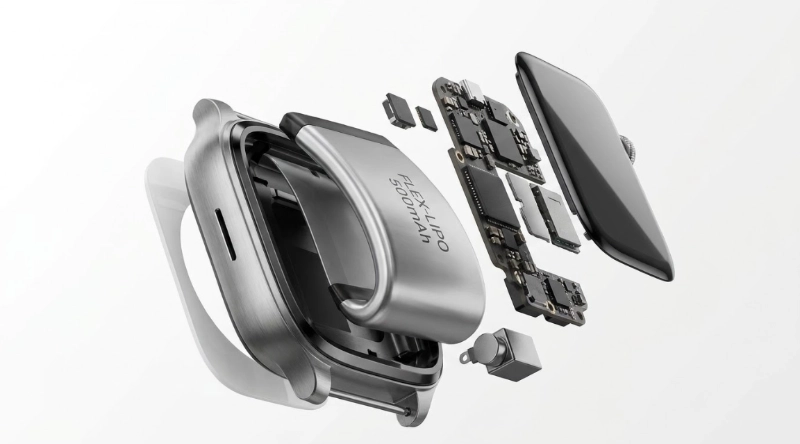
Pouch Cell Batteries (Lamination Technology): By utilizing a flexible, foil-like enclosure rather than a rigid metal cylinder, pouch cells maximize space efficiency. Unlike traditional cylindrical cells (like 18650s) that leave empty, unused gaps when packed together, pouch cells feature a flat, stacked internal structure. This structural advantage yields a packaging efficiency of up to 95%, meaning more active material is packed into a smaller footprint. Furthermore, their large, flat surface area provides superior heat dissipation. This allows them to safely sustain high continuous power output without overheating. For manufacturers and users of portable power storage systems, pouch cells are the driving force behind sleek, ultra-compact designs that can simultaneously output high wattage to heavy-duty appliances without the bulk.
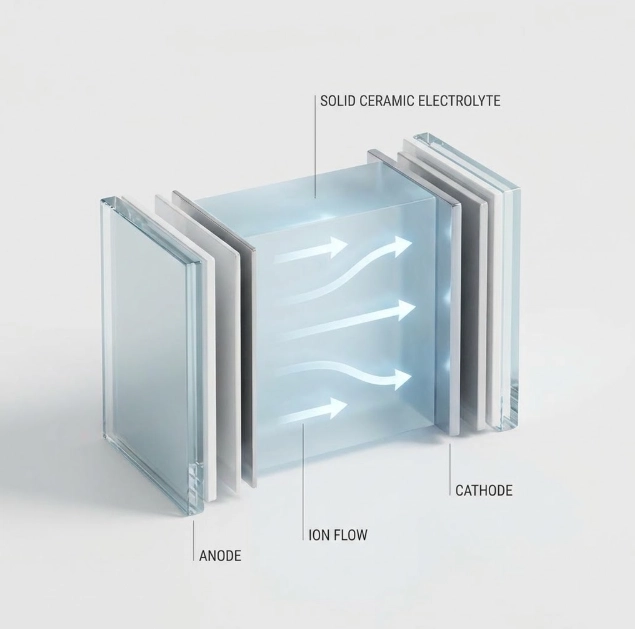
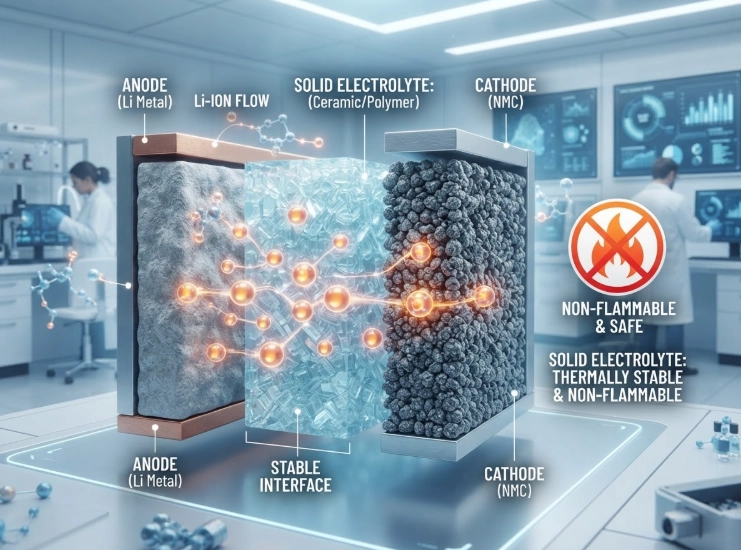
Solid-State Batteries: The leap from liquid to solid electrolytes represents a true paradigm shift in battery chemistry. Traditional batteries rely on flammable liquid electrolytes that can leak or ignite if the battery is punctured or short-circuited. Solid-state technology replaces this with a highly stable, non-flammable solid conductor, eliminating the risk of leaks and drastically reducing the risk of thermal runaway. Even under severe physical abuse, solid-state batteries maintain their integrity. Beyond the absolute safety profile, this chemistry allows for denser electrode materials, pushing energy density (Wh/kg) well beyond current lithium-ion limits. Additionally, solid-state batteries maintain high performance in extreme temperatures—especially in freezing conditions where liquid batteries typically experience severe capacity drops. They offer the ultimate trifecta: unmatched safety, extreme energy density, and robust reliability in harsh outdoor environments.
The Strategic B2B Advantage: For B2B buyers, distributors, and system integrators focused on the next decade of power storage, shifting from lead-acid to these advanced cell architectures is not just a specification upgrade—it is a critical market positioning strategy. These technologies drastically reduce international shipping and freight weights, minimize warranty claims due to exponentially longer lifespans (often exceeding 3,000 to 4,000 cycles), and provide the premium, ultra-safe performance that end-users now demand in high-end portable and residential energy products.
Perguntas frequentes
Can I replace my existing lead-acid battery bank with advanced lithium or solid-state batteries directly?
In most cases, yes, this is known as a “drop-in replacement.” However, you must verify that your inverter or charge controller supports the specific voltage parameters and charging profiles of the new battery chemistry. Many modern inverters are cross-compatible, but checking the specifications is crucial.
What does “Depth of Discharge” (DoD) mean, and why does it matter?
DoD refers to the percentage of the battery’s capacity that has been used. Lead-acid batteries degrade rapidly if discharged beyond 50%. In contrast, modern advanced batteries (like pouch cell or solid-state) can safely be discharged to 80%-100% DoD, meaning a smaller modern battery can do the work of a much larger lead-acid battery.
Are lead-acid batteries safe to keep indoors?
Sealed lead-acid (SLA/VRLA/AGM) batteries are generally safe for indoor use as they are sealed and do not leak under normal conditions. However, “flooded” lead-acid batteries must be kept in highly ventilated areas because they release explosive hydrogen gas during the charging process.
If solid-state and pouch cells are better, why hasn’t lead-acid disappeared?
The primary reason is upfront cost. For applications like a stationary backup generator that is only triggered once or twice a year, paying a premium for a lightweight, 3,000-cycle battery doesn’t make economic sense. Lead-acid remains the king of low-cost, short-duration backup scenarios.