









เมื่อใดที่คุณควรเลือกใช้โซลิดสเตทแทน LFP
Release time: 2026-07-13
สารบัญ
The electrification of the global economy is accelerating at an unprecedented pace. From passenger electric vehicles (EVs) and heavy-duty electric trucks to massive grid-scale energy storage systems and consumer electronics, the demand for advanced energy storage solutions has never been higher. At the heart of this revolution lies a critical technological crossroads. For years, the industry has relied heavily on liquid electrolyte-based lithium-ion technologies. Today, a new challenger is poised to disrupt the status quo: the Solid-State Battery.
As engineers, product managers, and consumers look to the future, the decision of which power source to utilize has become increasingly complex. The dominant current technology offers reliability and affordability, while the emerging technology promises unprecedented performance. To navigate this shifting landscape, we must deeply explore the capabilities, limitations, and ideal use cases for these competing architectures. The ultimate question is no longer just about adopting battery technology; it is about knowing exactly when you should choose a แบตเตอรี่โซลิดสเตท over traditional alternatives.
Understanding the Architectural Divide
To comprehend why a shift is occurring, one must first understand the fundamental anatomical differences between traditional power cells and solid-state technology.
Conventional lithium-ion cells, including the widely used Lithium Iron Phosphate variants, utilize a liquid or gel polymer electrolyte. This liquid acts as a medium, allowing lithium ions to flow back and forth between the cathode and the anode during charging and discharging cycles. While effective, this liquid electrolyte is inherently flammable, sensitive to extreme temperatures, and susceptible to degradation over time. Furthermore, the use of a liquid medium limits the types of anode materials that can be safely used, capping the maximum energy potential of the cell.
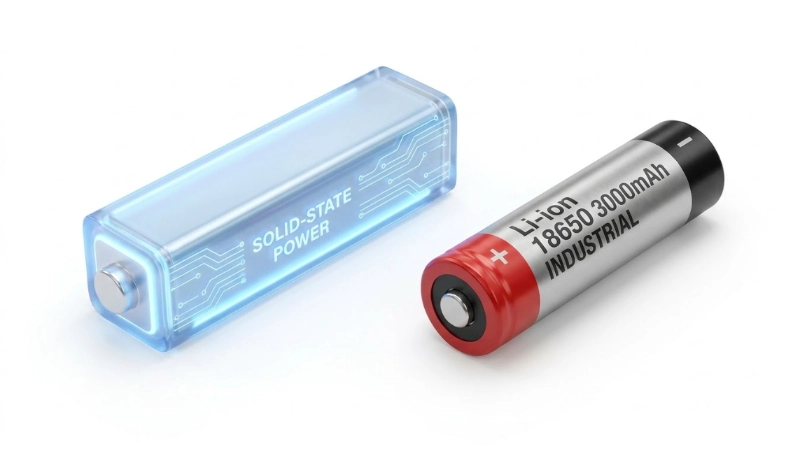
Enter the Solid-State Battery. As the name suggests, this architecture completely replaces the volatile liquid electrolyte with a solid conductive material. These solid electrolytes can be made from various advanced materials, including ceramics (like oxides and sulfides), solid polymers, or glass.
By removing the liquid component, solid-state technology fundamentally alters the physical and chemical limits of energy storage. It allows for the integration of a pure lithium-metal anode—the “holy grail” of battery research—which significantly increases the amount of energy that can be stored in a given physical space. The solid-state architecture is not just an incremental improvement; it is a paradigm shift in electrochemical engineering.
Acknowledging the Current Champion’s Strengths
Before determining when to pivot to next-generation tech, we must establish a baseline. While the standard LFP battery has dominated the standard-range EV market and stationary storage sectors, it has done so for very practical reasons.
To understand the shift, we must first acknowledge the primary LFP battery advantages. First and foremost is cost-effectiveness. Because this chemistry utilizes iron and phosphate—materials that are abundant, cheap, and non-toxic—it avoids the ethical and economic supply chain issues associated with cobalt and nickel. This makes them significantly cheaper to produce at a massive scale. Secondly, they boast an exceptional lifecycle, often capable of enduring thousands of charge-discharge cycles with minimal degradation, making them perfect for grid storage and daily-driver vehicles.
Furthermore, this established technology has earned its reputation as a remarkably เคมีแบตเตอรี่ที่ปลอดภัย due to its high thermal runaway threshold. The strong covalent bonds in the phosphate molecule mean that it takes significantly higher temperatures for the cell to release oxygen and catch fire, providing a strong baseline of safety for consumers.
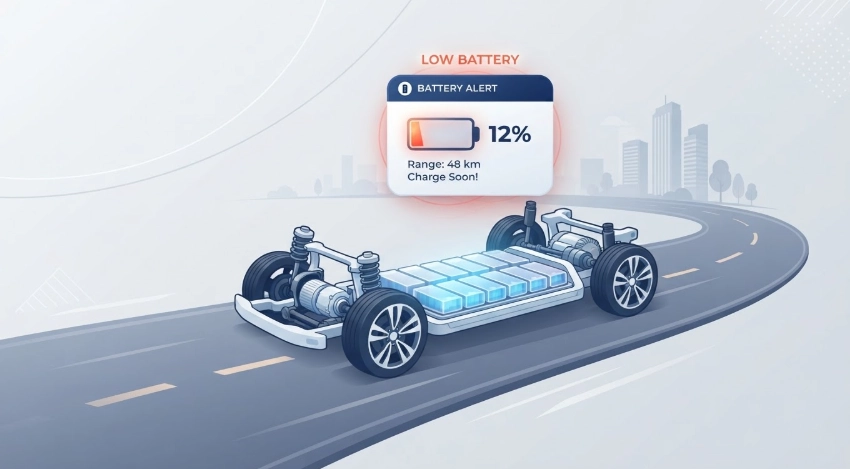
However, its Achilles’ heel remains its energy density. It is relatively heavy and takes up significant space for the amount of energy it provides, which limits the maximum range of vehicles and prevents its use in weight-sensitive applications.
The Solid-State Advantage: Breaking the Limits
If current technologies are cheap and reliable, why is the industry pouring billions of dollars into Solid-State Battery research?
The answer lies in the uncompromising demands of next-generation applications. Solid-State Batteries solve the fundamental physical limitations of liquid-based cells.
1. Unprecedented Energy Density
The most compelling reason to choose a Solid-State Battery is energy density, measured both gravimetrically (Watt-hours per kilogram, Wh/kg) and volumetrically (Watt-hours per liter, Wh/L). Because a solid electrolyte enables the use of a lithium-metal anode without the severe risk of dendrite formation (microscopic, needle-like structures that can pierce cell separators and cause short circuits), solid-state cells can store substantially more energy. While traditional cells peak around 250-300 Wh/kg, solid-state architectures are targeting 400-500 Wh/kg and beyond. This translates to EVs with ranges exceeding 600 to 800 miles on a single charge, or devices that are remarkably thinner and lighter.
2. Rapid Charging Capabilities
Liquid electrolytes can only facilitate ion transfer at a certain speed before lithium plating occurs, permanently damaging the battery and increasing safety risks. Solid-state electrolytes, particularly sulfide-based ceramics, can conduct ions incredibly fast. This allows a แบตเตอรี่โซลิดสเตท to accept massive amounts of current, potentially enabling an 80% charge in less than 10 to 15 minutes—a critical milestone for making EV charging as convenient as pumping gas.
3. Superior Safety Profile
Because they lack the volatile, highly flammable organic liquid solvents found in conventional cells, solid-state architectures are vastly safer. They can withstand physical puncture, crushing, and extreme heat without catching fire or exploding. This inherent safety allows manufacturers to remove heavy, complex cooling systems and protective armor from battery packs, further reducing the overall weight of the vehicle or device.
4. Extreme Temperature Resilience
Liquid batteries struggle in extreme cold (because the liquid becomes viscous, slowing ion movement) and extreme heat (which accelerates degradation and risks thermal runaway). Solid-state electrolytes maintain their structural and conductive integrity across a much broader temperature spectrum, guaranteeing reliable performance from freezing arctic conditions to scorching deserts.
Technical Comparison
To clearly visualize the differences, refer to the table below, which compares the emerging Solid-State Battery against standard chemistries.
| คุณลักษณะ / ตัวชี้วัด | แบตเตอรี่โซลิดสเตท | Standard LFP (Lithium Iron Phosphate) | Standard NMC (Nickel Manganese Cobalt) |
|---|---|---|---|
| สถานะอิเล็กโทรไลต์ | Solid (Ceramic, Polymer, Glass) | โพลิเมอร์ชนิดเหลว/เจล | โพลิเมอร์ชนิดเหลว/เจล |
| Energy Density (Gravimetric) | Very High (400 – 500+ Wh/kg) | Lower (160 – 180 Wh/kg) | High (250 – 300 Wh/kg) |
| Safety / Fire Risk | Exceptionally Low (Non-flammable) | Low (High thermal stability) | Moderate (Requires complex cooling) |
| ความเร็วในการชาร์จ | Ultra-Fast (10-15 mins to 80%) | Moderate (30-40 mins to 80%) | Fast (20-30 mins to 80%) |
| ต้นทุนปัจจุบัน | Very High (Currently in scaling phase) | Very Low (Mature supply chain) | Moderate to High (Cobalt/Nickel dependent) |
| Cold Weather Performance | Excellent (Minimal capacity loss) | Poor (Significant capacity/power loss) | Fair to Good |
| การใช้งานหลัก | Next-gen EVs, Aerospace, Premium Tech | Standard EVs, Grid Storage, E-Bikes | Performance EVs, Consumer Electronics |
Performing the Evaluation: When to Choose Solid-State
Conducting a proper การวิเคราะห์ข้อดีข้อเสียของแบตเตอรี่ requires looking at your specific application’s constraints regarding weight, space, safety, and budget. Solid-State Battery technology is not a one-size-fits-all solution, especially in the current decade where manufacturing costs remain high. You should unequivocally choose solid-state in the following scenarios:
Scenario A: Premium and Long-Range Electric Vehicles
If you are developing a luxury electric vehicle, a hypercar, or an EV truck meant for heavy towing over long distances, the Solid-State Battery is the premier choice. In these applications, the physical space for batteries is limited, but the demand for range is infinite. A solid-state pack allows manufacturers to double the vehicle’s range without altering the chassis size. Furthermore, buyers in the premium segment are less sensitive to the initial higher upfront cost, making the integration economically viable. The ultra-fast charging capability also aligns perfectly with the expectations of premium vehicle consumers who demand convenience.

Scenario B: Aerospace and Aviation (eVTOLs)
The aviation industry is arguably the sector most constrained by weight. Electric Vertical Takeoff and Landing (eVTOL) aircraft and electric airplanes cannot afford the heavy, low-density battery packs of the past. The gravimetric energy density of a Solid-State Battery is not just an advantage here; it is an absolute necessity to achieve sustained flight and viable commercial payload capacities. Furthermore, the inherent safety of solid-state cells—being immune to fiery thermal runaway if a catastrophic failure occurs—is a mandatory requirement for aviation regulatory bodies.
Scenario C: Advanced Medical Implants and Wearables
For medical devices such as pacemakers, neural implants, or advanced biometric wearables, safety and longevity are paramount. A Solid-State Battery can be manufactured in microscopic, ultra-thin form factors. Because there are no liquids to leak, they pose virtually zero chemical threat to the human body. Their high energy density also means implants can last for decades without requiring invasive surgical replacement, drastically improving patient outcomes.
Scenario D: Extreme Environment Operations
If your technology is deployed in environments that experience brutal temperature swings—such as defense applications, space exploration, arctic research equipment, or remote industrial sensors—solid-state is the definitive choice. Traditional cells will freeze and fail to deliver current in extreme sub-zero environments, whereas solid-state cells, particularly those utilizing specific ceramic electrolytes, can continue to operate and deliver power effectively.
When Should You Hold Off?
Despite the revolutionary specifications, a Solid-State Battery is not currently the answer for everything. How should a company conduct a การวิเคราะห์ข้อดีข้อเสียของแบตเตอรี่ today for a budget-friendly project?
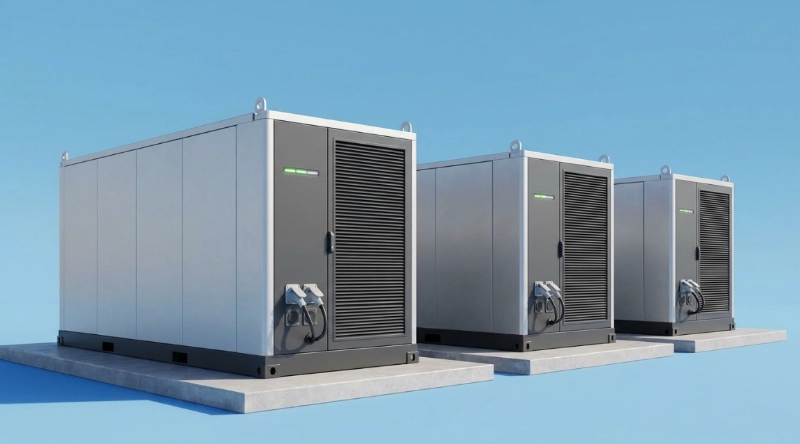
If the primary goal is driving down the initial purchase price of an entry-level EV, or building a massive, multi-megawatt battery energy storage system (BESS) for a solar farm, sticking with legacy tech is the prudent choice. In stationary grid storage, weight and volume do not matter; the battery sits in a shipping container on the ground. Therefore, paying a premium for a lightweight solid-state cell offers zero return on investment. In these use cases, the mature supply chains and rock-bottom prices of established chemistries will remain superior for years to come.
The Manufacturing Horizon and Future Outlook
The primary hurdle preventing you from choosing a Solid-State Battery for every application today is scalable manufacturing. Creating a flawless solid electrolyte at a microscopic level, ensuring perfect continuous contact between the solid layers during expansion and contraction, and doing so at a speed of thousands of cells per hour is a monumental engineering challenge.
However, major automotive alliances and specialized battery startups are heavily investing in pilot lines. We anticipate that Solid-State Batteries will begin appearing in premium niche vehicles by 2026-2027, with broader commercial scaling occurring in the early 2030s. As production volume increases and manufacturing techniques like roll-to-roll processing are adapted for solid materials, the cost curve will aggressively drop.
บทสรุป
Choosing between current liquid-based architectures and next-generation solid-state power comes down to prioritizing constraints. If your application demands the absolute pinnacle of energy density, hyper-fast charging, extreme temperature resilience, and uncompromising safety, and can absorb an initial cost premium, the Solid-State Battery is the undeniable choice. It is not merely an alternative; it is the definitive future of high-performance energy storage, unlocking engineering possibilities that were previously thought impossible.
คำถามที่พบบ่อย
Q1: Are solid-state batteries genuinely safer than current lithium-ion options?
Yes, significantly safer. By completely eliminating the flammable, volatile liquid organic solvents found in traditional cells and replacing them with a solid material, a solid-state cell inherently represents a เคมีแบตเตอรี่ที่ปลอดภัย. It is highly resistant to thermal runaway, meaning it will not easily catch fire or explode even if it is punctured, crushed, or exposed to intense heat.
Q2: Will solid-state technology completely replace the LFP battery?
In the near to medium term, no. While solid-state dominates in performance, the standard LFP battery remains the undisputed king of cost-effectiveness and raw cycle life for applications where weight and size don’t matter. They will likely co-exist for decades: solid-state for premium EVs, aerospace, and portable tech, and iron-phosphate options for budget vehicles and massive grid-scale energy storage.
Q3: Why are solid-state batteries so expensive right now, and when will prices drop?
Currently, they are expensive because they are mostly produced in low-volume pilot facilities. The manufacturing processes require new machinery, highly precise environments, and expensive precursor materials. However, despite the hype around next-generation tech, ข้อดีของแบตเตอรี่ LFP like cost will eventually face competition. As major automakers scale up solid-state mass production facilities toward 2030, economies of scale will drive costs down dramatically, making them a viable option for everyday consumer vehicles.