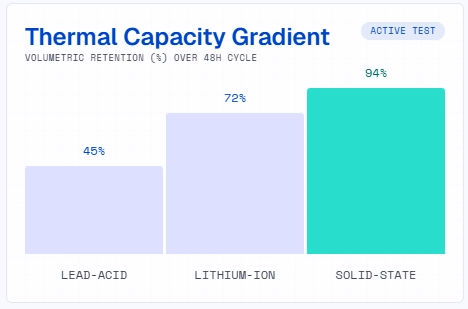










सॉलिड-स्टेट बैटरी की ऊर्जा घनत्व की तुलना
रिलीज की तारीख: 2026-07-16
विषयसूची
विद्युतीकरण और नवीकरणीय ऊर्जा की ओर वैश्विक बदलाव काफी हद तक बिजली को कुशलतापूर्वक, सुरक्षित रूप से और सघन रूप से संग्रहित करने की हमारी क्षमता पर निर्भर करता है। पिछले तीन दशकों से, लिथियम-आयन सेल पोर्टेबल पावर क्रांति का निर्विवाद चैंपियन रहा है, जिसने हमारी जेब में रखे स्मार्टफोन से लेकर राजमार्गों पर चलने वाले इलेक्ट्रिक वाहनों (ईवी) तक, हर चीज को संभव बनाया है। हालांकि, जैसे-जैसे तकनीकी मांगें बढ़ती जा रही हैं, पारंपरिक तरल इलेक्ट्रोलाइट संरचनाओं की अंतर्निहित सीमाएं एक महत्वपूर्ण बाधा बनती जा रही हैं। उन्नत पदार्थ विज्ञान और नवीन विद्युत रासायनिक संरचनाओं द्वारा संचालित, प्रौद्योगिकी क्षेत्र अब एक बड़े प्रतिमान परिवर्तन के कगार पर है।.
इस तकनीकी क्रांति के केंद्र में तरल से ठोस इलेक्ट्रोलाइट्स की ओर परिवर्तन है। यह मूलभूत बदलाव महज एक मामूली सुधार नहीं है; यह विद्युत भंडारण उपकरणों के निर्माण और उनके प्रदर्शन के तरीके को पूरी तरह से बदल देता है। वाष्पशील कार्बनिक तरल इलेक्ट्रोलाइट्स को मजबूत, गैर-ज्वलनशील ठोस पदार्थों से बदलकर, इंजीनियर अभूतपूर्व स्तर का प्रदर्शन हासिल कर रहे हैं। यह व्यापक विश्लेषण इस बदलाव के गहन प्रभाव का पता लगाएगा, जिसमें अंतर्निहित भौतिकी, सामग्री नवाचार और विशिष्ट मापदंड शामिल हैं जो इस अगली पीढ़ी की तकनीक को आधुनिक विद्युतीकरण का अचूक लक्ष्य बनाते हैं।.
पावर स्टोरेज मेट्रिक्स के मूलभूत सिद्धांतों को समझना
जटिल वास्तुशिल्पीय परिवर्तनों में उतरने से पहले, यह समझना आवश्यक है कि बैटरी के प्रदर्शन को कैसे मापा जाता है। जब इंजीनियर और पदार्थ वैज्ञानिक विद्युत भंडारण समाधानों का मूल्यांकन करते हैं, तो वे मुख्य रूप से दो अलग-अलग लेकिन परस्पर संबंधित मापदंडों पर ध्यान केंद्रित करते हैं: गुरुत्वाकर्षण विशिष्ट ऊर्जा और आयतन क्षमता।.
गुरुत्वाकर्षण विशिष्ट ऊर्जा, जिसे अक्सर वाट-घंटे प्रति किलोग्राम (Wh/kg) में मापा जाता है, यह निर्धारित करती है कि कोई प्रणाली अपने भौतिक भार के सापेक्ष कितनी शक्ति धारण कर सकती है। उन अनुप्रयोगों में जहां द्रव्यमान एक महत्वपूर्ण बाधा है—जैसे कि एयरोस्पेस, इलेक्ट्रिक विमानन और उच्च-प्रदर्शन वाली ऑटोमोबाइल निर्माण—उच्च Wh/kg रेटिंग प्राप्त करना अत्यंत महत्वपूर्ण है। प्रत्येक अतिरिक्त किलोग्राम भार को स्थानांतरित करने के लिए अधिक शक्ति की आवश्यकता होती है, जिससे दक्षता में कमी आती है।.
इसके विपरीत, वाट-घंटे प्रति लीटर (Wh/L) में मापी जाने वाली आयतनिक क्षमता यह निर्धारित करती है कि किसी विशिष्ट स्थान में कितनी शक्ति समाहित की जा सकती है। अल्ट्रा-थिन लैपटॉप और स्मार्टवॉच जैसे उपभोक्ता इलेक्ट्रॉनिक उपकरणों के साथ-साथ यात्री इलेक्ट्रिक वाहनों में सीमित चेसिस स्थान का अधिकतम उपयोग करने के लिए, आयतनिक दक्षता वजन जितनी ही महत्वपूर्ण है। एक विद्युत स्रोत भले ही बेहद हल्का हो, लेकिन यदि वह वाहन के पूरे ट्रंक को घेर लेता है, तो उसका व्यावहारिक उपयोग गंभीर रूप से सीमित हो जाता है।.
आधुनिक विद्युत रसायन विज्ञान का अंतिम लक्ष्य सुरक्षा या स्थायित्व से समझौता किए बिना इन दोनों मापदंडों को एक साथ अधिकतम करना है। यही वह क्षेत्र है जहां अगली पीढ़ी के ठोस-इलेक्ट्रोलाइट सिस्टम अपनी प्रतिभा का प्रदर्शन करते हैं, जो सीमित स्थान में रासायनिक रूप से संभव होने के नियमों को मौलिक रूप से पुनर्लिखित करते हैं।.
तरल इलेक्ट्रोलाइट्स और लिथियम आयन की अड़चन
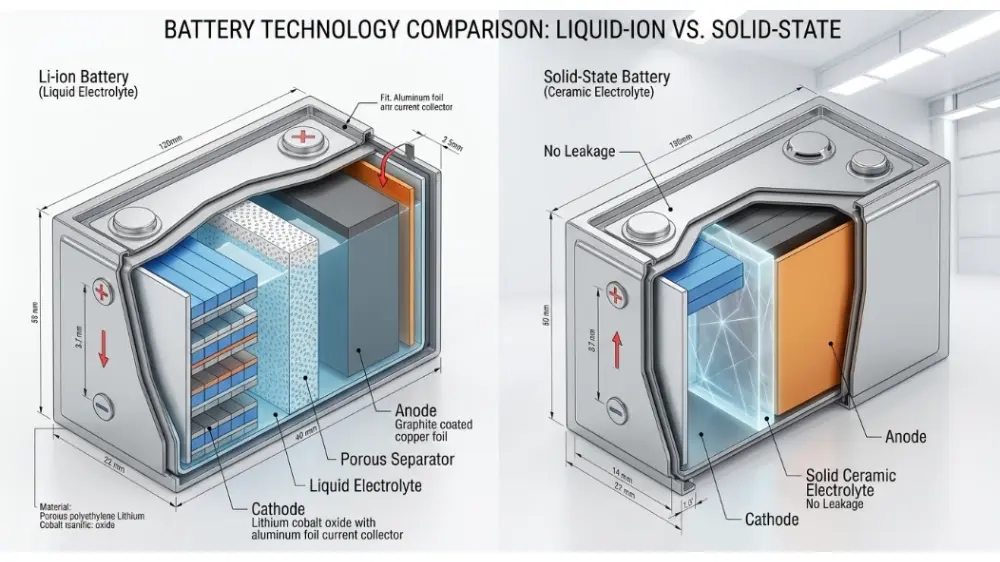
इस अभूतपूर्व प्रगति को समझने के लिए, हमें पहले यह समझना होगा कि पारंपरिक लिथियम-आयन प्रणालियाँ विकास के मामले में एक ठहराव पर क्यों पहुँच गई हैं। पारंपरिक सेल में एक ग्रेफाइट एनोड, एक लिथियम-मेटल-ऑक्साइड कैथोड और एक तरल इलेक्ट्रोलाइट विलयन होता है जो चार्जिंग और डिस्चार्जिंग चक्रों के दौरान लिथियम आयनों को आगे-पीछे आवागमन करने की अनुमति देता है। एनोड और कैथोड के बीच एक छिद्रयुक्त पॉलिमर विभाजक लगा होता है ताकि वे आपस में न टकराएँ और शॉर्ट सर्किट न हो।.
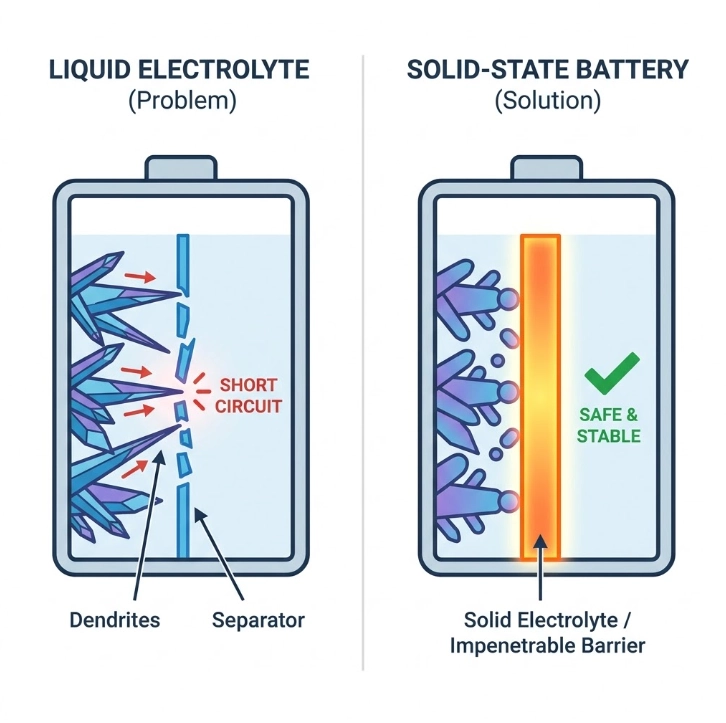
हालांकि यह तरल आधारित प्रणाली अत्यधिक प्रभावी है, लेकिन इसमें तीन प्रमुख कमियां हैं। पहली, तरल इलेक्ट्रोलाइट स्वभाव से ज्वलनशील होता है। यदि सेल में छेद हो जाए, वह कुचल जाए या अत्यधिक गर्म हो जाए, तो इससे थर्मल रनवे नामक एक विनाशकारी श्रृंखला प्रतिक्रिया शुरू हो सकती है। दूसरी, तरल प्रणालियां एनोड सामग्री के चयन को सीमित करती हैं। वैज्ञानिकों को लंबे समय से पता है कि शुद्ध लिथियम धातु को एनोड के रूप में उपयोग करने से क्षमता में काफी वृद्धि होगी, लेकिन तरल वातावरण में, शुद्ध लिथियम चार्जिंग के दौरान "डेंड्राइट्स" - सूक्ष्म, सुई जैसी संरचनाएं - बनाने लगता है। ये डेंड्राइट्स आसानी से पॉलीमर सेपरेटर को भेद देते हैं, जिससे आंतरिक शॉर्ट सर्किट और आग लग सकती है।.
डेंड्राइट की इस समस्या के कारण, वर्तमान तकनीकों को लिथियम आयनों के लिए होस्ट संरचना के रूप में ग्रेफाइट का उपयोग करने के लिए मजबूर होना पड़ता है। ग्रेफाइट एक स्पंज की तरह काम करता है, जो आयनों को सुरक्षित रूप से अवशोषित करता है, लेकिन यह सेल में अत्यधिक "अतिरिक्त भार" और आयतन जोड़ता है, जबकि इससे कोई अतिरिक्त शक्ति प्राप्त नहीं होती। सुरक्षा के लिए यह एक आवश्यक समझौता है, लेकिन यह अधिकतम प्राप्त करने योग्य शक्ति सांद्रता को गंभीर रूप से सीमित कर देता है।.
लिथियम धातु एनोड
ठोस-इलेक्ट्रोलाइट संरचना में परिवर्तन से पूरा समीकरण ही बदल जाता है। तरल माध्यम और पॉलिमर विभाजक को कठोर ठोस पदार्थ—जैसे उन्नत सिरेमिक, सल्फाइड या ठोस पॉलिमर—से प्रतिस्थापित करने पर भौतिक अवरोध इतना मजबूत हो जाता है कि वह यांत्रिक रूप से डेंड्राइट के विकास को रोक सके।.
डेंड्राइट्स को नियंत्रित किया जा सकता है, इसलिए इंजीनियर अंततः भारी-भरकम ग्रेफाइट एनोड को हटाकर उसकी जगह शुद्ध लिथियम धातु की एक अति पतली परत लगा सकते हैं। इस एक पदार्थ के प्रतिस्थापन से ही अगली पीढ़ी के अनुसंधान में प्रदर्शन में ज़बरदस्त सुधार देखने को मिलता है। ग्रेफाइट होस्ट को हटाने से सेल काफी हल्का और पतला हो जाता है, जिससे Wh/kg और Wh/L दोनों मापदंडों में तुरंत ज़बरदस्त वृद्धि होती है।.
जब उद्योग विशेषज्ञ परिवहन के भविष्य का अनुमान लगाते हैं, तो सैद्धांतिक और व्यावहारिक दोनों पहलुओं पर विचार किया जाता है। ठोस-अवस्था बैटरी ऊर्जा घनत्व इलेक्ट्रिक वाहनों की 1,000 किलोमीटर की रेंज और पांच मिनट में ईंधन भरने की क्षमता को निर्धारित करने वाला एकमात्र महत्वपूर्ण कारक अक्सर यही होता है। सैद्धांतिक अवधारणा से बड़े पैमाने पर उत्पादन की वास्तविकता में बदलना ही वर्तमान में दुनिया भर में अरबों डॉलर के निवेश का मुख्य केंद्र है।.
एक प्रत्यक्ष विश्लेषणात्मक विश्लेषण
इस तकनीकी छलांग की विशालता को सही मायने में समझने के लिए, हमें मूल आंकड़ों पर गौर करना होगा। निम्नलिखित तालिका एक व्यापक विवरण प्रदान करती है। ऊर्जा घनत्व तुलना विभिन्न ऐतिहासिक, वर्तमान और भविष्य की ऊर्जा भंडारण प्रौद्योगिकियों के संदर्भ में। इन रासायनिक प्रक्रियाओं की तुलना करने पर, बिजली उत्पादन क्षमता में होने वाली तीव्र वृद्धि स्पष्ट रूप से दिखाई देती है।.
विद्युत रासायनिक संरचनाओं की तुलनात्मक
| बैटरी प्रौद्योगिकी | एनोड सामग्री | इलेक्ट्रोलाइट अवस्था | गुरुत्वाकर्षण (Wh/kg) | आयतनिक (शहद/लीटर) | सुरक्षा प्रोफ़ाइल | प्राथमिक आवेदन |
|---|---|---|---|---|---|---|
| लैड एसिड | नेतृत्व करना | तरल (अम्ल) | 30 – 50 | 50 – 90 | मध्यम | विरासत ऑटोमोटिव स्टार्टर्स |
| निकेल-धातु हाइड्राइड | हाइड्रोजन मिश्रधातु | तरल (क्षारीय) | 60 – 120 | 150 – 300 | उच्च | प्रारंभिक हाइब्रिड वाहन (प्रियस) |
| लिथियम-आयन (एलएफपी) | सीसा | तरल (कार्बनिक) | 150 – 170 | 300 – 400 | बहुत ऊँचा | मानक श्रेणी की आधुनिक इलेक्ट्रिक वाहन |
| लिथियम-आयन (एनएमसी) | सीसा | तरल (कार्बनिक) | 250 – 300 | 600 – 700 | मध्यम | लंबी दूरी की आधुनिक इलेक्ट्रिक वाहन |
| उन्नत सिलिकॉन-एनोड | सिलिकॉन-ग्रेफाइट | तरल (कार्बनिक) | 300 – 350 | 700 – 800 | मध्यम | प्रीमियम उपभोक्ता इलेक्ट्रॉनिक्स |
| अगली पीढ़ी के पॉलिमर | लिथियम धातु | ठोस (पॉलिमर) | 350 – 400 | 800 – 900 | उच्च | विशिष्ट औद्योगिक, गर्म ईवी |
| अगली पीढ़ी का सल्फाइड | लिथियम धातु | ठोस (सल्फाइड) | 400 – 500+ | 1,000 – 1,200+ | बहुत ऊँचा | भविष्य के बड़े पैमाने पर बाजार में आने वाले इलेक्ट्रिक वाहन |
| अगली पीढ़ी का ऑक्साइड | लिथियम धातु | ठोस (सिरेमिक) | 450 – 500+ | 1,100 – 1,300+ | अत्यंत ऊंचा | एयरोस्पेस, चिकित्सा उपकरण |
डेटा का विश्लेषण करना
जैसा कि इसमें दर्शाया गया है ऊर्जा घनत्व तुलना ऊपर बताए गए लेड-एसिड और NiMH जैसी पुरानी प्रणालियाँ आधुनिक लिथियम-आयन प्रणालियों से काफी पीछे रह जाती हैं। हालांकि, सबसे उन्नत मौजूदा तरल-आधारित निकेल मैंगनीज कोबाल्ट (NMC) सेल की सैद्धांतिक सीमा लगभग 350 Wh/kg है। इस सीमा से आगे, तरल इलेक्ट्रोलाइट स्थिर नहीं रह पाता है, और व्यावसायिक उपयोग के लिए सुरक्षा जोखिम पूरी तरह से अनियंत्रित हो जाते हैं।.
इसके बिल्कुल विपरीत, ड्राई-सेल आर्किटेक्चर आसानी से 350 Wh/kg की सीमा को पार कर जाते हैं। सल्फाइड और ऑक्साइड-आधारित सिस्टम वर्तमान में प्रयोगशाला वातावरण में 400 से 500 Wh/kg की रेंज में क्षमता प्रदर्शित कर रहे हैं, जिनकी वॉल्यूमेट्रिक क्षमताएं नियमित रूप से 1,000 Wh/L से अधिक हैं। इसका मतलब है कि मौजूदा EV सेल के समान भौतिक आयामों वाला एक सेल संभावित रूप से 50% से 80% अधिक शक्ति धारण कर सकता है। दूसरे शब्दों में, एक ऑटोमोबाइल निर्माता आज उपलब्ध ड्राइविंग रेंज को लगभग आधा करते हुए पावर पैक के भौतिक आकार और वजन को कम कर सकता है, जिससे वाहन की दक्षता, संचालन और टायर घिसाव में काफी सुधार होगा।.
पदार्थ विज्ञान: ठोस इलेक्ट्रोलाइट्स के तीन स्तंभ
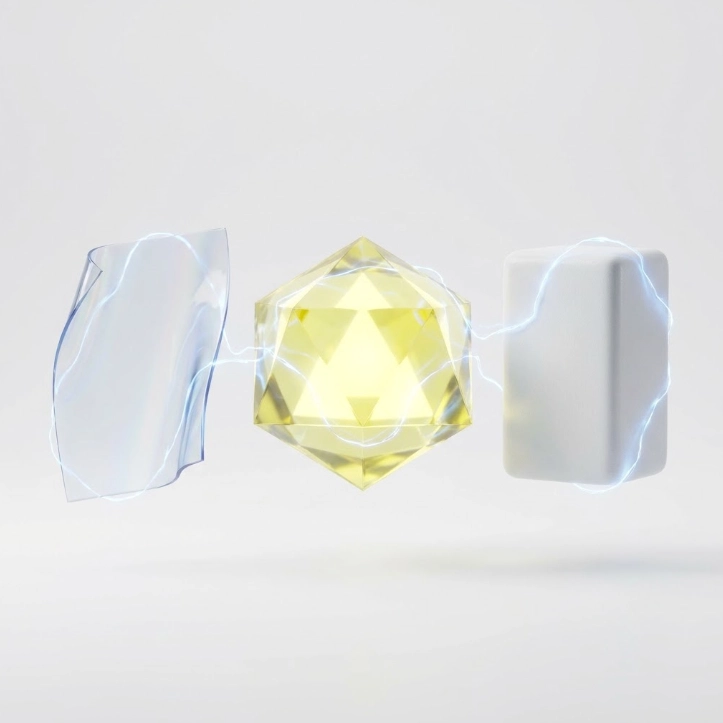
सभी ड्राई-सेल संरचनाएं एक जैसी नहीं होतीं। उद्योग वर्तमान में तीन मुख्य विकास मार्गों में विभाजित है, जिनमें से प्रत्येक ठोस इलेक्ट्रोलाइट के लिए विभिन्न प्रकार की सामग्रियों का उपयोग करता है। इन अंतरों को समझना यह अनुमान लगाने के लिए महत्वपूर्ण है कि किन क्षेत्रों को पहले लाभ होगा।.
1. पॉलिमर-आधारित प्रणालियाँ
पॉलिमर इलेक्ट्रोलाइट्स पर सबसे पहले शोध किया गया और इन्हें व्यावसायिक रूप से उपयोग में लाया गया। ये मूल रूप से जटिल प्लास्टिक होते हैं जो लिथियम आयनों का संचालन कर सकते हैं। इनका मुख्य लाभ इनकी निर्माण क्षमता में निहित है; ये लचीले होते हैं, मौजूदा रोल-टू-रोल निर्माण उपकरणों का उपयोग करके आसानी से संसाधित किए जा सकते हैं, और अपेक्षाकृत सस्ते होते हैं। हालांकि, इनकी प्रमुख कमी कमरे के तापमान पर कम आयनिक चालकता है। कई पॉलिमर प्रणालियों को कुशलतापूर्वक बिजली आपूर्ति करने से पहले 60°C (140°F) तक पहुंचने के लिए आंतरिक तापन तत्वों की आवश्यकता होती है। हालांकि ये नगरपालिका बसों या ग्रिड भंडारण के लिए उपयुक्त हैं जहां परिवेशीय ताप को नियंत्रित किया जा सकता है, लेकिन ये उपभोक्ता स्मार्टफोन या ठंडे मौसम में चलने वाली मानक यात्री कारों के लिए उतने उपयुक्त नहीं हैं।.
2. सल्फाइड-आधारित प्रणालियाँ
ऑटोमोटिव अनुप्रयोगों में वर्तमान में सबसे आगे चल रहे सल्फाइड-आधारित ठोस इलेक्ट्रोलाइट्स असाधारण आयनिक चालकता प्रदान करते हैं—जो अक्सर कमरे के तापमान पर तरल इलेक्ट्रोलाइट्स के बराबर या उससे भी अधिक होती है। ये अपेक्षाकृत नरम होते हैं, जिसका अर्थ है कि ये एनोड और कैथोड पदार्थों के साथ उत्कृष्ट भौतिक संपर्क बना सकते हैं, जिससे आंतरिक प्रतिरोध कम हो जाता है। प्रमुख ऑटोमोटिव कंपनियां सल्फाइड में भारी निवेश कर रही हैं। हालांकि, मुख्य चुनौती रासायनिक स्थिरता है। सल्फाइड हवा में मौजूद नमी के साथ प्रतिक्रिया करके जहरीली हाइड्रोजन सल्फाइड (H2S) गैस उत्पन्न कर सकते हैं। इसलिए, इनके निर्माण के लिए अत्यधिक शुष्क क्लीनरूम की आवश्यकता होती है, जिससे उत्पादन लागत में काफी वृद्धि होती है।.
3. ऑक्साइड आधारित प्रणालियाँ (सिरेमिक्स)
लिथियम लैंथनम ज़िरकोनियम ऑक्साइड (LLZO) जैसे ऑक्साइड ठोस इलेक्ट्रोलाइट्स मूल रूप से उन्नत सिरेमिक हैं। इनमें असाधारण रासायनिक स्थिरता, शून्य ज्वलनशीलता और एक अत्यंत विस्तृत इलेक्ट्रोकेमिकल विंडो होती है, जिससे इन्हें अल्ट्रा-हाई-वोल्टेज कैथोड के साथ जोड़ा जा सकता है। इनकी खामी इनकी भंगुर प्रकृति है। चूंकि ये कठोर सिरेमिक हैं, इसलिए चक्रण के दौरान कठोर इलेक्ट्रोलाइट और सक्रिय रूप से फैलने/सिकुड़ने वाले इलेक्ट्रोड के बीच सूक्ष्म संपर्क सुनिश्चित करना बेहद मुश्किल है। इससे उच्च अंतरास्थि प्रतिरोध उत्पन्न होता है। इसके अलावा, पतली सिरेमिक शीट को बिना दरार पड़े संसाधित करना एक बड़ी निर्माण चुनौती बनी हुई है। इन चुनौतियों के बावजूद, इनकी पूर्ण सुरक्षा प्रोफ़ाइल इन्हें मिशन-क्रिटिकल अनुप्रयोगों के लिए अत्यधिक वांछनीय बनाती है।.
विभिन्न उद्योगों में परिवर्तनकारी अनुप्रयोग
इलेक्ट्रिक विमानन और एयरोस्पेस
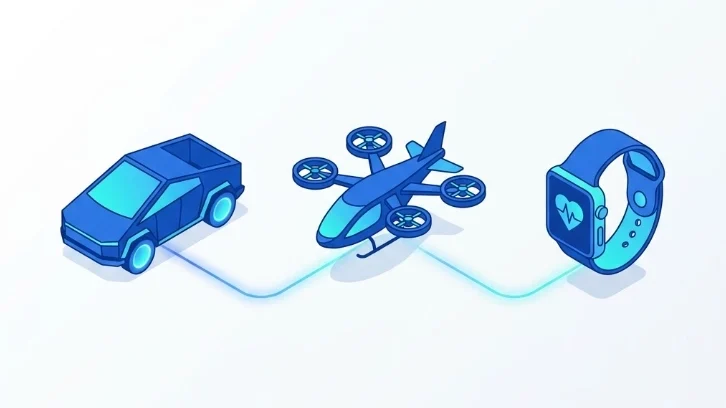
शायद ही कोई उद्योग एयरोस्पेस जितना भार-संवेदनशील हो। वर्तमान पीढ़ी के इलेक्ट्रिक वर्टिकल टेकऑफ़ और लैंडिंग (ईवीटीओएल) विमान और छोटी दूरी के इलेक्ट्रिक विमान तरल-आधारित सेल के भार से बुरी तरह प्रभावित हैं। व्यावसायिक रूप से व्यवहार्य पेलोड क्षमता और उड़ान दूरी प्राप्त करने के लिए, विमानन क्षेत्र को एक उच्च ऊर्जा घनत्व वाली बैटरी जो 400 Wh/kg से अधिक है। सिरेमिक या सल्फाइड-आधारित संरचनाओं के व्यावसायीकरण से शून्य-उत्सर्जन क्षेत्रीय हवाई यात्रा का युग सीधे तौर पर संभव हो सकेगा, जो भार और उत्प्लावन के भौतिकी के कारण पहले असंभव माना जाता था।.
ऑटोमोटिव स्वतंत्रता
उपभोक्ता के लिए सबसे बड़ा बदलाव "रेंज की चिंता" का पूरी तरह से खत्म होना होगा। अगली पीढ़ी की ड्राई सेल से लैस एक सामान्य सेडान एक बार चार्ज करने पर आराम से 800 से 1,000 किलोमीटर (500 से 620 मील) की दूरी तय कर सकती है। इसके अलावा, ठोस इलेक्ट्रोलाइट्स थर्मल डिग्रेडेशन के प्रति अत्यधिक प्रतिरोधी होते हैं, इसलिए वे सेल के जीवनकाल को कम किए बिना अल्ट्रा-फास्ट चार्जिंग करंट को स्वीकार कर सकते हैं। हम एक ऐसे भविष्य की ओर बढ़ रहे हैं जहां 300 मील की रेंज जोड़ने में दस मिनट से भी कम समय लगेगा - जो पेट्रोल भरवाने के अनुभव के लगभग समान होगा।.
पहनने योग्य उपकरण और उपभोक्ता इलेक्ट्रॉनिक्स
स्मार्टफ़ोन, टैबलेट और मेडिकल इम्प्लांट्स के क्षेत्र में, भौतिक स्थान सबसे महत्वपूर्ण चीज़ है। 1,000 Wh/L से अधिक वॉल्यूमेट्रिक क्षमता वाले आर्किटेक्चर को अपनाकर, प्रौद्योगिकी कंपनियां ऐसे उपकरण डिज़ाइन कर सकती हैं जो काफ़ी पतले हों, या मौजूदा मोटाई को बनाए रखते हुए चार्जिंग के बीच के समय को दोगुना कर सकती हैं। इसके अलावा, ज्वलनशील इलेक्ट्रोलाइट्स की पूर्ण सुरक्षा पेसमेकर या उन्नत न्यूरल इम्प्लांट्स जैसे चिकित्सा उपकरणों के लिए एक बड़ा वरदान है, जहां उच्च ऊर्जा घनत्व वाली बैटरी इसे मानव शरीर के भीतर बिना किसी तापीय विस्तार या रिसाव के जोखिम के त्रुटिहीन रूप से कार्य करना चाहिए।.
व्यावसायीकरण की चुनौतियाँ
बेहद सकारात्मक आंकड़ों के बावजूद, तरल इलेक्ट्रोलाइट्स से दूर जाने का यह सफर कई बड़ी चुनौतियों से भरा है। एक प्राचीन प्रयोगशाला कॉइन-सेल प्रोटोटाइप से लेकर लाखों ऑटोमोटिव-ग्रेड पाउच सेल बनाने में सक्षम मल्टी-गीगावाट-घंटे की फैक्ट्री तक पहुंचने के लिए इंजीनियरिंग से जुड़ी कई बड़ी बाधाओं को पार करना पड़ता है।.
सबसे पहले, अंतरास्थि प्रतिरोध का मुद्दा आता है। एक पारंपरिक सेल में, तरल इलेक्ट्रोलाइट कैथोड और एनोड के प्रत्येक सूक्ष्म छिद्र में प्रवाहित होता है, जिससे उत्तम विद्युत रासायनिक संपर्क सुनिश्चित होता है। एक पूर्णतः ठोस प्रणाली में, दो कठोर पदार्थों को एक साथ दबाने से अनिवार्य रूप से सूक्ष्म वायु अंतराल बन जाते हैं। ये अंतराल लिथियम आयनों के प्रवाह को गंभीर रूप से बाधित करते हैं। इससे निपटने के लिए, सल्फाइड-आधारित कई डिज़ाइनों में उच्च बाहरी दबाव—कभी-कभी कई वायुमंडलीय बल—की आवश्यकता होती है, जिसे संपर्क बनाए रखने के लिए सेल आवरण पर निरंतर लगाया जाता है। ऐसे बैटरी पैक का निर्माण करना जो अत्यधिक वजन बढ़ाए बिना इस भौतिक दबाव को बनाए रख सकें, ऑटोमोटिव इंजीनियरों के लिए एक बड़ी चुनौती है।.
दूसरा मुद्दा आपूर्ति श्रृंखला और उत्पादन पैमाने का है। वैश्विक आपूर्ति श्रृंखला ने तरल आधारित लिथियम-आयन सेल के रोल-टू-रोल उत्पादन को अनुकूलित करने में दशकों बिताए हैं। भंगुर सिरेमिक या नमी-संवेदनशील सल्फाइड में परिवर्तन के लिए पूरी तरह से नई उत्पादन तकनीकों, विशेष क्लीनरूम और नवीन प्रसंस्करण उपकरणों की आवश्यकता होती है। इन नए गीगाफैक्ट्री के निर्माण के लिए आवश्यक प्रारंभिक पूंजीगत व्यय बहुत अधिक है, जिसके कारण शुरुआती पीढ़ी के ड्राई सेल अपने तरल समकक्षों की तुलना में काफी महंगे होंगे।.
अंत में, चार्जिंग के दौरान शुद्ध लिथियम धातु एनोड के भौतिक विस्तार को नियंत्रित करना एक जटिल चुनौती बनी हुई है। जैसे-जैसे लिथियम आयन एनोड पर जमा होते हैं, धातु का भौतिक आयतन बढ़ता जाता है। ऐसे मजबूत सेल आवरणों का डिज़ाइन तैयार करना जो इस विस्तार के साथ-साथ आंतरिक दबाव को बनाए रखते हुए आंतरिक परतों के विखंडन (अलगाव) को रोक सकें, एक जटिल यांत्रिक अभियांत्रिकी समस्या है जिसे अब जाकर उन्नत पॉलिमर बाइंडर और कंपोजिट डिज़ाइन के माध्यम से हल किया जा रहा है।.
आगे का रास्ता
उद्योग विश्लेषकों, सामग्री वैज्ञानिकों और ऑटोमोबाइल निर्माताओं के बीच आम सहमति यह है कि अगले दो से तीन वर्षों में प्रीमियम और विशिष्ट अनुप्रयोगों में इन उन्नत आर्किटेक्चर का व्यावसायिक उपयोग शुरू हो जाएगा। उपभोक्ता इलेक्ट्रॉनिक्स, ड्रोन और उच्च श्रेणी की लक्जरी इलेक्ट्रिक वाहन शुरुआती व्यावसायीकरण के लिए परीक्षण स्थल के रूप में काम करेंगे। जैसे-जैसे उत्पादन क्षमता में सुधार होगा, बड़े पैमाने पर उत्पादन से लाभ होगा और उत्पादन लागत कम होगी, यह तकनीक अगले दशक में धीरे-धीरे आम यात्री वाहनों और ग्रिड स्टोरेज समाधानों तक पहुंच जाएगी।.
बेहतर इलेक्ट्रोकेमिकल स्टोरेज की निरंतर खोज आधुनिक प्रौद्योगिकी की सीमाओं को मौलिक रूप से पुनर्परिभाषित कर रही है। डेंड्राइट की समस्या का मौलिक समाधान करके और लंबे समय से प्रतीक्षित लिथियम धातु एनोड को सक्षम बनाकर, शोधकर्ता अंततः उन भौतिक सीमाओं को तोड़ रहे हैं जिन्होंने दशकों से तकनीकी प्रगति को रोक रखा था। तरल से ठोस संरचनाओं में संक्रमण केवल एक उन्नयन नहीं है; यह वह आधारशिला है जिस पर स्वच्छ, टिकाऊ और भविष्य की स्वच्छ ऊर्जा की अगली सदी टिकी है। अत्यधिक कुशल विद्युतीकरण इसका निर्माण किया जाएगा।.
पूछे जाने वाले प्रश्न
पारंपरिक लिथियम-आयन प्रणालियों की तुलना में ठोस इलेक्ट्रोलाइट अधिक सुरक्षित क्यों होते हैं?
परंपरागत लिथियम-आयन प्रणालियाँ तरल कार्बनिक इलेक्ट्रोलाइट्स का उपयोग करती हैं जो अत्यधिक वाष्पशील और ज्वलनशील होते हैं। यदि सेल क्षतिग्रस्त हो जाए, शॉर्ट-सर्किट हो जाए या अत्यधिक गर्म हो जाए, तो यह तरल प्रज्वलित हो सकता है, जिससे एक खतरनाक तापीय अनियंत्रित स्थिति उत्पन्न हो सकती है। उन्नत ड्राई-सेल संरचनाएँ गैर-ज्वलनशील पदार्थों (जैसे सिरेमिक या सल्फाइड) का उपयोग करती हैं जो आग नहीं पकड़ते, जिससे गंभीर भौतिक दुरुपयोग की स्थिति में भी पूरी प्रणाली कहीं अधिक सुरक्षित हो जाती है।.
मैं इस नई तकनीक वाली इलेक्ट्रिक गाड़ी कब खरीद पाऊंगा?
हालांकि आज कार्यशील प्रोटोटाइप मौजूद हैं, लेकिन जटिल विनिर्माण प्रक्रियाओं के कारण बड़े पैमाने पर व्यावसायीकरण में समय लगता है। अधिकांश प्रमुख ऑटोमोबाइल निर्माता और बैटरी संघों का अनुमान है कि अगली पीढ़ी के ड्राई सेल से लैस प्रीमियम, कम मात्रा में उत्पादित इलेक्ट्रिक वाहन 2026 और 2028 के बीच बाजार में आ जाएंगे। उत्पादन लागत में स्वाभाविक रूप से कमी आने के कारण किफायती यात्री कारों में व्यापक उपलब्धता 2030 के दशक की शुरुआत में होने की व्यापक उम्मीद है।.
क्या उच्च ऊर्जा घनत्व का मतलब यह है कि बैटरी तेजी से चार्ज होगी?
जरूरी नहीं, लेकिन इस खास मामले में हां। क्षमता और चार्जिंग गति अलग-अलग मापदंड हैं, लेकिन इन नई सेलों में इस्तेमाल होने वाले उन्नत ठोस पदार्थ उच्च धारा पर भी गर्मी और लिथियम प्लेटिंग के प्रति अत्यधिक प्रतिरोधी हैं। चूंकि ये तरल इलेक्ट्रोलाइट्स की तरह थर्मल तनाव के कारण आसानी से खराब नहीं होते, इसलिए ये बहुत अधिक चार्जिंग धाराओं को सुरक्षित रूप से सहन कर सकते हैं। इसका मतलब है कि आपको लंबी ड्राइविंग रेंज मिलती है और सेल के दीर्घकालिक जीवनकाल को नुकसान पहुंचाए बिना अल्ट्रा-फास्ट चार्जिंग सुविधाओं का उपयोग करने की क्षमता भी मिलती है।.