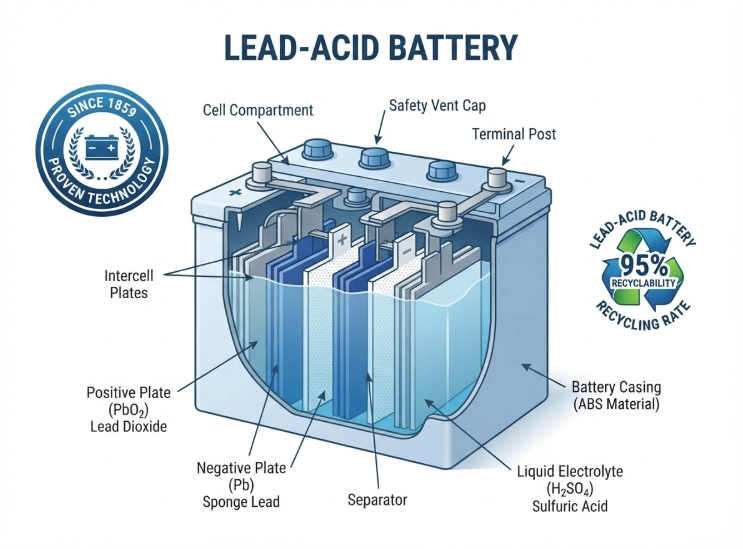










Navigating Battery Requirements for Medical Equipment Manufacturers
Release time: 2026-07-06
Table of Contents
In the rapidly evolving field of medical technology, power is everything. From life-saving implantable pacemakers to portable ultrasound machines and automated external defibrillators (AEDs), the reliability of the power source directly impacts patient outcomes. For designers and engineers, understanding the stringent Battery Requirements for Medical Equipment Manufacturers is not just a matter of regulatory compliance; it is a fundamental obligation to patient safety.
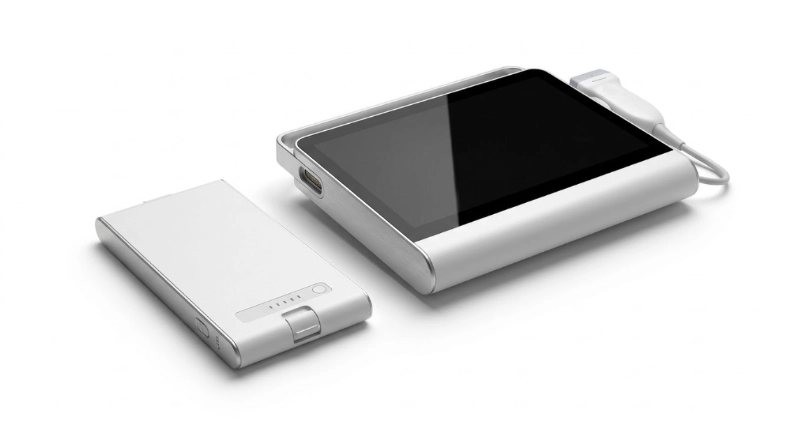
The landscape of medical devices has shifted dramatically towards portability and miniaturization. This shift demands power solutions that offer high energy density, long lifespans, and, above all, absolute reliability. However, placing high-energy batteries in close proximity to patients introduces significant risks. Consequently, navigating the complex web of FDA regulations, international standards like IEC 62133, and quality management systems (QMS) like ISO 13485 is a critical hurdle in the development process.
This comprehensive guide explores the essential medical device battery requirements, detailing the standards for a safe battery for medical use, and outlining the path to achieving complete battery compliance medical.
The Critical Nature of Medical Battery Selection
Unlike consumer electronics, where a dead battery might just mean missing a phone call, a battery failure in a medical device can be a matter of life and death. The “medical battery” is a specialized component, engineered and tested to withstand extreme conditions and perform flawlessly when it matters most.
Why Off-the-Shelf Batteries Fall Short
A common misconception among new medical device developers is that standard, commercially available batteries can be easily integrated into clinical equipment. This approach almost inevitably leads to regulatory rejection or dangerous field failures.
Standard batteries lack the rigorous testing and traceability required for medical applications. They do not typically possess the redundant safety mechanisms necessary to prevent catastrophic events like thermal runaway. Furthermore, off-the-shelf cells rarely come with the comprehensive documentation required to satisfy the FDA’s Quality System Regulation (QMSR) or international equivalents.
The Shift to Lithium-Ion and Lithium-Based Chemistries
Modern medical devices rely heavily on lithium-based chemistries due to their exceptional energy density and stable voltage output. The choice between primary (non-rechargeable) and secondary (rechargeable) cells depends on the device’s function and intended use environment.
- Primary Lithium Batteries: These are the gold standard for implantable devices (like pacemakers and neurostimulators) and low-drain, long-term sensors. Chemistries like Lithium Thionyl Chloride or Lithium Iodine offer incredible longevity, sometimes lasting 10 to 15 years inside the human body, providing a stable power supply without the need for frequent, invasive replacement surgeries.
- Secondary Lithium-Ion Batteries: Portable and reusable hospital equipment, such as infusion pumps, patient monitors, and mobile ventilators, rely on rechargeable lithium-ion packs. While standard Cobalt-based cells are common, Lithium Iron Phosphate (LiFePO4) is increasingly preferred for medical applications due to its superior thermal stability, longer cycle life (often exceeding 2000 cycles), and reduced risk of thermal runaway.
Core Battery Requirements for Medical Equipment Manufacturers
To bring a medical device to market, manufacturers must prove that their power source meets strict safety and performance criteria. The Battery Requirements for Medical Equipment span several distinct areas of testing and certification.
1. International Safety Standards: The Foundation of Compliance
The most critical aspect of battery compliance medical is adhering to internationally recognized safety standards. Regulatory bodies worldwide dictate how power cells must behave, especially under stress.
- IEC 62133 (Secondary Cells): This is the universally recognized safety standard for portable sealed secondary (rechargeable) cells and batteries containing alkaline or other non-acid electrolytes. It is a mandatory requirement for almost all rechargeable medical devices. IEC 62133 tests evaluate how batteries handle physical crushing, extreme temperature fluctuations, deliberate short-circuiting, overcharging, and forced discharge. Passing these rigorous physical and electrical stress tests proves the battery will not catch fire or explode under foreseeable abuse conditions.
- IEC 60086-4 (Primary Lithium Cells): For non-rechargeable lithium batteries used in medical devices, this standard ensures safety under intended use and reasonably foreseeable misuse.
- UL 2054 / UL 1642: These Underwriters Laboratories standards are crucial for the North American market. UL 1642 covers individual lithium cells, while UL 2054 covers household and commercial battery packs (which often apply to portable medical equipment). They involve rigorous electrical, mechanical, and environmental testing.
- UN 38.3 (Transportation): Before a lithium battery can be shipped—whether alone, packed with a device, or contained within a device—it must pass the UN 38.3 testing suite. This simulates the harsh conditions of air transport, including altitude simulation, extreme temperature cycling, vibration, shock, and impact tests.
2. System-Level Integration: IEC 60601-1
Passing battery-specific tests like IEC 62133 is only the first step. The true test of a safe battery for medical use is how it performs within the final device.
The entire medical electrical system must satisfy IEC 60601-1 for basic safety and essential performance. The battery cannot be evaluated in isolation; auditors will examine how the device’s circuitry interacts with the battery, how it handles charging, and whether a battery failure could compromise the device’s essential clinical functions.
3. Quality Management and Traceability: FDA QMSR and ISO 13485
Regulatory compliance is as much about process as it is about the physical product. Under the FDA’s Quality Management System Regulation (QMSR)—which recently incorporated ISO 13485:2016 by reference—medical device battery requirements mandate complete documentation and traceability.
Manufacturers must maintain rigorous records for every component. If a battery fails in the field, the manufacturer must be able to trace that specific battery pack back to its exact manufacturing batch, identifying the specific lot of raw materials used. This level of whole-procedure traceability is essential for isolating problems, managing recalls effectively, and protecting patient safety. It requires partnering with battery suppliers who operate under certified ISO 13485 quality systems.
Engineering a Safe Battery for Medical Use: The Role of the BMS
Because lithium-ion batteries possess high energy densities and volatile electrolytes, they require active management to remain safe. A bare cell is never acceptable for clinical use.
A robust Battery Management System (BMS) is the brain of a medical battery. To meet strict safety standards, the BMS must provide multiple layers of redundant protection.
A smart medical BMS actively monitors:
- Individual Cell Voltages: Ensuring no single cell in a pack is overcharged or over-discharged, which can lead to instability.
- Operating Temperatures: Monitoring internal heat and physically cutting power if temperatures approach dangerous thresholds, preventing thermal runaway.
- Current Flow: Protecting against external short circuits and excessive current draw that could damage the battery or the device.
Furthermore, advanced BMS configurations in medical devices often include communication protocols (like SMBUS) that transmit real-time state-of-charge and state-of-health data to the host device, preventing sudden, unexpected power loss during critical procedures.
Navigating Battery Chemistry and Performance Specifications
Selecting the right chemistry is a critical engineering decision that dictates the device’s size, weight, runtime, and overall safety profile.
| Battery Chemistry | Typical Voltage | Key Advantages for Medical Use | Common Medical Applications |
|---|---|---|---|
| Lithium Thionyl Chloride (Primary) | 3.6V | Extreme longevity (10+ years), very stable voltage, wide temperature range. | Implantable pacemakers, long-term environmental sensors, low-drain devices. |
| Lithium Manganese Dioxide (Primary) | 3.0V | High pulse capability, stable performance. | Defibrillators, specific single-use surgical tools. |
| Lithium Iron Phosphate (LiFePO4) (Secondary) | 3.2V | Exceptional thermal stability (safest Li-ion), long cycle life (2000+ cycles), non-toxic. | Wheelchairs, medical carts, heavy-duty mobile equipment, patient monitors. |
| Lithium Polymer (LiPo) (Secondary) | 3.7V | High energy density, lightweight, customizable shapes (pouch cells). | Wearable monitors, hearing implants, compact diagnostic tools. |
| Nickel-Metal Hydride (NiMH) (Secondary) | 1.2V | Safer chemistry, robust, good for devices needing frequent charging. | Handheld instruments, older legacy medical equipment. |
The Move to Low-Voltage Systems
There is a growing trend in portable and wearable medical devices toward low-voltage systems, typically utilizing 3.7V lithium-ion cells. These low-voltage batteries offer an ideal balance of compact size and high energy efficiency. By matching the battery voltage closely with the requirements of low-power microelectronics, designers eliminate the need for bulky voltage converters, thereby reducing device weight and extending operational runtime—crucial factors for continuous patient monitoring.
Overcoming Design Challenges: The Push for Replaceability
While integrating batteries seamlessly into devices creates sleek, waterproof designs, it presents significant end-of-life challenges.
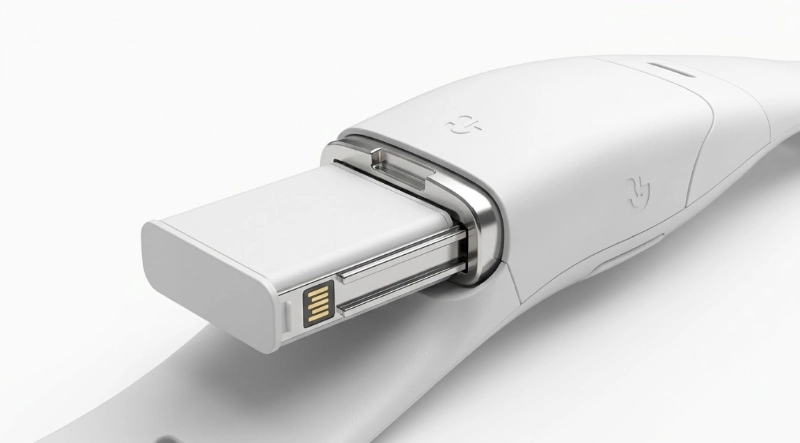
New regulations, particularly in the European Union (EU Battery Regulation 2023/1542), are fundamentally changing medical device battery requirements. Starting in 2027, the EU will require that most portable batteries incorporated into products be readily removable and replaceable by the end-user or a professional without causing damage to the device.
While some medical devices will qualify for exemptions due to safety or sterility requirements (e.g., implantables or highly integrated surgical tools), the general push is toward replaceability. Non-removable batteries complicate disposal, often turning the entire medical device into a hazardous waste or biohazard shipment at the end of its life. Designing devices with easily replaceable batteries not only aids in regulatory compliance but also supports sustainable electronic waste management and circular economy principles.
Conclusion
Satisfying the Battery Requirements for Medical Equipment is a complex, multi-disciplinary challenge that requires careful planning from the earliest stages of device design. Selecting a safe battery for medical use means looking beyond basic specifications and ensuring rigorous adherence to international standards like IEC 62133, FDA traceability mandates, and the implementation of redundant safety systems via a smart BMS.
Achieving full battery compliance medical cannot be an afterthought. By partnering with experienced, medically certified battery manufacturers and prioritizing safety and replaceability in the design phase, equipment manufacturers can ensure their innovations deliver reliable, life-saving performance when patients need it most.
FAQ
1. Do medical device batteries require FDA approval?
The batteries themselves are not usually “FDA approved” as standalone products. Instead, the FDA clears or approves the entire medical device, which includes the battery. However, to get that device approved, you must submit comprehensive documentation proving the battery meets specific recognized consensus standards, such as IEC 62133, UL 2054, and testing under IEC 60601-1. The FDA will also scrutinize your supply chain traceability under QMSR/ISO 13485.
2. Why is Lithium Iron Phosphate (LiFePO4) becoming so popular for medical carts and monitors?
LiFePO4 is highly favored in clinical settings primarily for its safety profile. Unlike standard Lithium Cobalt oxide batteries, LiFePO4 chemistry is exceptionally thermally stable and highly resistant to thermal runaway (catching fire) even if punctured or short-circuited. Additionally, it offers a much longer cycle life (often over 2000 recharge cycles compared to 300-500 for standard Li-ion), making it a highly cost-effective and reliable choice for heavily used hospital equipment.
3. Will the new EU Battery Regulation force us to redesign our sealed medical devices?
It depends on the specific device. The EU Battery Regulation (2023/1542) mandates that by 2027, most portable batteries must be readily removable and replaceable. However, the regulation includes provisions for exemptions, particularly for medical devices where end-user replacement would compromise patient safety, device sterility, or essential performance (e.g., implantables, water-tight surgical tools). Manufacturers must carefully document and justify why a battery cannot be removable to qualify for these exemptions.