









Solid Electrolyte: Why It Matters
Release time: 2026-06-25
Table of Contents
The global energy landscape is undergoing a monumental transition. As industries rush to decarbonize, the limitations of traditional lithium-ion technology are becoming increasingly evident. From electric vehicles (EVs) demanding longer range to consumer electronics requiring faster charging, the modern world is hitting a technological ceiling. At the heart of this challenge is a microscopic component that holds the key to the next generation of energy storage: the electrolyte.
Today, the scientific community and industry giants are shifting their focus from liquid chemistry to solid-state alternatives. Understanding the role of a solid electrolyte battery and why this transition matters is crucial for anyone invested in the future of technology, automotive engineering, and renewable energy.
The Bottleneck of Liquid Electrolytes
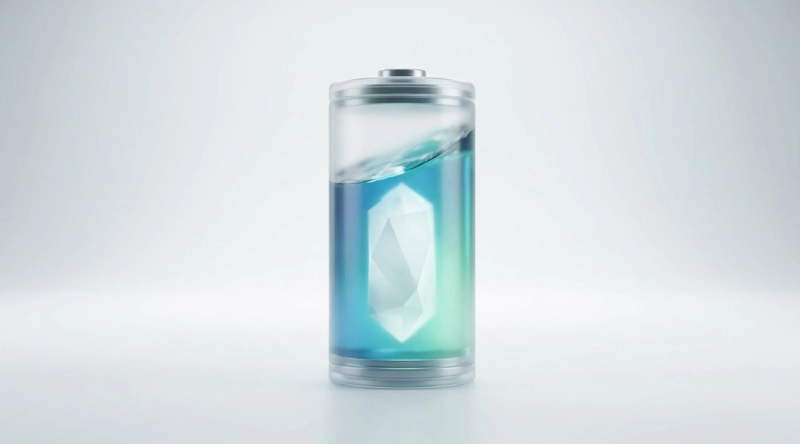
To appreciate why a solid-state approach is revolutionary, one must first understand how current batteries operate. In a standard lithium-ion battery, lithium ions move back and forth between the anode (negative electrode) and cathode (positive electrode) through a liquid organic solvent—the electrolyte.
While this design has powered our smartphones and early-generation EVs for decades, it carries inherent liabilities:
- Flammability: Organic liquid solvents are highly volatile and flammable. If a battery is punctured, overcharged, or subjected to thermal runaway, these liquids can ignite, causing catastrophic fires.
- Narrow Operating Temperature: Liquid electrolytes degrade rapidly in extreme cold (losing efficiency) and extreme heat (risking degradation and fire).
- Energy Density Limitations: Liquid-based setups require thick separators and heavy protective cooling casings, which add dead weight and limit the overall volumetric energy density.
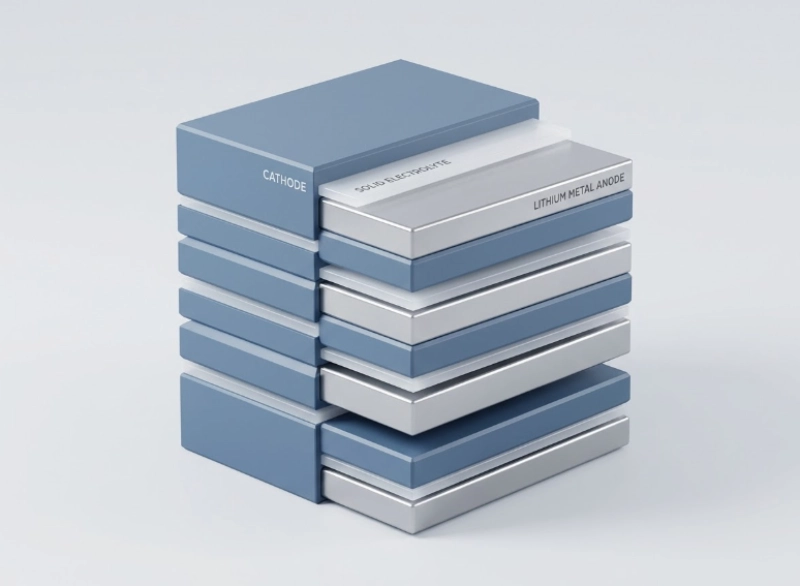
By replacing this liquid with a solid ion-conductive material, we unlock a completely new architectural paradigm. This is where the concept of the electrolyte in solid-state battery systems enters the picture, serving as both the ion conductor and the physical separator.
Defining the Solid Electrolyte
A solid electrolyte is a solid material capable of conducting inorganic ions (such as Li^+, Na^+, or K^+) at room temperature or elevated temperatures, while remaining electrically insulating to prevent short circuits.
Scientifically, these materials must possess high ionic conductivity (ideally matching or exceeding that of liquid solvents, around 10^-3 to 10^-2 S/cm) and high chemical/electrochemical stability against highly reactive electrode materials like lithium metal.
Categories of Solid Electrolytes
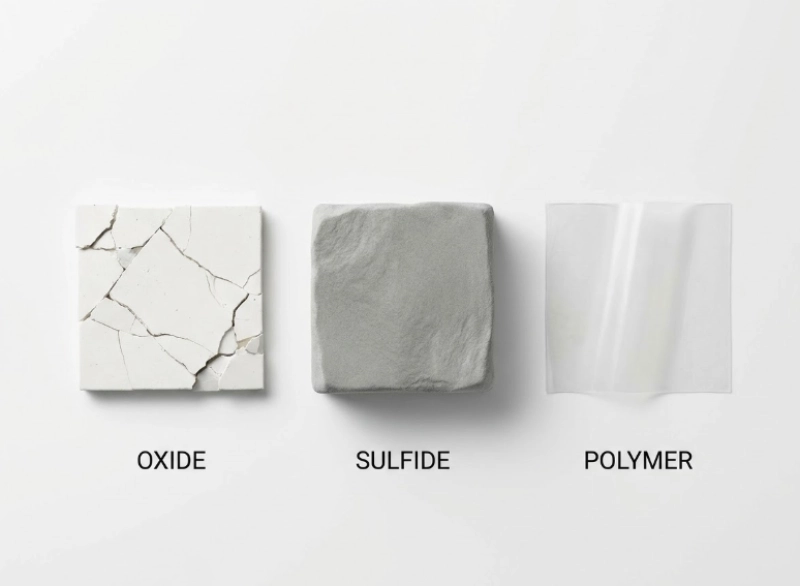
There are three primary categories of solid-state electrolyte materials, each with its own physical profile, manufacturing challenges, and commercial viability:
- Oxides (Ceramics): Examples include LLZO (Lithium Lanthanum Zirconium Oxide) and LATP. They boast exceptional electrochemical stability and safety, but are highly brittle and suffer from high interfacial resistance when paired with electrodes.
- Sulfides: Examples include LPS (Lithium Phosphorus Sulfur) glass-ceramics. Sulfides exhibit the highest ionic conductivity at room temperature and are relatively soft, allowing for better contact with electrodes. However, they are highly sensitive to moisture, releasing toxic hydrogen sulfide ($H_2S$) gas if exposed to ambient air.
- Polymers: Typically based on PEO (Polyethylene Oxide) complexes. They are flexible, easy to process using existing roll-to-roll manufacturing infrastructure, but suffer from low ionic conductivity at room temperature, requiring elevated operating temperatures (usually above 60°C).
Technology Comparison: Liquid vs. Solid State
To visually understand how these materials compare across key engineering metrics, the following matrix outlines the core performance indicators of traditional liquid lithium-ion technology versus the incoming solid-state alternative.
| Electrolyte Phase | Liquid (Organic Solvents) | Solid (Ceramic, Sulfide, or Polymer) |
| Separator Needed | Yes (Polymer Membrane) | No (Solid electrolyte acts as separator) |
| Anode Material | Graphite or Silicon-Graphite | Lithium Metal (Ideally) |
| Risk of Thermal Runaway | High (Flammable organic solvents) | Extremely Low (Non-flammable solid barrier) |
| Volumetric Energy Density | ~250–700 Wh/L | ~800–1,100+ Wh/L |
| Operating Temperature Range | Narrow (-20°C to 60°C) | Broad (-40°C to 120°C+) |
| Fast Charging Capability | Moderate (Risk of lithium plating/dendrites) | High (Resistant to dendrites under optimal pressure) |
| Manufacturing Complexity | Standardized, Highly Optimized | High (Requires dry rooms, precise sintering/stacking) |
Key Solid Electrolyte Advantages
The transition away from liquid systems is not merely an incremental upgrade; it is a fundamental shift in energy physics. The primary solid electrolyte advantages can be categorized into four pillars: Safety, Energy Density, Longevity, and Environmental Adaptability.
A. Paradigm-Shifting Safety
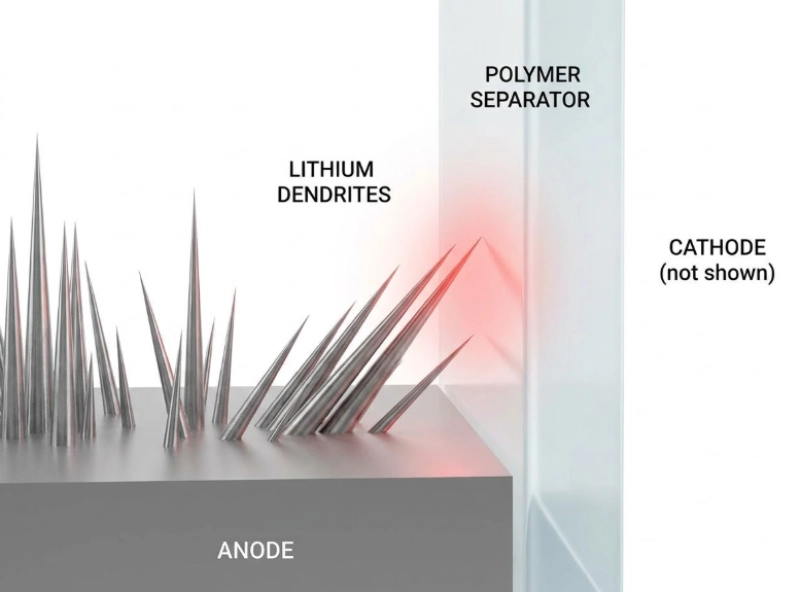
In traditional batteries, extreme fast-charging or mechanical stress can cause “lithium dendrites”—tiny, needle-like structures of lithium metal that grow from the anode. If these dendrites pierce the plastic separator and reach the cathode, a short circuit occurs, leading to rapid heating and fire.
A robust solid-state layer physically blocks dendrite penetration, eliminating the risk of internal short circuits. Furthermore, because solid-state materials do not contain volatile organic solvents, they are fundamentally non-flammable. This eliminates the need for heavy, complex active liquid cooling systems in battery packs, reducing weight and cost at the system level.
B. Unlocking Ultra-High Energy Density
By utilizing a solid barrier, engineers can replace standard graphite anodes with pure lithium metal anodes. Lithium metal has a theoretical specific capacity of 3,860 mAh/g, compared to graphite’s 372 mAh/g.
Because the solid layer is incredibly thin and serves a dual purpose as both the ion gateway and the separator, the cells can be stacked closely in bipolar configurations. This yields a massive increase in volumetric energy density, enabling electric vehicles to potentially double their range within the same physical footprint.
C. Superior Cycle Life and Degradation Resistance
Liquid solvents degrade over time due to side reactions with the active electrode materials, forming a Solid Electrolyte Interphase (SEI) layer that continually consumes active lithium.
A chemically stable solid matrix experiences minimal side reactions, preserving lithium inventory and allowing the battery to endure thousands of charge-discharge cycles with minimal capacity fade. This paves the way for vehicles and electronics that can last for decades without requiring battery replacements.
D. Extreme Thermal Tolerance
Solid materials do not freeze or vaporize. A solid-state cell can operate reliably in sub-zero arctic climates as well as high-temperature industrial environments. This expands the utility of energy storage systems to aerospace applications, deep-well drilling equipment, and military defense hardware without requiring auxiliary heating or cooling units.
Integrating the Electrolyte in Solid-State Battery Systems: Engineering Challenges
While the theoretical benefits are undeniable, translating these materials from a cleanroom laboratory to a gigafactory assembly line presents significant engineering hurdles.
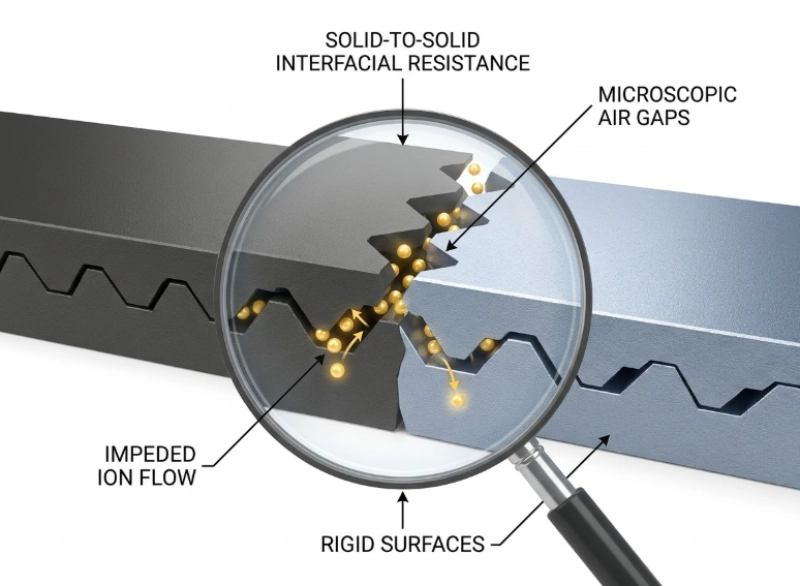
Solid-to-Solid Interfacial Resistance
In a liquid battery, the liquid wets the porous electrode surfaces completely, ensuring perfect contact. In a solid system, pressing two solids together (the electrode and the electrolyte) leaves microscopic air gaps. This solid-solid interface creates high electrical resistance, impeding the flow of lithium ions. Solving this requires applying high external pressure to the battery pack or developing ultra-soft sulfide interfaces that can deform and bond under moderate pressures.
Volume Expansion and Contraction
During charging and discharging, lithium ions move out of the cathode and deposit onto the anode. When using a lithium metal anode, this causes localized volume changes (the anode expands and contracts dynamically). This continuous “breathing” can cause the solid layers to delaminate or crack over time. Engineers must design elastic binders or apply external mechanical spring pressure to keep the internal interfaces compressed and intact throughout the battery’s lifespan.
Scalability and Manufacturing Costs
Most current solid-state cell fabrication methods require specialized environments. For instance, sulfide-based systems must be processed in ultra-dry argon gas environments to prevent the formation of toxic hydrogen sulfide gas. Sintering ceramics requires high temperatures, which is incredibly energy-intensive. Scaling these processes to match the cost-efficiency of modern roll-to-roll liquid battery production is the primary hurdle for commercialization.
Real-World Applications and Commercialization Timeline
The impact of this technology will ripple across multiple multi-billion-dollar industries.
Electric Vehicles (EVs)
Automakers like Toyota, Nissan, BMW, and Volkswagen (via QuantumScape) are investing billions into solid-state research. A reliable solid electrolyte battery could enable EVs to achieve a range of over 1,000 kilometers on a single charge, with recharge times dropping to under 10 minutes—essentially matching the refueling experience of an internal combustion engine vehicle.
Consumer Electronics
Smartphones, smartwatches, and medical implants will benefit from vastly improved safety and longer runtimes. The non-flammable nature of these batteries makes them ideal for medical devices operating inside the human body or wearables worn directly against the skin.
Aviation and Aerospace
Urban Air Mobility (UAM), electric vertical takeoff and landing (eVTOL) aircraft, and satellites require ultra-lightweight batteries with maximum energy density. Solid-state technology could finally make regional electric flight commercially viable by providing the necessary power-to-weight ratio.
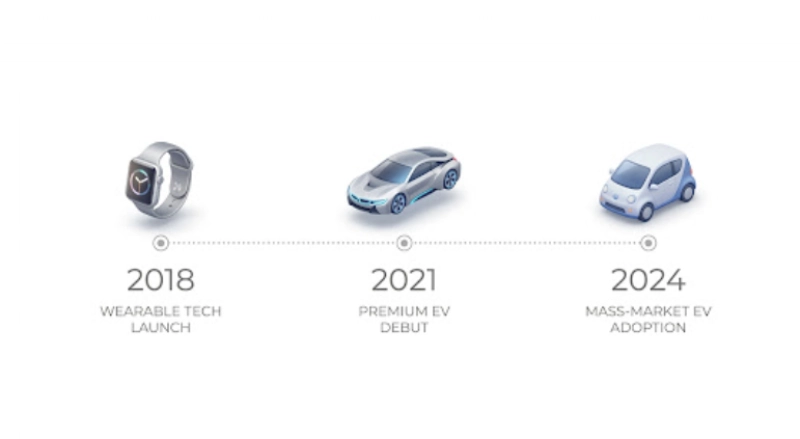
Commercialization Roadmap
- 2024–2026: Small-scale pilot production, primarily focusing on consumer wearables and niche military/aerospace applications where cost is secondary to performance.
- 2027–2030: Early-stage automotive integration. Premium electric vehicles will begin adopting solid-state packs as manufacturing yields improve.
- 2030 and Beyond: Mass-market adoption. As production scales and costs fall toward the $100/kWh threshold, solid-state systems will begin displacing liquid lithium-ion as the global industry standard.
Conclusion
The solid electrolyte is not just a replacement component; it is the catalyst for an energy revolution. By eliminating the risks of flammability, unlocking the potential of lithium metal anodes, and expanding operating temperatures, solid-state chemistry stands as the definitive future of energy storage.
While manufacturing and interfacial challenges remain, the massive influx of global capital and engineering talent ensures that the transition from liquid to solid is a matter of “when,” not “if.” As we stand on the cusp of this commercial breakthrough, understanding these materials and their incredible advantages is essential for staying ahead in a rapidly electrifying world.
PrismMark Solid State Battery
FAQ
1. Why are solid-state batteries safer than traditional lithium-ion batteries?
Traditional lithium-ion batteries use a liquid organic solvent as their electrolyte, which is highly volatile and flammable under extreme heat or mechanical damage. Solid-state batteries replace this flammable liquid with a solid ceramic, polymer, or sulfide material. This solid layer is fundamentally non-flammable, eliminates the risk of leaks, and acts as a physical barrier that prevents the growth of lithium dendrites, which are the leading cause of internal short circuits and battery fires.
2. When will solid-state batteries be available in affordable electric vehicles?
While premium pilot-phase electric vehicles utilizing solid-state technology are expected to enter the market around 2027–2028, mass-market affordability is projected for 2030 and beyond. The delay is primarily due to the high cost of manufacturing and the need to scale up specialized production environments (such as ultra-dry rooms for sulfide materials) to achieve the economies of scale enjoyed by traditional liquid-based gigafactories.
3. Can solid-state batteries charge faster than current liquid-based batteries?
Yes, they have the potential to charge significantly faster. Traditional batteries are limited during fast charging because high currents can cause lithium ions to deposit unevenly on the anode, forming dangerous dendrites. Because a solid barrier physically blocks dendrite growth and tolerates much higher temperatures without degrading, solid-state cells can handle rapid energy transfers, potentially allowing electric vehicles to charge to 80% capacity in under 10 minutes.